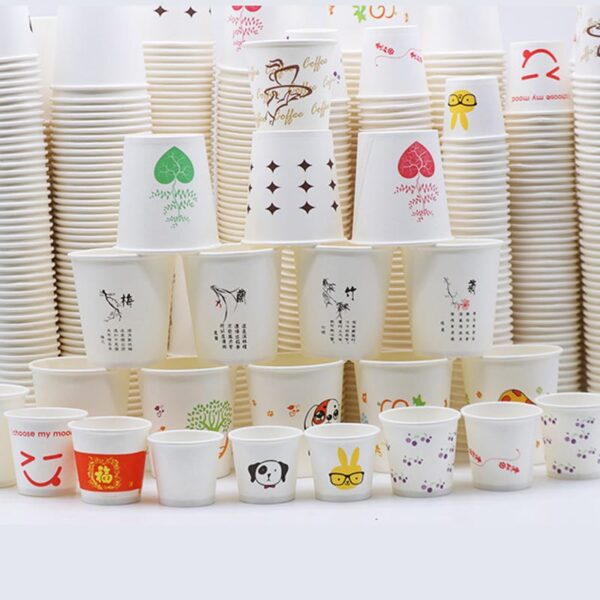
The global rise in takeaway and to-go food culture has reshaped how restaurants, cafés, and food vendors approach packaging. Once focused solely on convenience and cost, food packaging in 2025 must now deliver on sustainability, functionality, and brand identity. With growing awareness of environmental issues and increasing plastic bans, businesses are turning to eco-friendly disposable packaging to meet both regulatory and consumer expectations.
From biodegradable clamshells to compostable bowls and plant-based cups, eco-packaging is no longer a niche—it’s a strategic shift. In this article, we explore five transformative ways sustainable takeaway packaging is redefining food delivery and why switching to options like bagasse, cornstarch, and kraft paper is the smartest move for the future.
The Rise of Takeout and To-Go Culture Post-Pandemic
The COVID-19 pandemic permanently changed global foodservice. Even in its aftermath, takeout, delivery, and to-go consumption remain at all-time highs. Platforms like Uber Eats, Glovo, and Bolt Food have made ordering meals easier than ever, but the surge in disposable packaging use has created significant environmental pressure.
Key trends shaping 2025 include:
Convenience-driven dining: Consumers prioritize speed, freshness, and cleanliness.
Environmental consciousness: 72% of millennials and Gen Z consumers prefer eco-packaged food.
Policy pressure: Over 60 countries now restrict single-use plastics, including takeaway containers and cups.
This shift has forced food businesses to rethink packaging not as an afterthought, but as an extension of their brand—and their environmental values.
1. Better Heat Retention with Bagasse Clamshell Containers
Problem:
Traditional plastic or foam containers lose heat quickly and often warp or leak under hot, oily foods. Customers complain of soggy meals and unpleasant packaging odors.
Solution:
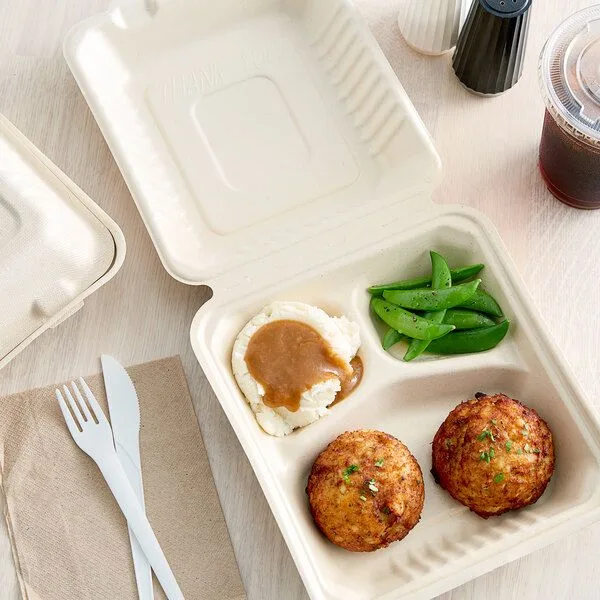
Bagasse clamshell containers—made from sugarcane fiber—are a game-changer. They offer:
Superior thermal insulation
Sturdy, oil- and grease-resistant structure
Compostable and microwave-safe material
Bioleader®’s line of bagasse takeaway boxes are ideal for rice bowls, grilled dishes, and curries. Whether you’re serving Nyama Choma in Kenya or tofu rice in California, these containers keep meals hot, leak-free, and plastic-free.
Pro Tip: Double-compartment and three-compartment bagasse trays are perfect for keeping side dishes separated without cross-contamination—ideal for bento-style or combo meals.
2. Zero-Leak Design for Soups and Curries with Cornstarch Bowls
Problem:
Liquid dishes like ramen, stew, or curry often leak during delivery. Standard paper bowls can’t handle heat and moisture for long without becoming soggy or collapsing.
Solution:
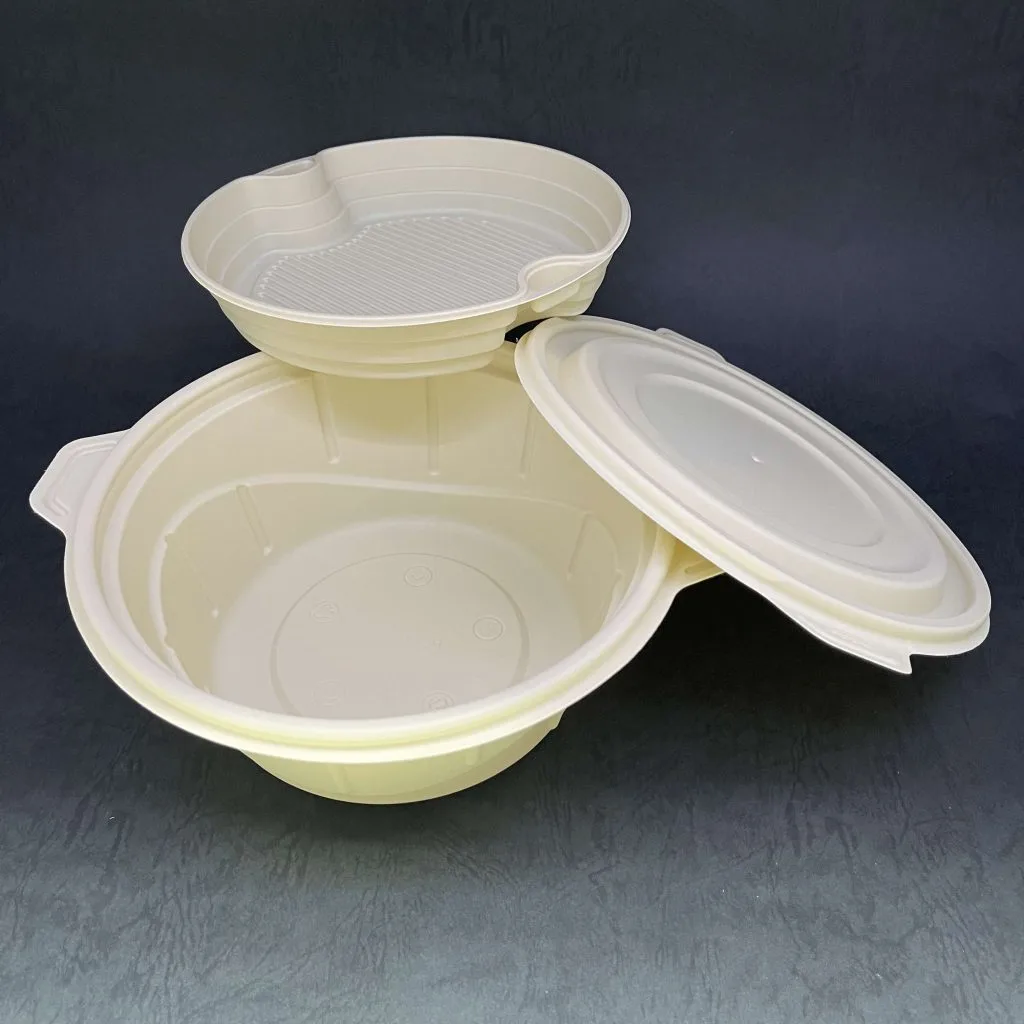
Cornstarch-based soup bowls are the ideal substitute. Derived from plant starch, these bowls offer:
Excellent heat resistance (up to 120°C)
Leak-proof sealed lids
100% biodegradable composition
Bioleader®’s cornstarch soup containers with snap-on lids are a staple for Asian noodle houses, Indian curry shops, and vegan soup brands. Unlike plastic-lined paper bowls, they degrade naturally without leaving microplastics behind.
Did You Know?
can decompose in 90–120 days under composting conditions, making them an excellent choice for businesses aiming to meet “zero waste” goals.
3. Brand-Friendly Kraft Paper Bowls for Premium Takeaway
Problem:
Premium food deserves premium packaging. But many upscale eateries still use generic plastic containers that dilute their brand image and alienate eco-conscious consumers.
Solution:
Kraft paper bowls deliver elegance and environmental value in one sleek package. Made from FSC-certified materials and coated with biodegradable PLA, they provide:
Natural, organic appearance
Logo printing and brand customization
Sturdy leak-proof options with PP-free lids
From gourmet salad bars to organic poke shops, kraft paper packaging supports a clean, ethical image that aligns with customer values. Bioleader® offers both round and square kraft bowls in sizes from 500ml to 1300ml—perfect for everything from leafy greens to protein-heavy meal preps.
Case Insight: A Scandinavian salad chain saw a 22% increase in Instagram mentions after switching from plastic to kraft bowls with printed logos. Packaging became a brand asset, not just a cost.
|
|


4. Compostable Cups for To-Go Drinks and Bubble Tea
Problem:
Plastic cups are among the most visible pollutants in urban environments. Most are not recycled, especially those with plastic lids and straws.
Solution:
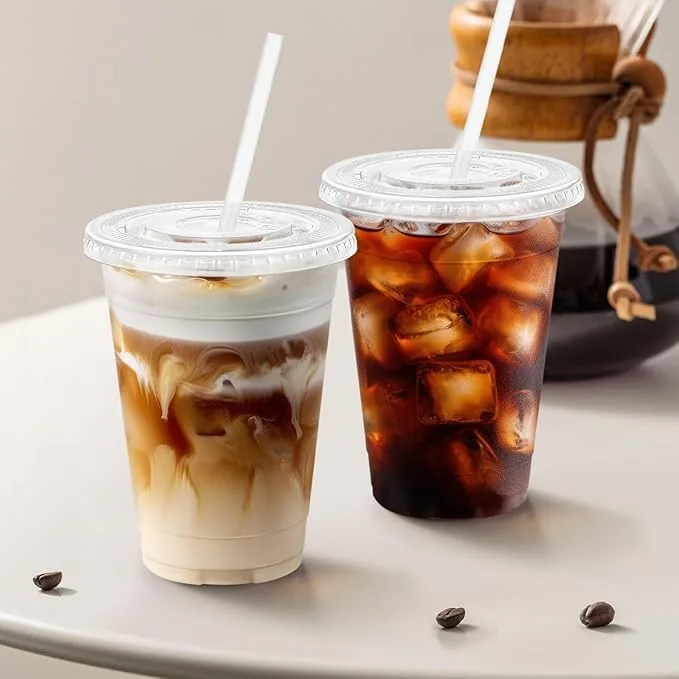
Compostable PLA cups and plant-based lids are now widely adopted by drink shops and cafés. Bioleader®’s cups:
Are made from plant-derived polylactic acid
Offer clear, stylish presentation for juices, smoothies, and iced teas
Can be paired with paper straws or PLA straws for a fully compostable solution
Sizes range from 8oz to 24oz, covering espresso to bubble tea. The cups can also be customized with your brand’s logo and environmental certifications, reinforcing your commitment to sustainability.
Pro Tip: Combine your PLA cups with kraft cup sleeves or compostable lids to ensure full compliance with anti-plastic laws across Europe, the U.S., and parts of Africa.
5. Simplified Sorting for Waste Reduction and Customer Trust
Problem:
Most customers don’t know how to dispose of multi-material packaging. Containers with plastic lining, foam cores, or hidden layers are hard to sort, often ending up in landfills even if partially recyclable.
Solution:
Using single-material, compostable packaging like bagasse, cornstarch, and kraft simplifies disposal and improves sorting at both home and municipal levels.
Bioleader® products are:
Labeled with clear disposal instructions
PFAS-free, ensuring safe compost breakdown
Certified under EN13432, ASTM D6400, and OK Compost
Businesses that provide simple, clearly labeled eco-packaging build consumer trust. In fact, 64% of consumers say clear eco-labeling influences their purchasing decision.
Suggestion: Add QR codes on your containers that link to a branded “How to Compost This” page. Educate customers while building loyalty.
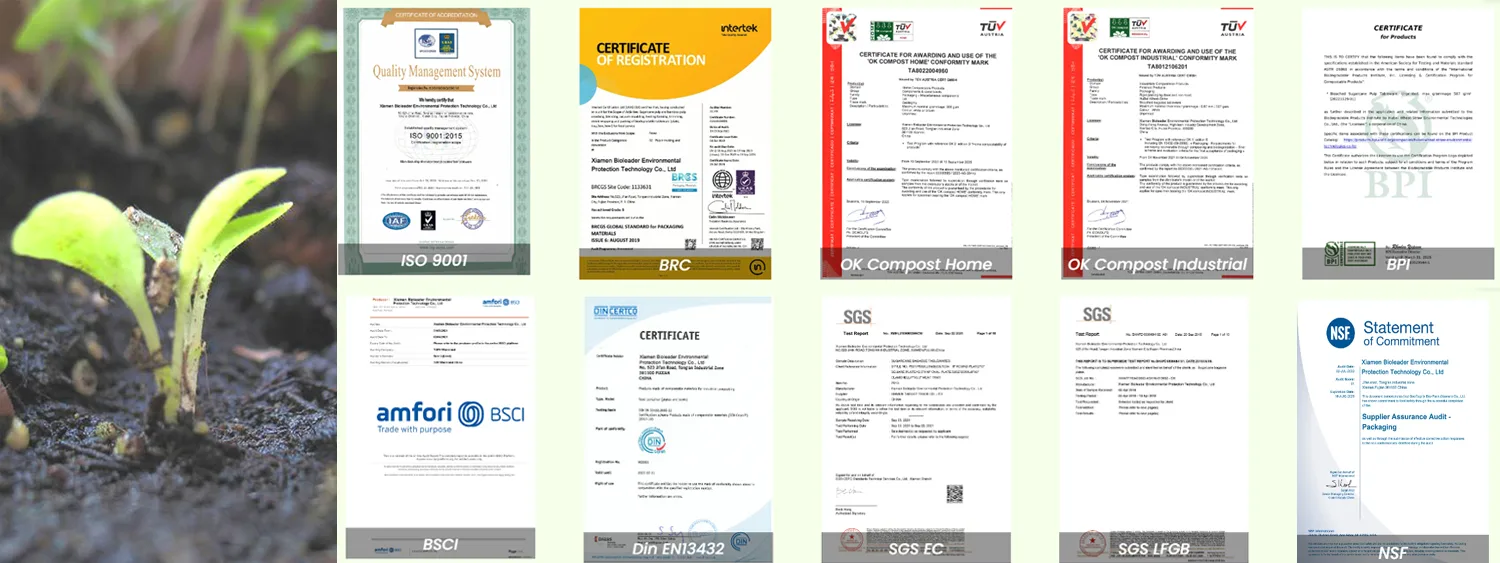
Bioleader®: One Supplier, Many Solutions
Bioleader® is at the forefront of sustainable food packaging innovation. Our products include:
Cornstarch food containers and bowls
Kraft paper salad bowls and soup cups
PLA cold drink cups and compostable lids
We serve restaurants, hotels, catering businesses, and delivery platforms around the globe with certified, customizable, and export-ready solutions.
Whether you’re looking to meet government regulations, reduce plastic pollution, or simply enhance your customer experience, our team is here to help.
👉 Private label, OEM, and B2B wholesale available. Contact us to start your compostable packaging journey.
FAQ
1. What is the most eco-friendly takeaway packaging in 2025?
The most eco-friendly takeaway packaging in 2025 includes bagasse clamshells, cornstarch bowls, and kraft paper containers, all of which are compostable, PFAS-free, and made from renewable resources.
2. Are bagasse food containers suitable for hot takeout meals?
Yes. Bagasse containers are heat-resistant, microwave-safe, and oil-proof, making them ideal for hot dishes like rice, meat, or curries in takeaway and to-go settings.
3. What is the difference between compostable and biodegradable takeaway boxes?
Compostable containers break down fully into non-toxic compost within a set time under specific conditions. Biodegradable products may take longer and don’t always leave safe, soil-enriching material.
4. Can cornstarch bowls handle soups and liquids for delivery?
Absolutely. Cornstarch bowls are designed to hold hot soups, sauces, and stews without leaking, warping, or releasing toxins, making them perfect for takeout and food delivery.
5. Why are kraft paper bowls better than plastic bowls for food packaging?
Kraft paper bowls are made from FSC-certified paper, lined with biodegradable materials, and fully customizable—offering a sustainable, brand-friendly alternative to plastic.
6. What certifications should I look for in eco-friendly disposable containers?
Look for certifications like BPI, EN13432, ASTM D6400, OK Compost, and FDA food-grade approvals to ensure safety and sustainability.
7. How can I buy compostable takeaway containers in bulk?
You can source certified compostable food containers directly from manufacturers like Bioleader®, who offer wholesale, OEM, and private label solutions for global delivery.
Conclusion: To-Go Packaging Is No Longer Optional—It’s Strategic
Takeaway and to-go meals are here to stay—but plastic packaging is not. As regulations tighten and consumers become more environmentally aware, food businesses need packaging that works as hard as they do.
Eco-friendly takeaway packaging isn’t just about compliance—it’s about connection. It connects brands to values, consumers to responsible choices, and food to a cleaner planet.
By switching to bagasse containers, cornstarch bowls, kraft paper cups, and compostable drinkware, restaurants can elevate their image, reduce waste, and build trust with every delivery.
In 2025 and beyond, the smartest packaging isn’t just disposable—it’s biodegradable, beautiful, and brandable.
References
UNEP (United Nations Environment Programme)
Single-Use Plastics: A Roadmap for Sustainability
https://www.unep.org/resources/report/single-use-plastics-roadmap-sustainabilityStatista Research Department
Online Food Delivery – Global Market Trends and Forecasts 2025
https://www.statista.com/topics/6082/online-food-delivery-worldwide/McKinsey & Company
The Future of Sustainable Packaging: What Businesses Need to Know
https://www.mckinsey.com/industries/paper-forest-products-and-packaging/our-insightsBioleader® Official Website
Sustainable Bagasse, Cornstarch, and Kraft Packaging Products
https://www.bioleaderpack.comScienceDirect
Environmental performance of biodegradable food packaging: A comparative review
https://www.sciencedirect.com/science/article/pii/S0959652620323893Packaging Digest
How Compostable Packaging Meets Consumer Demand and Policy Shifts
https://www.packagingdigest.com/sustainable-packagingEcoBusiness
Asia’s Shift to Eco-Friendly Packaging: What’s Leading the Trend
https://www.eco-business.com/news