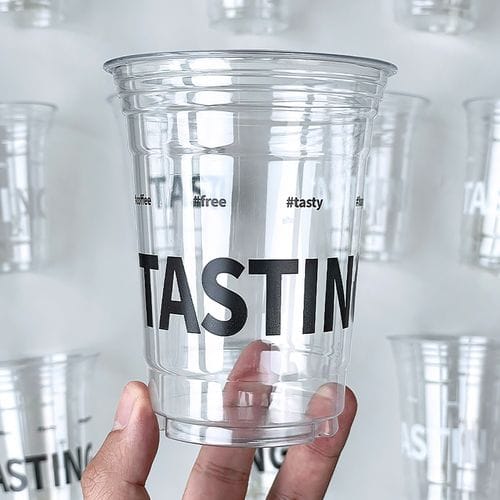
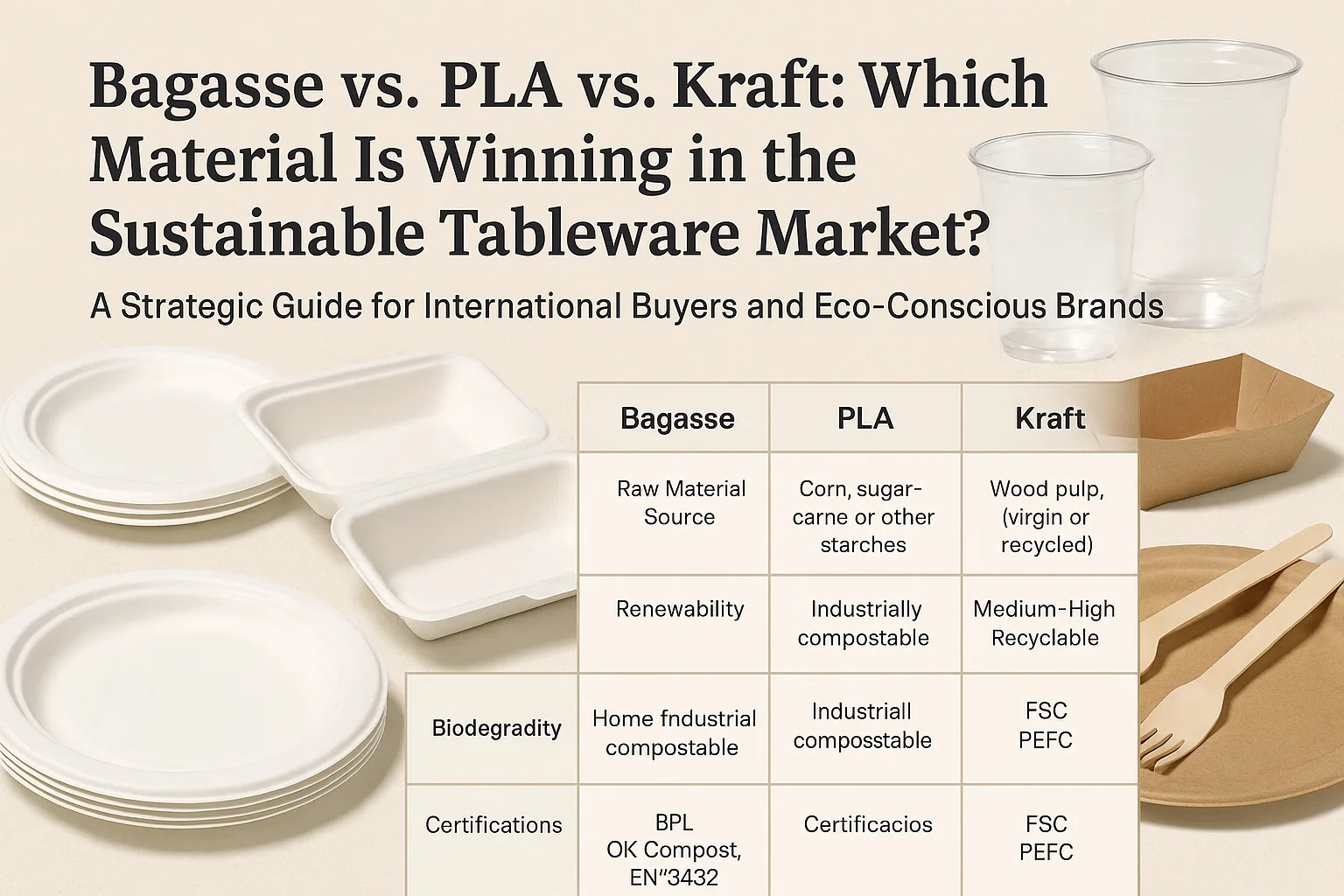
Take out boxes, also known as to go containers or disposable food containers, have become integral to modern dining experiences. From restaurants offering quick meals to consumers enjoying food on-the-go, understanding the types, safety, and implications of using these containers is crucial. This comprehensive article will answer five common questions about take out food containers, including insights on popular sustainable options such as bagasse, corn starch, and kraft paper containers.
The Importance of Understanding Take Out Containers
Disposable food storage containers are widely used due to their convenience, affordability, and versatility. Restaurants rely on various types of to go boxes to maintain food freshness, hygiene, and enhance customer experience. However, their widespread use raises concerns about safety, health impacts, and environmental sustainability. Today, sustainable alternatives like bagasse (sugarcane fiber), corn starch, and kraft paper containers have gained popularity due to their eco-friendly attributes.

1. What are Chinese take-out boxes called?
Chinese take-out boxes, officially known as oyster pails, originated in America and were initially designed for transporting oysters. These disposable food containers feature folded paperboard often waxed or coated to prevent leaks.
Key features:
- Foldable and compact design
- Wire handles for convenient carrying
- Typically recyclable depending on local regulations
Today, oyster pails are globally recognized as iconic symbols of Chinese-American takeout culture.
2. What is an open container called?
Open containers are disposable food containers without lids, known as food trays, open trays, or food boats. Ideal for immediate food consumption, these are commonly utilized by fast food and street vendors.
Common types:
- Paper boats for snacks like fries
- Plastic or compostable salad bowls
- Kraft paper trays
Open containers provide easy access to food but lack protection against contamination and spills, suitable primarily for quick service environments.
3. Are take out containers safe to use?
The safety of disposable food storage containers depends largely on the materials used and their compliance with food safety standards. Many restaurant containers are FDA-approved, ensuring minimal risk of chemical contamination.
Safety considerations:
- Verify containers are BPA-free
- Check if microwave-safe
- Look for certifications like FDA or BPI (Biodegradable Products Institute)
Proper labeling and certification significantly minimize health risks associated with chemical leaching and contamination.
4. Are black plastic take out containers safe?
Black plastic food containers with lids are popular but raise specific safety and recycling concerns.
Issues to consider:
- Risk of chemical leaching, especially when heated
- Difficulty recycling due to black pigment hindering sorting processes
Experts suggest using these containers only for cold food storage and avoiding heating unless marked as microwave-safe.
5. What does BPA do to the body?
Bisphenol A (BPA) is commonly found in certain plastics, presenting health concerns linked to exposure.
Health impacts of BPA:
- Hormonal disruptions and endocrine issues
- Increased risk of cardiovascular diseases
- Potential links to cancers and reproductive health issues
Scientific studies strongly advise choosing BPA-free disposable containers to reduce these health risks.
Sustainable Alternatives: Bagasse, Corn Starch, and Kraft Paper Containers
Sustainable alternatives are rapidly gaining market share as restaurants and consumers prefer eco-friendly options. Here’s a comparative overview:
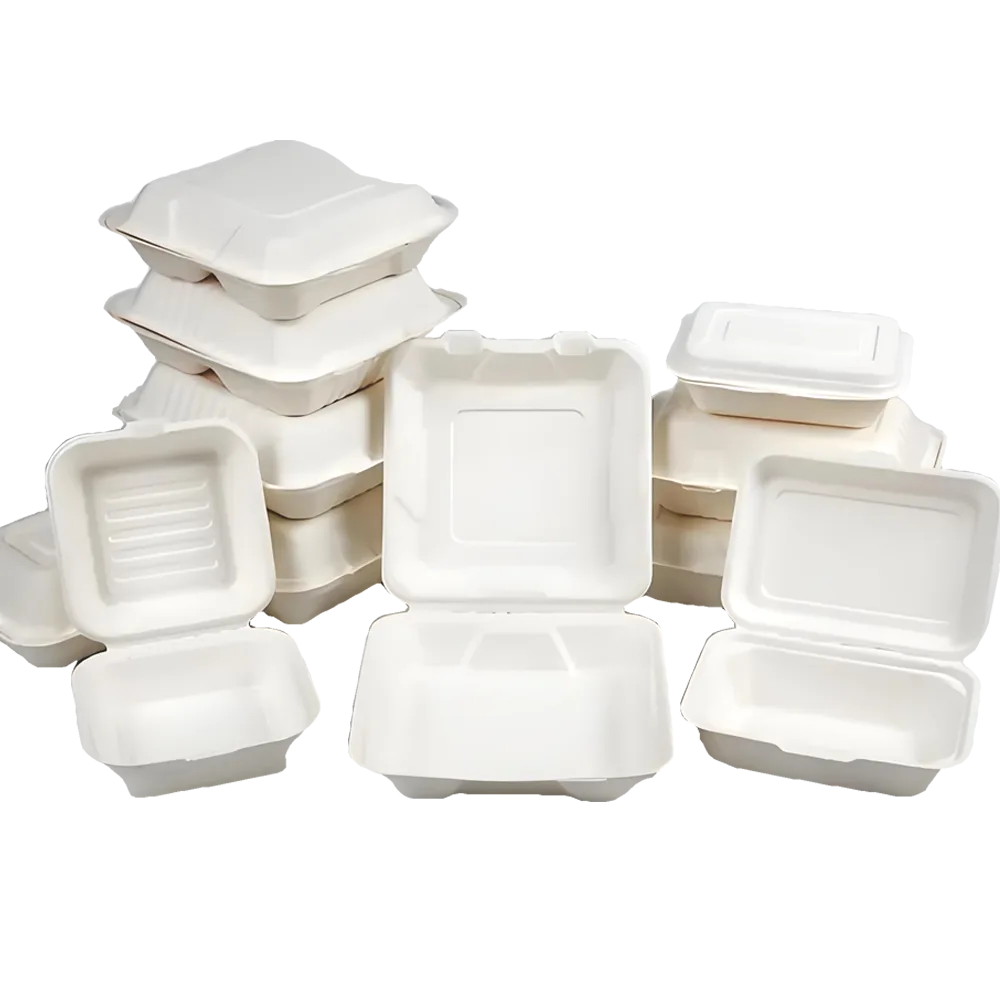
Bagasse Containers (Sugarcane Fiber):
- Completely biodegradable and compostable
- Durable and suitable for hot or cold foods
- Example: Bioleader’s bagasse food containers
Corn Starch Containers:
- Made from renewable resources
- Compostable under industrial composting conditions
- Popular for their clear appearance and strength

Kraft Paper Containers:
- Eco-friendly, recyclable, and compostable
- Ideal for hot food due to heat resistance
- Popular choice for soups, salads, and fried foods
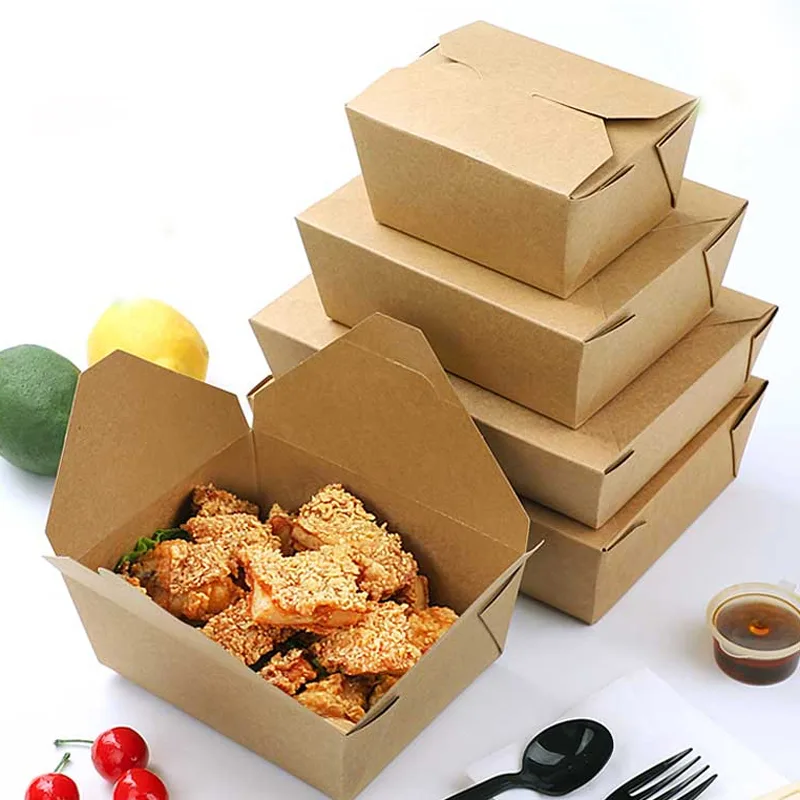
Table: Comparative Overview of Sustainable Containers
| Feature | Bagasse | Corn Starch | Kraft Paper |
|---|---|---|---|
| Biodegradability | Excellent | Good | Excellent |
| Heat Resistance | High | Moderate | High |
| Cost | Moderate | Higher | Affordable |
| Usage | Hot & Cold | Cold primarily | Hot & Cold |
Expert Insights, Industry Trends, and Case Studies
Experts in food packaging emphasize a noticeable industry shift toward sustainable and safe packaging materials. The FDA and EPA have published numerous studies supporting safer, eco-friendly food storage solutions.
Real-world examples:
- EcoDine: Successfully transitioned to compostable bagasse containers, improving customer perception and environmental impact.
- Bioleader: A reputable manufacturer from China, noted substantial growth in sales of their eco-friendly, BPA-free packaging solutions including bagasse and corn starch containers.
- GreenEat Café: Reported improved customer feedback and increased sales after switching to clearly labeled sustainable packaging.
According to scientific research by NIH, the adoption of BPA-free containers significantly reduces health risks, reinforcing the market trend toward safer, environmentally friendly packaging options.
FAQ
1. What are the most eco-friendly materials for take-out boxes?
Eco-friendly take-out boxes are often made from sugarcane bagasse, Kraft paper, cornstarch, or PLA-coated paperboard. These materials are biodegradable and compostable.
2. Can take-out boxes be used for both hot and cold food?
Yes, most high-quality take-out boxes are designed to handle a wide range of temperatures. Containers made from bagasse or coated paperboard are suitable for hot, oily, and cold foods.
3. Are take-out boxes microwave-safe?
Many modern take-out boxes are microwave-safe, especially those made from paper or bagasse. However, it’s important to avoid microwaving plastic or aluminum-lined containers unless labeled as microwave-friendly.
4. Do compostable take-out boxes require special disposal methods?
Compostable take-out boxes should ideally be disposed of in composting bins. While they can break down in home compost systems, industrial composting is faster and more effective.
5. What sizes do take-out food containers usually come in?
Take-out containers typically range from 8 oz snack boxes to 48 oz entrée-size clamshells. Options include single-compartment and multi-compartment designs for meal separation.
Conclusion
Understanding take out boxes and disposable food containers helps make informed decisions beneficial to health, safety, and the environment. From traditional oyster pails to innovative sustainable options like bagasse, corn starch, and kraft paper, choosing the right container plays a crucial role in promoting a healthier lifestyle and sustainable future.
References:
- FDA, “Food Contact Materials,” https://www.fda.gov
- Environmental Protection Agency, “Sustainable Packaging,” https://www.epa.gov
- National Institutes of Health, “BPA Risks,” https://www.nih.gov
- Wikipedia, “Oyster Pail,” https://en.wikipedia.org/wiki/Oyster_pail
- Harvard Health, “BPA Health Concerns,” https://www.health.harvard.edu
- Bioleader Environmental Packaging, https://www.bioleaderpack.com
- Plastics Industry Association, https://www.plasticsindustry.org
- EcoDine Sustainability Case, https://www.ecodine.com
- GreenEat Café Customer Reviews, https://www.greeneat.com
- EFSA, “Bisphenol A Assessment,” https://www.efsa.europa.eu