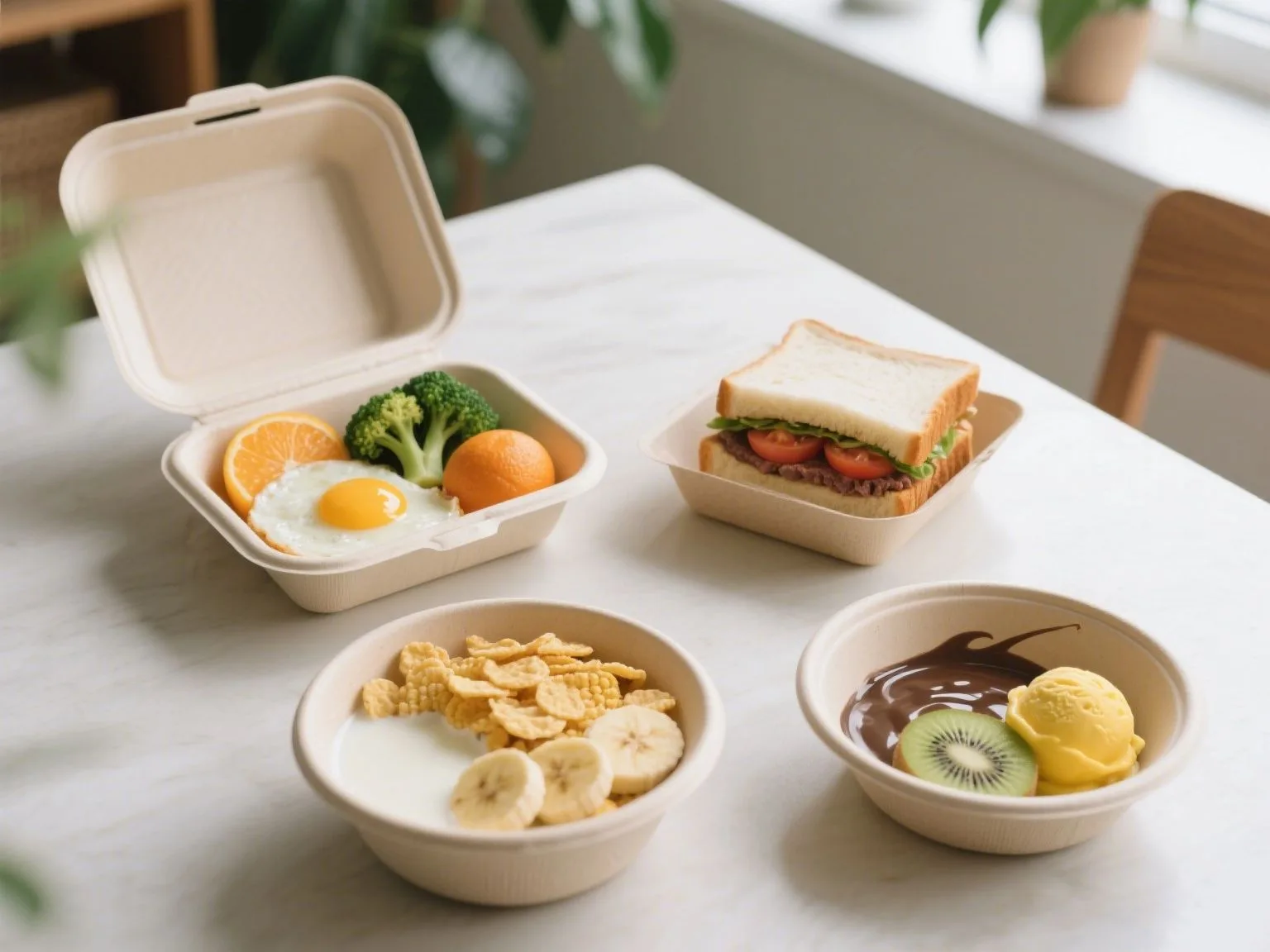
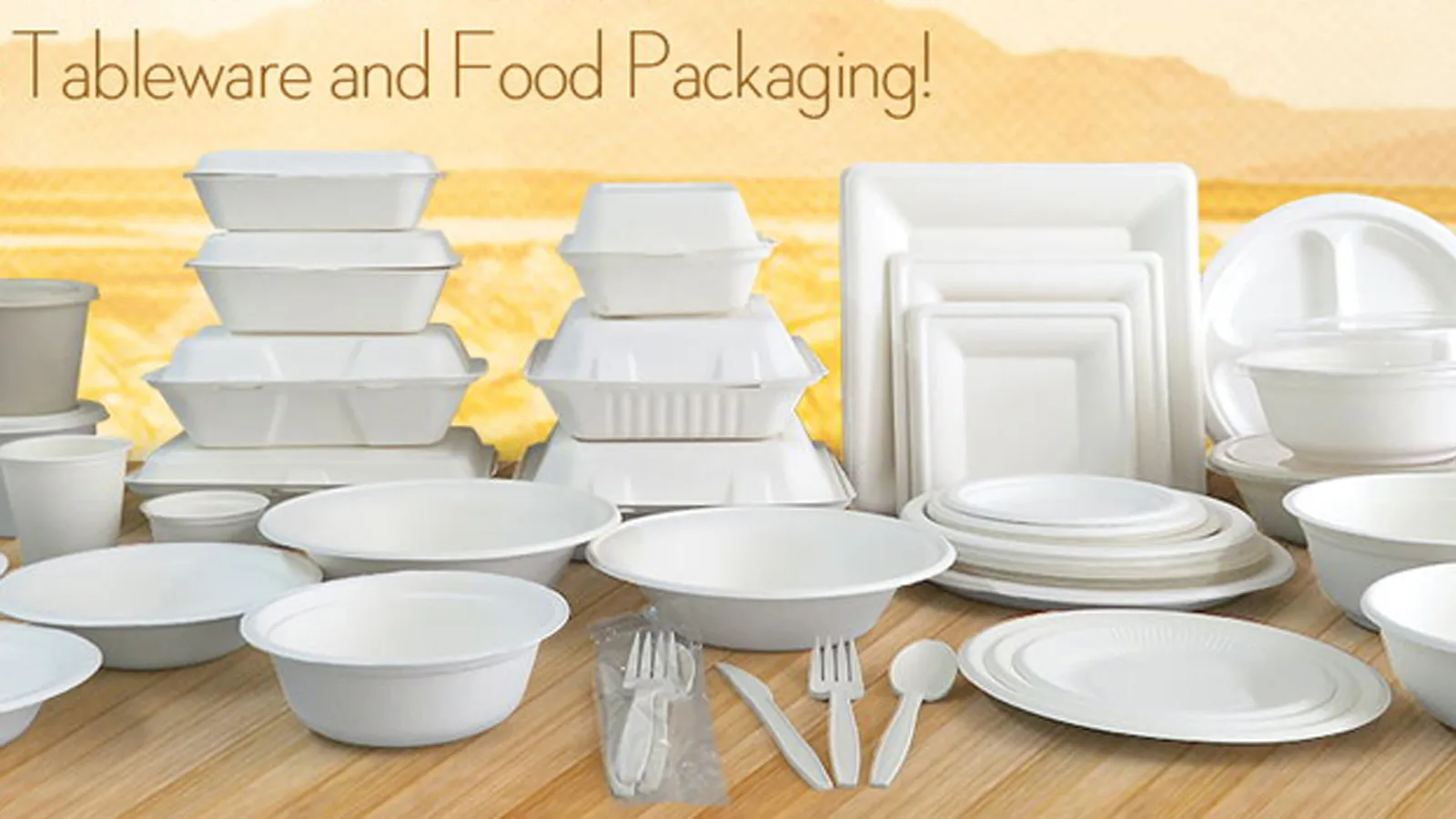
With rising global plastic bans and EPR mandates, buyers must scrutinize kraft bowl suppliers not just on price but on certifications, food safety, supply stability, and innovation. A 2025 survey shows the kraft packaging market is approaching $19B globally, driven by demand for compostable alternatives. Restaurants and brands should vet suppliers using a structured checklist—covering capacity, lining types (PE/PLA), certifications (EN 13432/ASTM D6400, PFAS-free), export readiness (EPR, compliance), and risk mitigation—to secure quality, compliance, and scalable supply.
As global packaging regulations tighten and consumers increasingly demand eco-friendly solutions, kraft paper bowls have emerged as a leading alternative to plastic and foam containers. They offer durability, food safety, and sustainability — but not all kraft bowl suppliers are created equal.
For purchasing managers, sourcing teams, and brand owners, selecting the right kraft paper bowl manufacturer is not just about price. It’s about securing a partner who can deliver consistent quality, comply with international certifications, and adapt to rapidly changing environmental laws.
This 2025 buying guide provides 30 crucial questions to ask any supplier before you place a bulk order. It also outlines market trends, compliance updates, cost drivers, and emerging product innovations to help you make a confident, future-proof choice.
Market Outlook and Industry Growth
Rising Global Demand
The kraft paper packaging sector continues to expand. In 2025, the global kraft paper market is projected to reach USD 18.7 billion, with a compound annual growth rate of approximately 4.2% expected through 2032. The broader paper packaging market is on track to hit USD 392.3 billion this year and expand to over USD 500 billion by 2032.
Drivers of growth include:
Government bans on single-use plastics
Extended Producer Responsibility (EPR) laws shifting disposal costs to brands
Rising consumer preference for recyclable and compostable food packaging
Growth of food delivery, quick-service restaurants, and catering services
Competitive Pressures
The rapid increase in demand has attracted new entrants to the market — but with varying levels of quality control, compliance, and manufacturing expertise. This makes thorough supplier evaluation more important than ever.
Regulatory Changes in 2025
Key Global Requirements
Extended Producer Responsibility (EPR): Brands must finance and manage end-of-life packaging recovery in regions such as the EU, Canada, parts of the US, and Asia-Pacific.
Recycled Content Mandates: Several jurisdictions require a minimum of 10% recycled fiber in packaging by 2025, increasing to 20% or more in the coming years.
Compostability Standards: EN13432 in Europe and ASTM D6400 in the US set the baseline for compostable packaging claims.
Chemical Restrictions: PFAS-free and heavy metal-free requirements are now common for food-contact packaging.
Buyer Implication: Your chosen supplier should not only meet current regulations but also demonstrate readiness for upcoming requirements — ensuring your packaging remains compliant in 2026 and beyond.
Bioleader® Kraft Paper Food Packaging Series
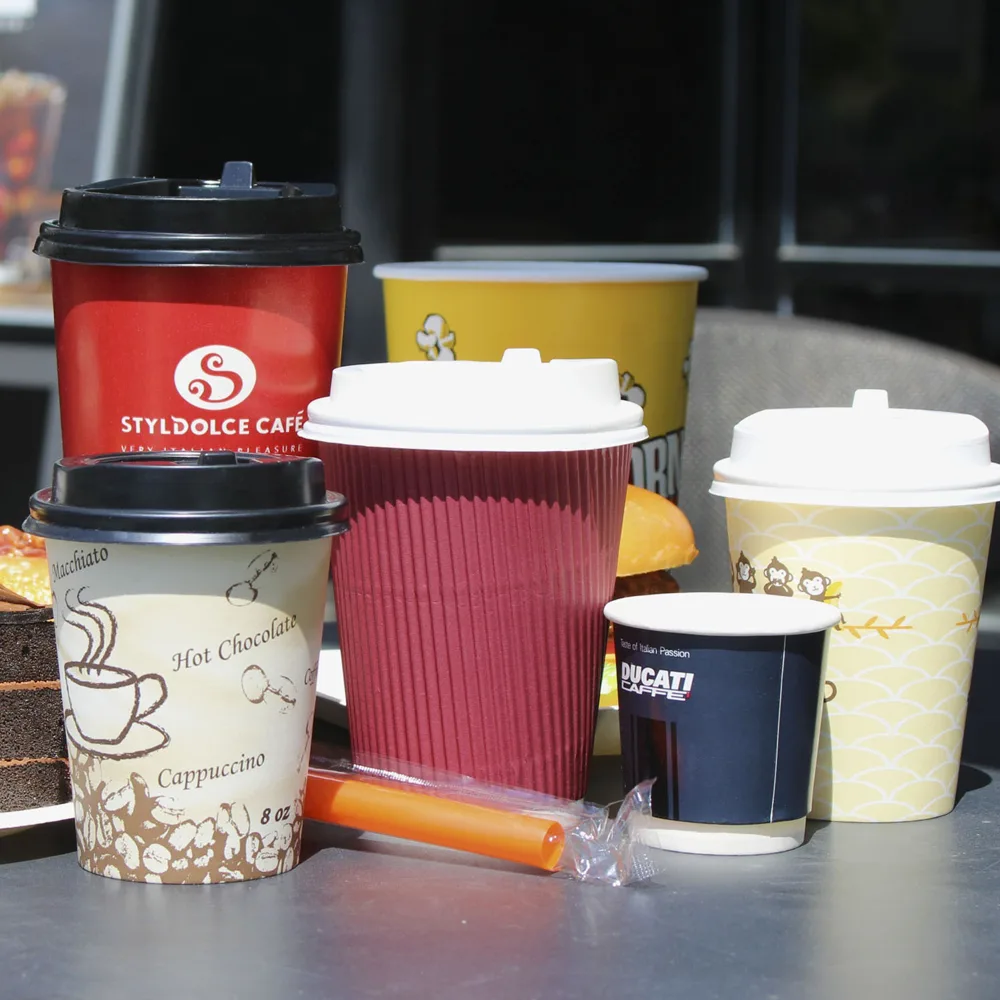
Our kraft paper food packaging range is designed to meet the needs of restaurants, cafés, catering services, and takeaway brands that prioritize sustainability without compromising functionality. This series includes Paper Cups, Paper Soup Bowls, Paper Salad Bowls, Paper Food Boxes, and Takeout Paper Bags — each offering unique advantages for different menu types.
Paper Cups
Best for: Hot and cold beverages, specialty coffee, tea, smoothies
Advantages:
Multiple sizes (4oz to 20oz) for portion flexibility
PE or PLA lining for leak prevention and heat resistance
Custom printing options for brand visibility
Compared to plastic cups: More eco-friendly, compostable with PLA lining, and provides a premium, natural look.
Paper Soup Bowls
Best for: Soups, stews, curries, pasta
Advantages:
High heat resistance (up to 100–120°C with PLA or PE lining)
Secure-fitting lids to prevent leaks during delivery
Sturdy structure for microwave reheating
Compared to foam bowls: Better heat retention, no harmful chemical release, and fully recyclable/compostable.

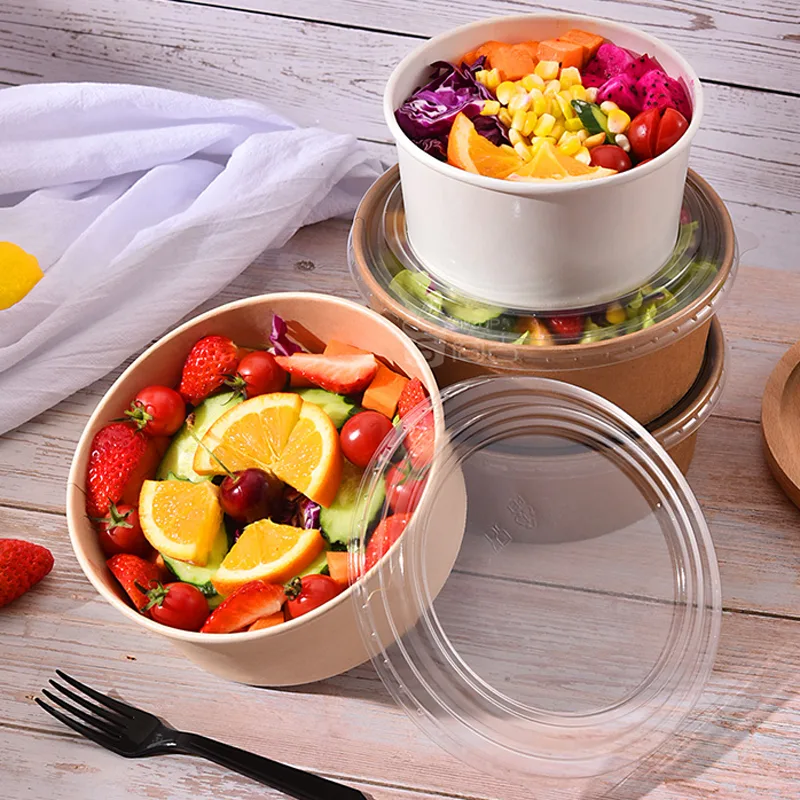
Paper Salad Bowls
Best for: Salads, poke bowls, cold pasta, grain bowls
Advantages:
Clear PET or PP anti-fog lids for attractive presentation
Grease-resistant coating to handle dressings and toppings
Stackable design for efficient storage
Compared to plastic salad containers: Reduced environmental footprint, customizable branding, and better perceived value for eco-conscious customers.
Paper Food Boxes
Best for: Burgers, fried chicken, rice meals, wraps
Advantages:
Vent holes to keep fried food crisp
Grease-resistant lining to prevent leaks
Multiple designs (clamshell, folding carton)
Compared to plastic clamshells: More sustainable, compliant with single-use plastic bans, and offers a natural, upscale appearance.

Takeout Paper Bags
Best for: Carrying multiple food containers, bakery items, groceries
Advantages:
Strong handles for heavy loads
Flat or gusseted designs for versatility
Recyclable and biodegradable
Compared to plastic bags: Avoids plastic waste, enhances brand image, and complies with bag bans in many markets.
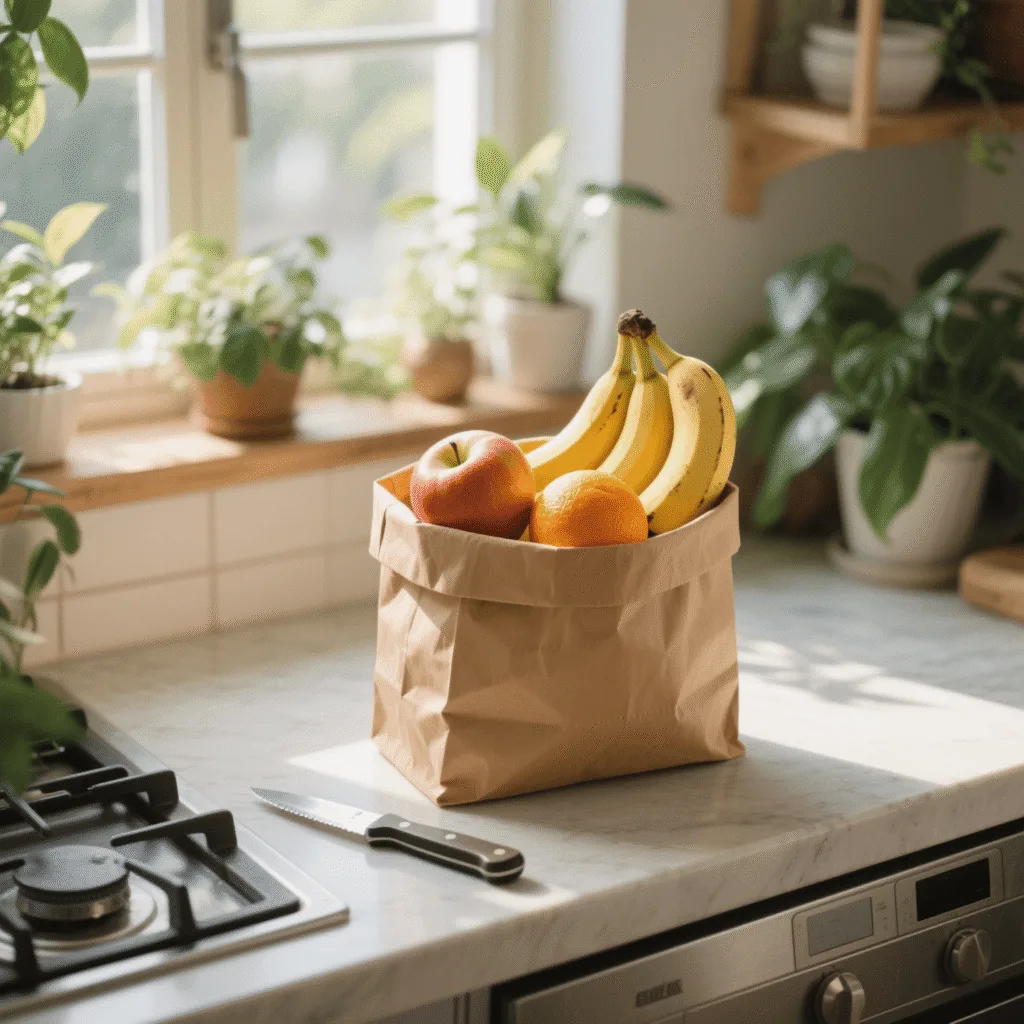
Why Choose Kraft Paper Over Other Materials?
Sustainability: Made from renewable resources, recyclable, and compostable with eco-friendly coatings.
Regulatory Compliance: Meets the requirements of markets with plastic bans and EPR laws.
Brand Positioning: Natural kraft texture signals quality and environmental responsibility.
Performance: Modern coatings provide leak resistance, grease protection, and microwave safety comparable to plastic alternatives.
Risks of Choosing the Wrong Supplier
Potential Consequences
Customs Rejection: Non-compliant packaging can be refused entry into regulated markets.
Brand Reputation Damage: Poor-quality packaging can leak, deform, or fail, leading to customer complaints.
Cost Overruns: Delays, rework, and replacement orders inflate procurement budgets.
Legal Liability: Mislabeling eco-claims can result in fines or litigation.
Preventive Strategy: A structured supplier vetting process, backed by a clear set of questions and documentation requirements.
The 30-Question Manufacturer Checklist
To cover all critical areas, questions are grouped into eight categories.
Company & Production Capacity
What is your monthly production capacity for kraft paper bowls?
What is your average lead time for bulk orders during peak season?
Which export markets do you currently serve?
Do you own your production facility or outsource manufacturing?
Can you provide references from buyers in similar markets?
Materials & Coatings
What is the base paper weight (GSM) for each size?
Is your paper FSC-certified or sourced from responsibly managed forests?
What lining options do you offer — PE, PLA, or aqueous coating?
What is the maximum heat resistance for each coating type?
Can you provide migration test reports for hot and oily foods?
Compliance & Certifications
Do your bowls have valid EN13432 or ASTM D6400 compostability certification?
Are FDA and LFGB food-contact safety reports available?
Are your products PFAS-free?
Do you meet EPR compliance requirements for targeted markets?
How do you monitor and renew certifications?
Structure & Lid Compatibility
Which lid types (PP, PET anti-fog, paper vented) fit your bowls?
Are your bowls stackable without losing lid seal integrity?
Have they passed drop and leak resistance tests?
Printing & Branding
What printing methods are available?
Do you use food-safe inks such as water-based or soy-based?
How do you ensure color consistency across batches?
Quality Systems
What AQL standard do you follow for quality inspections?
Do you have batch traceability?
How long do you retain production samples?
Packaging & Logistics
What are your standard carton sizes and packing configurations?
Can you supply palletization layouts for container loading?
Do you offer mixed-SKU or mixed-size carton options?
Commercial Terms
What are your FOB price tiers for different volumes?
What is your minimum order quantity (MOQ) and flexibility for initial orders?
What after-sales service do you provide?
Cost Breakdown: Understanding Price Drivers
When comparing quotes from different suppliers, remember that price per unit is influenced by:
Paper Grade: Heavier GSM and FSC certification add cost.
Coating Type: PLA and aqueous coatings are usually more expensive than PE but offer better compostability.
Printing Complexity: Full-color CMYK and custom designs increase setup costs.
Lid Material: PET anti-fog lids typically cost more than PP or paper lids.
Order Volume: Higher quantities reduce per-unit cost due to economies of scale.
Logistics: Packaging dimensions affect freight class and container load efficiency.
Pro Tip: Request a detailed quotation that breaks down material, printing, lid, and packaging costs separately.
Packaging Innovations in Kraft Paper Bowls
To stay competitive and compliant, many manufacturers now offer:
Dual-Purpose Lids: Suitable for both hot and cold foods.
Grease-Resistant Coatings Without PFAS: Meeting stricter chemical safety laws.
Stackable Designs: Optimizing storage and transportation.
Custom Embossing: Enhancing brand recognition without additional ink.
Lightweight Engineering: Reducing material use while maintaining strength.

Supplier Audit and Evaluation Process
Step 1: Pre-Qualification
Screen potential suppliers using public records, trade references, and online reviews.
Step 2: Documentation Review
Request certifications, product specs, and recent test reports.
Step 3: Sample Testing
Evaluate product samples for fit, finish, lid seal, and durability under real-world conditions.
Step 4: Facility Audit
Conduct on-site or virtual tours to inspect production lines, quality control processes, and storage facilities.
Step 5: Trial Order
Place a smaller order to assess lead time, consistency, and after-sales support before committing to large volumes.
Practical Tips for Buyers
Create a Scoring Matrix: Assign weights to factors such as compliance, cost, capacity, and customer service.
Align with Internal Stakeholders: Ensure marketing, sustainability, and logistics teams are aligned on requirements.
Plan for Seasonal Peaks: Discuss safety stock and lead time buffers well in advance.
Track Supplier Performance: Use KPIs such as defect rate, on-time delivery, and responsiveness.
Frequently Asked Buyer Questions
Q: What certifications should I check when sourcing kraft paper bowls?
A: Look for EN13432 or ASTM D6400 compostability certification, FDA or LFGB food-contact safety reports, and FSC certification for sustainable sourcing.
Q: How much recycled content is required in 2025?
A: Many regions require at least 10% recycled content in certain packaging categories, with planned increases in coming years.
Q: Are kraft paper bowls microwave-safe?
A: Most PLA- or PE-lined kraft bowls are safe for reheating at moderate temperatures; always confirm heat-resistance test results.
Q: What determines MOQ and pricing?
A: Volume, material, printing complexity, and lid selection all influence minimum order quantities and per-unit pricing.
Q: Can I standardize lids across multiple bowl sizes?
A: Many manufacturers design bowls to share lid diameters, reducing SKU complexity and costs.
Conclusion
Choosing the right kraft paper bowl manufacturer in 2025 means balancing cost, quality, compliance, and innovation. With rising market demand and evolving regulations, a supplier’s ability to deliver bulk kraft paper bowls with lids, maintain certification validity, and adapt to sustainability trends will directly impact your brand’s success.
By using this 30-question checklist, conducting thorough audits, and understanding cost drivers, you can build a supplier relationship that safeguards your supply chain and supports your business growth in the eco-friendly packaging market.
References
Wikipedia. “Kraft paper.” https://en.wikipedia.org/wiki/Kraft_paper
European Bioplastics. “Standards, Certification & Labels.” https://www.european-bioplastics.org/standards/certification/
Sustainable Packaging Coalition. “Extended Producer Responsibility (EPR) for Packaging.” https://sustainablepackaging.org/
Bioleader®. “The 2025 Global Plastic Ban Map: Which Countries Are Best for Exporting Eco-Friendly Tableware?” https://www.bioleaderpack.com/the-2025-global-plastic-ban-map-which-countries-are-best-for-exporting-eco-friendly-tableware/
ASTM International. “ASTM D6400 – Standard Specification for Labeling of Plastics Designed to be Aerobically Composted in Municipal or Industrial Facilities.” https://www.astm.org/d6400-21.html
Your Deep Dive: Key Buying Considerations for Kraft Paper Bowls
Market Context: The kraft paper packaging sector is projected to reach $18.7 billion in 2025, fueled by plastic restrictions, EPR laws, and growing demand for eco-friendly foodservice solutions.
What questions drive smart sourcing? Buyers should assess:
- Production & logistics: Monthly capacity, lead times, export track record, and ownership of manufacturing.
- Materials & coatings: Base paper GSM, FSC-certified sourcing, lining options (PE, PLA, aqueous), heat limits, and migration test reports.
- Certifications & compliance: EN 13432 or ASTM D6400 compostability, FDA/LFGB food safety, PFAS-free declaration, EPR coverage.
- Structural fit: Compatible lids (PP, PET, paper), stackability, durability tests.
- Printing & branding: Food-safe inks, color consistency across batches.
- Quality systems: AQL standards, batch traceability, sample retention.
- Packaging & logistics: Carton configurations, pallet layouts, mixed SKU packs.
- Commercial terms: FOB pricing tiers, MOQs, flexibility, and after-sales support.
Cost drivers include: Paper grade, coating choice, printing complexity, lids, order volume, and freight optimization. Innovations like grease-resistant coatings, stackable designs, embossing, and lightweight engineering further elevate brand differentiation.
Buyer evaluation strategy: Conduct pre-qualification, review compliance documentation, test samples, perform facility audits, and initiate trial orders. Use scoring matrices to rate suppliers on compliance, quality, price, and responsiveness to build reliable partnerships.