Plastic is out, and plants are in. As Kenya continues to lead Africa in anti-plastic legislation, a surprising shift is happening in its vibrant street food scene: local vendors are embracing cornstarch-based plates and cups. This article explores why Kenya’s bold plastic bans created the perfect opportunity for compostable tableware—and how cornstarch products are answering the call.
Kenya’s Bold Plastic Ban: What Changed Since 2017?
In 2017, Kenya stunned the world by enacting one of the strictest plastic bans globally, prohibiting the manufacture, sale, and use of plastic bags. Violations could lead to fines up to $38,000 or four years in prison. The law was expanded in 2020 to include single-use plastics in national parks, beaches, and conservation areas.
The impact? Plastic pollution has dropped visibly in cities like Nairobi and Mombasa. But with the ban came a new challenge: what materials can safely replace plastic in food packaging—especially for Kenya’s bustling street food culture?
The Plastic-Free Gap: What’s Still Missing?
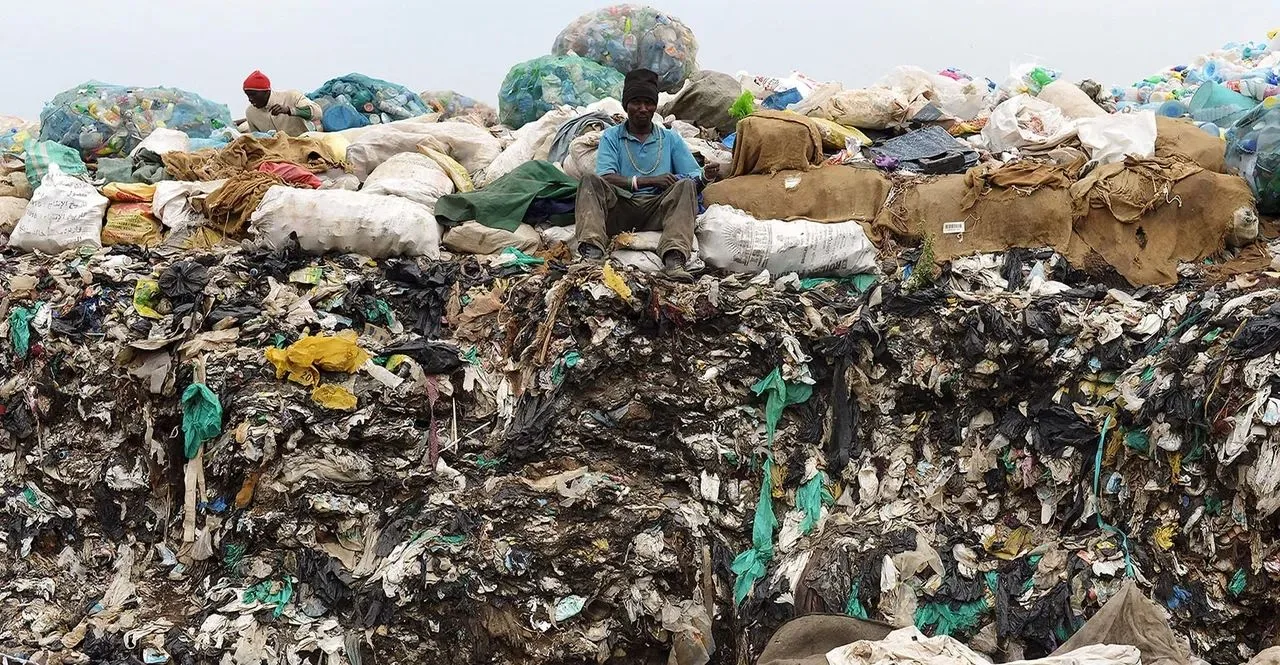
Despite progress, many vendors still rely on foam trays or plastic-lined paper, which are neither compostable nor heat-resistant. Some use aluminum foil or reusable plastic—options that are costly, wasteful, or inconvenient.
Here’s the dilemma:
Street vendors need affordable, strong, and food-safe packaging
Plastic is banned, and foam is disappearing
Traditional alternatives often fail under hot, greasy, or heavy foods
That’s where cornstarch tableware enters the picture.
Why Cornstarch Tableware Fits Kenya’s Eco Goals
Fully Biodegradable in Kenyan Climate
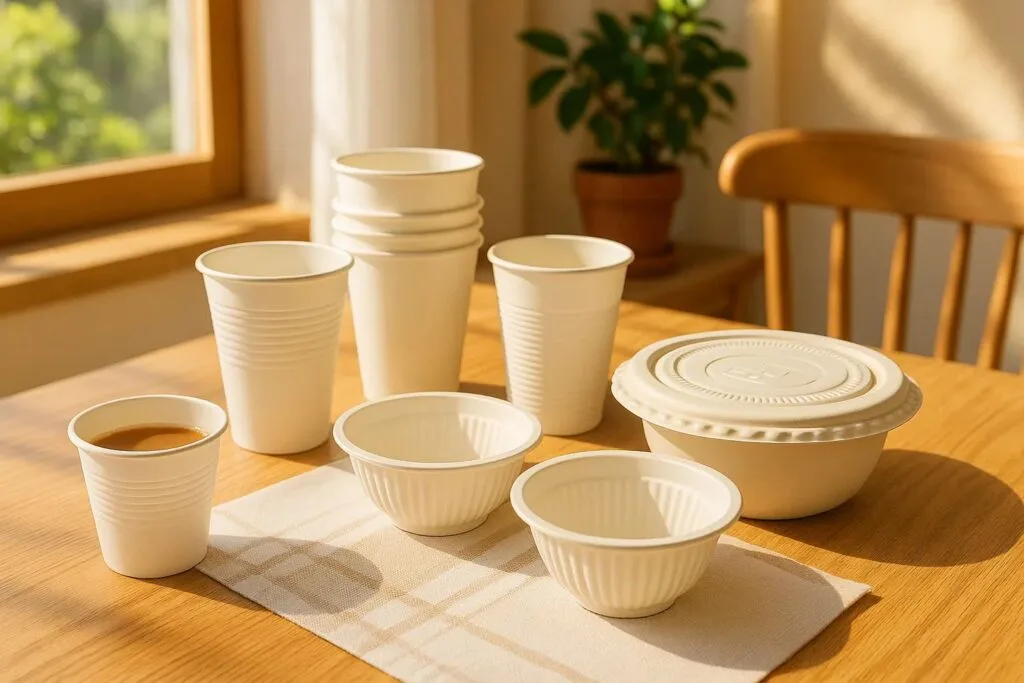
Cornstarch tableware is derived from renewable plant starch and fully compostable. In Kenya’s warm, humid climate, it breaks down in 60–90 days under industrial composting or managed home composting systems—leaving no toxic residue.
Strong Enough for Kenyan Cuisine
Kenya’s street food is hearty and flavorful. From Nyama Choma (grilled meat) to Githeri (beans and maize), vendors need containers that won’t collapse or leak. Cornstarch plates and bowls are:
Heat-resistant up to 120°C
Leak-proof for oily stews and thick porridge
Sturdy enough to hold full meals without bending
PFAS-Free, Food-Grade, and Safe
Unlike some paper alternatives, cornstarch plates and cups are PFAS-free, ensuring no “forever chemicals” enter your food. These products are:
Certified for direct food contact
Safe for children and adults
Free from BPA, microplastics, and heavy metals
Affordable and Appealing
While cornstarch products may cost slightly more than banned plastics, their safety, environmental value, and customer appeal make them worthwhile. In tourist zones like Diani Beach and Masai Mara, many vendors now prefer eco-packaging to attract eco-conscious travelers.
Government and NGO Support in Kenya
Kenya is not acting alone. Several government programs and NGOs are actively supporting the adoption of sustainable packaging solutions:
Kenya Climate Innovation Center (KCIC) supports green enterprises and eco-packaging startups.
The Ministry of Environment and Forestry promotes biodegradable alternatives as part of Vision 2030.
County governments like Nairobi and Mombasa are piloting programs to supply eco-friendly containers to vendors.
NGOs like EcoPost and Clean Up Kenya help raise awareness and support vendor training.
These efforts lower the barriers for street vendors to access compostable tableware and scale up their sustainable practices.
Top Cornstarch Products for Kenya’s Food Sector
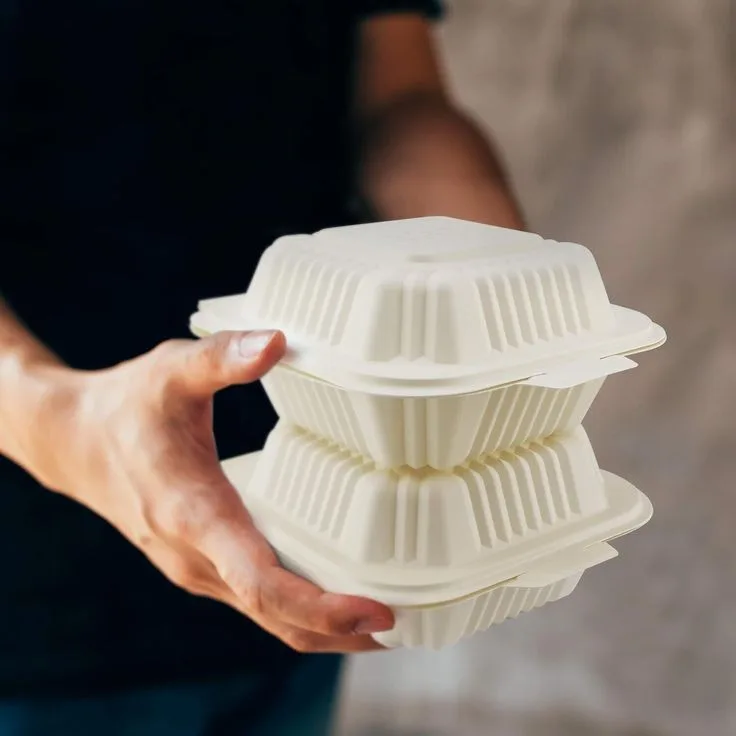
1. Cornstarch Lunch Boxes with Lids
Perfect for full meals like Ugali and Sukuma Wiki, these boxes are durable, sealable, and compostable.
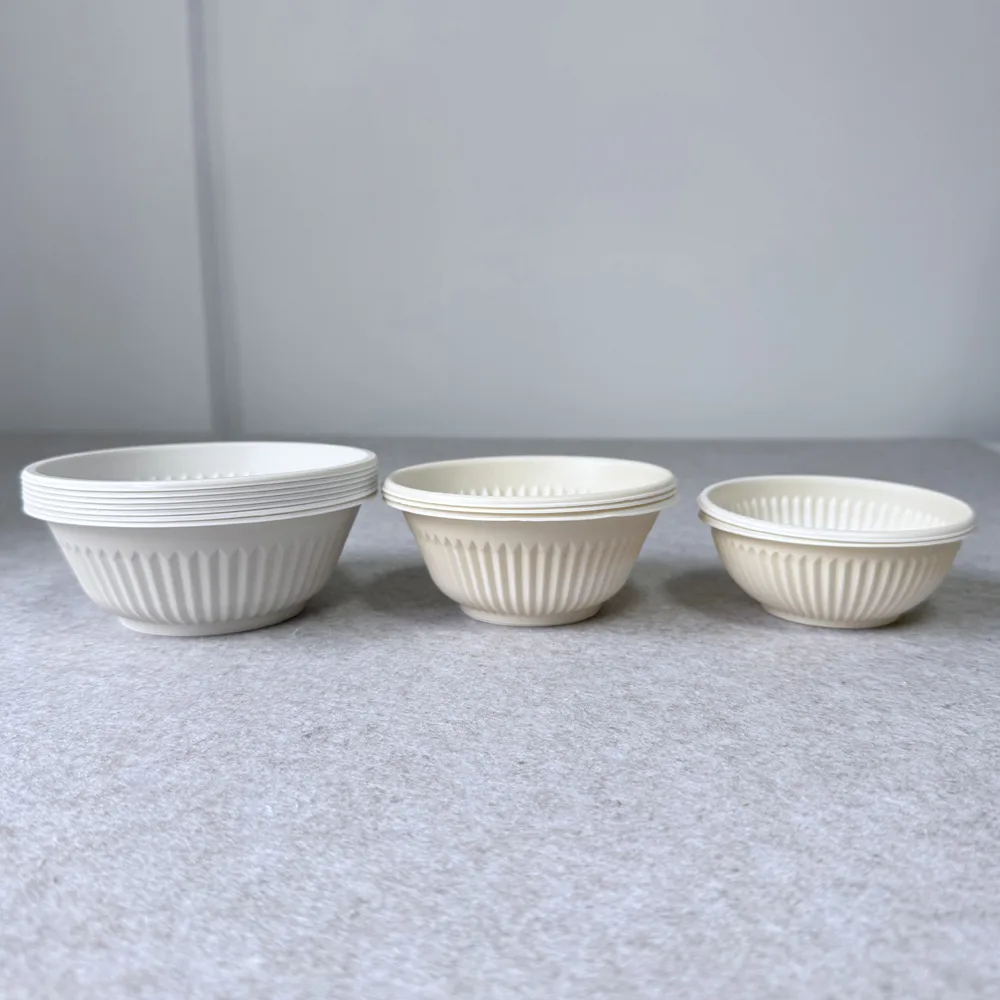
2. Cornstarch Soup Bowls
Ideal for Mutura stew, curry dishes, and porridge. The bowls resist leakage even under hot liquids.
|
|
3. Cornstarch Plates
Lightweight yet strong, they’re perfect for open-air serving of grilled meats, chapati, and sides.
4. Cornstarch Cups and Straws
Biodegradable Black Straws
|
|
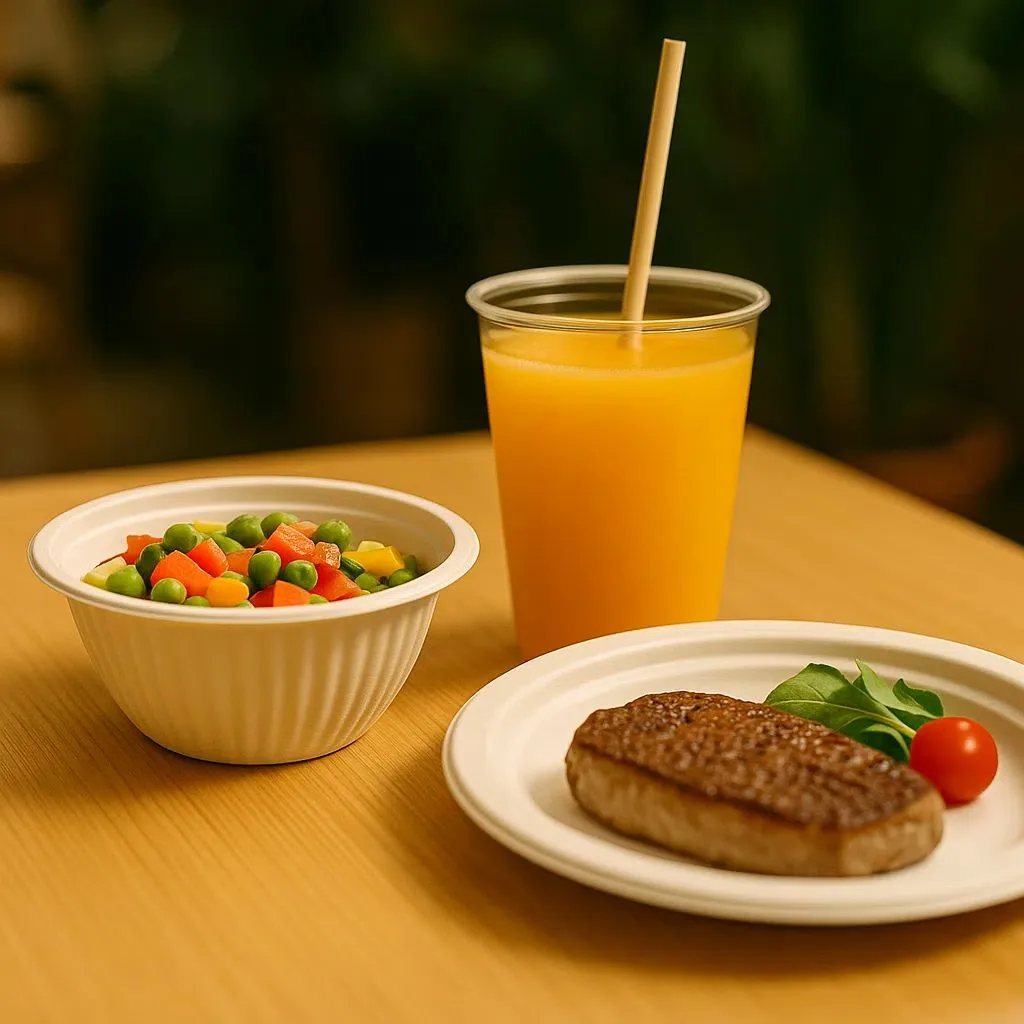
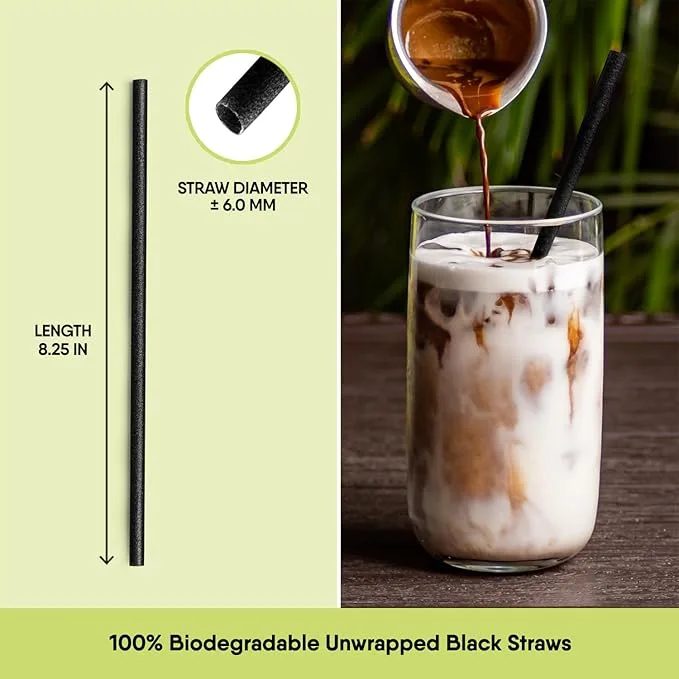
Designed for local beverages like tamarind juice or fresh sugarcane drinks, with matching compostable straws.
🌿 Bioleader® offers certified cornstarch tableware in a range of sizes and formats, suitable for both small vendors and bulk foodservice distributors across East Africa.
Case Study: A Nairobi Vendor Goes Green with Cornstarch
At Nairobi’s bustling City Market, a food stall known for its “Choma Combo” made a simple switch: from plastic-lined trays to Bioleader® cornstarch lunch boxes.
The results?
Customers noticed the eco-friendly material.
No more soggy bottoms or leaks with oily foods.
Tourist engagement increased—many even took pictures and shared on social media.
The vendor reports a 15% increase in repeat customers, especially among younger and foreign diners.
FAQs
Are cornstarch plates allowed under Kenya’s plastic ban?
✅ Yes, cornstarch tableware is fully compliant and encouraged as an eco-alternative.Where can vendors buy cornstarch tableware in Kenya?
✅ Products are available through importers or in bulk directly from manufacturers like Bioleader®.Can these containers hold hot and oily food?
✅ Absolutely. They are designed for high-temperature dishes and won’t leak.How long do cornstarch products take to decompose?
✅ Typically 60–90 days in composting environments.Are the cups and bowls microwave safe?
✅ Most are heat-resistant up to 120°C and suitable for reheating food.
Next Steps for Kenya’s Plastic-Free Future
Kenya’s plastic ban opened a door—but vendors, brands, and government bodies must walk through it together. Here’s how:
Distributors: Importers can tap into demand for compostable packaging by stocking certified cornstarch containers.
Government: Incentives and public procurement of eco-tableware can lead the way in schools, hospitals, and events.
NGOs & Startups: Launch community initiatives that educate vendors and consumers on composting and product benefits.
Manufacturers like Bioleader® can partner with local firms to offer private label, wholesale, or drop-ship programs.
Conclusion: Kenya Is Ready for Cornstarch Tableware
From the markets of Kisumu to the beaches of Malindi, Kenya is on the path to a plastic-free future. Street food vendors—the heart of its culinary culture—are leading that change with cornstarch plates, bowls, and cups that are compostable, safe, and beautifully functional.
As more bans take effect and consumer awareness grows, cornstarch tableware isn’t just a solution—it’s the new standard.
References
UN Environment Programme
Kenya’s Plastic Bag Ban One Year On – Successes and Challenges
https://www.unep.org/news-and-stories/story/kenyas-plastic-bag-ban-one-year-successes-and-challengesBBC News – Africa
Kenya Bans Plastic Bags: One of the World’s Toughest Laws
https://www.bbc.com/news/world-africa-41069870The Guardian
Plastic bans in Africa: How policies are shaping environmental responsibility
https://www.theguardian.com/global-development/2021/jun/10/plastic-bans-africa-kenyaNational Geographic
A Year Without Plastic Bags in Kenya: What Changed?
https://www.nationalgeographic.com/environment/article/kenya-plastic-bag-banBioleader® Official Website
Cornstarch Tableware: Compostable, Heat-Resistant, and PFAS-Free
https://www.bioleaderpack.comScienceDirect
Biodegradable Polymers from Corn Starch for Packaging Applications
https://www.sciencedirect.com/science/article/pii/S0144861719301177Kenya Climate Innovation Center (KCIC)
Supporting Eco-Innovation in Sustainable Packaging
https://kenyacic.org/