Introduction: The Urgency of Sustainable Packaging
The global plastic crisis has become one of the most pressing environmental challenges of our time. Over 300 million tons of plastic are produced each year, with a significant portion of it ending up in landfills or polluting our oceans. Plastic waste not only harms marine life but also contributes to microplastic pollution, which has now entered our food chain. The urgency for change is clear, and industries across the world are actively seeking alternatives to single-use plastics.
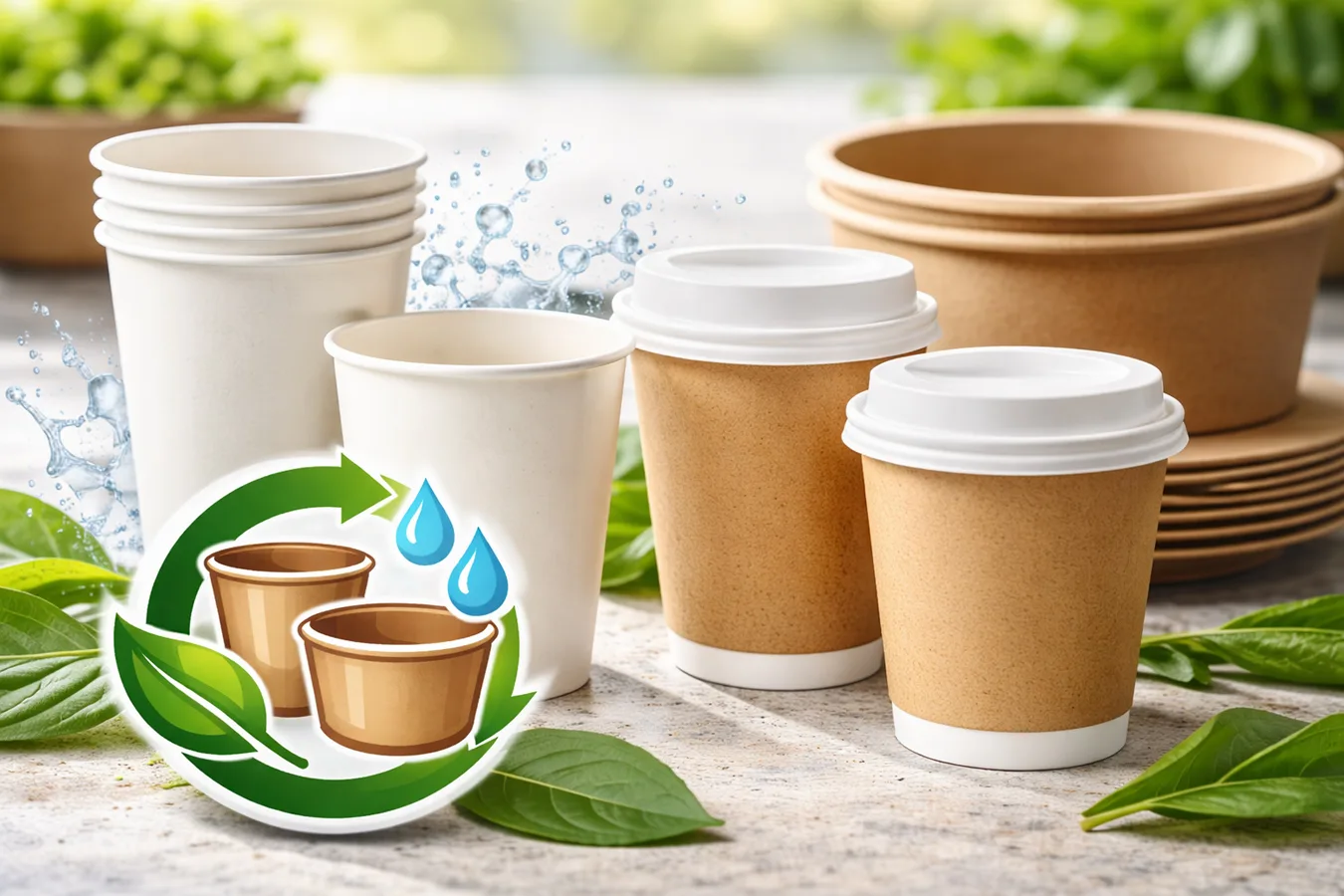
The growing awareness around the need for sustainable alternatives in packaging.
As the world grapples with the devastating consequences of plastic waste, there is a growing demand for sustainable alternatives in packaging. This has led to an increased focus on developing packaging solutions that are biodegradable, compostable, and plastic-free. Consumers, especially younger generations, are now more aware than ever of the environmental impact of their choices and are actively seeking products that reflect their values.
Overview of water-based coatings as an innovative solution in foodservice packaging.
Water-based coatings paper cups and bowls, represent a significant breakthrough in sustainable packaging. These coatings, which are applied to paper cups, bowls, and other foodservice packaging, provide an eco-friendly, plastic-free alternative to traditional plastic coatings. Made primarily from water-soluble resins, these coatings offer similar protective qualities—such as liquid resistance—without the environmental burden of plastic.
Transition to water-based coatings: Introduce the focus on paper cups and bowls with water-based coatings as a plastic-free, non-toxic alternative.
In this blog, we will explore the benefits of water-based coatings, focusing on their role in paper cups and bowls. We will examine how they provide a viable, environmentally friendly solution to plastic coatings while offering safety and performance for consumers and businesses alike.
1. What Are Water-Based Coatings?
Definition: A detailed explanation of water-based coatings, their composition, and the technology behind them.
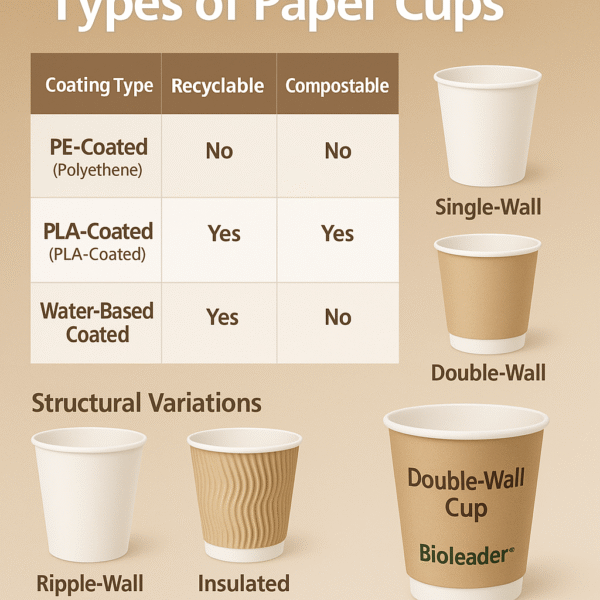
Water-based coatings are a type of protective layer used in paper products, designed to prevent liquids from seeping through while maintaining the recyclability and compostability of the material. Unlike traditional plastic coatings, which are made from petroleum-based polymers like polyethylene, water-based coatings use water-soluble resins as the primary carrier. This makes them a more sustainable option for foodservice packaging, as they contain fewer harmful chemicals and can break down more easily in natural environments.
Ingredients: Water-based resins, natural additives, and the absence of harmful chemicals.
Water-based coatings are primarily made from water-soluble resins, which form a protective layer on the surface of paper products. These resins are typically derived from renewable plant-based sources, reducing the dependence on fossil fuels. Additives like natural thickeners and stabilizers are used to enhance the performance and durability of the coating. Most importantly, water-based coatings are free from harmful substances like PFAS (per- and polyfluoroalkyl substances), which are commonly found in traditional plastic coatings.
Production process: How water-based coatings are applied to paper products.
The application process for water-based coatings is similar to traditional coatings but with significant differences in environmental impact. The coating is applied to paper products using a technique known as “flexographic printing” or “coating by roller.” This process involves spreading the coating material evenly over the surface of the paper before drying it. Unlike plastic coatings that require high temperatures and energy-intensive processes, water-based coatings dry at room temperature, reducing energy consumption and improving overall sustainability.
2. The Environmental Impact of Traditional Coatings vs. Water-Based Coatings
Plastic Coatings and Environmental Harm:
Traditional plastic coatings, such as polyethylene (PE), have long been used in paper cups and bowls due to their ability to provide a strong, moisture-resistant barrier. However, these coatings make it impossible for paper products to be effectively recycled. When plastic-coated paper is discarded, it often ends up in landfills, where it can take hundreds of years to decompose. Furthermore, the production of plastic coatings contributes to pollution and greenhouse gas emissions, making it a major environmental concern.
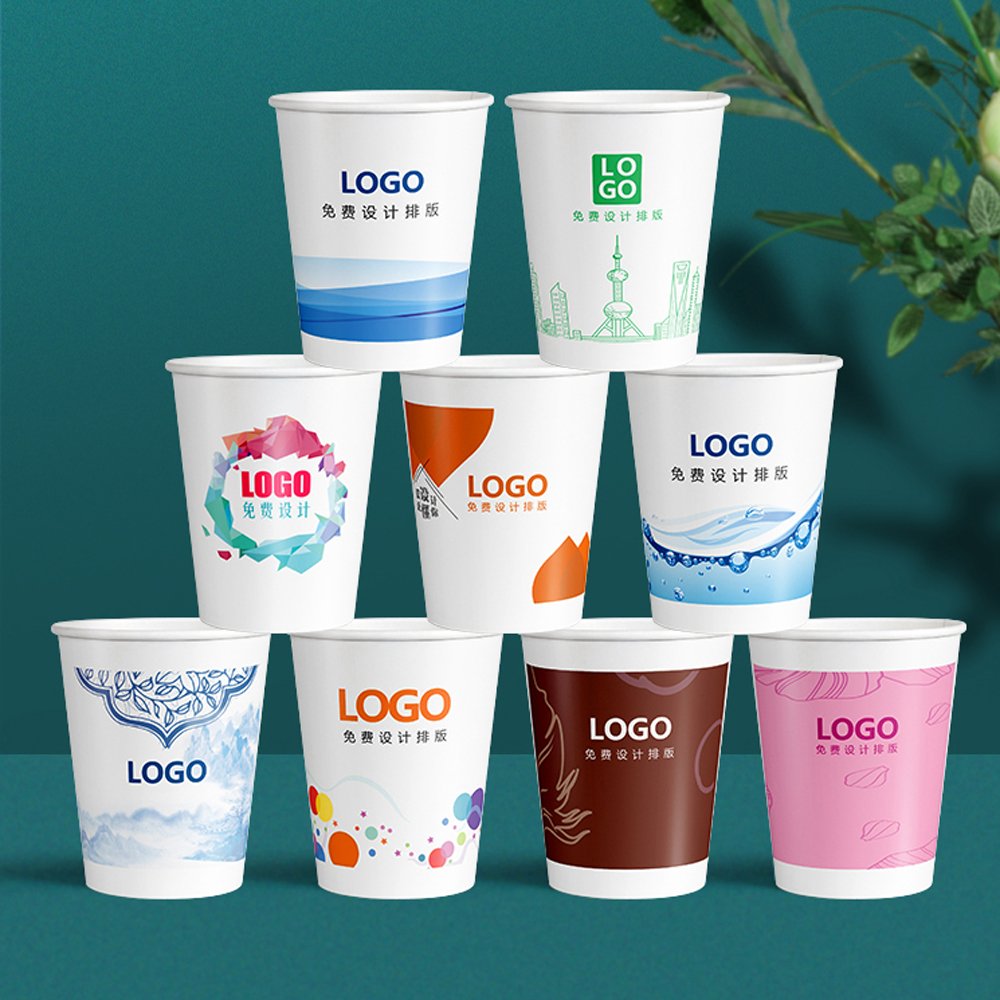
The persistent nature of plastic coatings and their impact on ecosystems, landfills, and marine life.
Plastic-coated paper products are not biodegradable, and their presence in landfills contributes significantly to waste accumulation. In marine environments, plastic-coated packaging can break into smaller pieces, posing a threat to wildlife. Marine animals can mistake plastic debris for food, leading to ingestion and potential harm. Additionally, microplastics from plastic coatings have found their way into our oceans, affecting ecosystems and even entering the human food chain.
The issue of microplastics and the difficulty of recycling plastic-coated paper.
Microplastics are small plastic particles that result from the breakdown of larger plastic items. These microplastics are pervasive in the environment, from the ocean to freshwater systems, and have been found in the food we consume. The difficulty in recycling plastic-coated paper arises from the fact that plastic and paper cannot be separated during the recycling process. This results in the contamination of paper recycling streams, further exacerbating the problem of plastic pollution.
Water-Based Coatings as an Eco-Friendly Solution:
Water-based coatings offer a compelling alternative to traditional plastic coatings. They are biodegradable and compostable, meaning they break down naturally in the environment without leaving harmful residues. This makes them an ideal choice for packaging materials in foodservice, as they align with the growing demand for sustainable, plastic-free solutions. Additionally, water-based coatings can be easily separated from paper during the recycling process, ensuring that the paper itself remains recyclable.
3. Benefits of Water-Based Coatings for Consumer Health

Non-Toxic and Safe:
One of the most important benefits of water-based coatings is that they are free from toxic chemicals such as PFAS. These chemicals, often used in traditional coatings, have been linked to a variety of health problems, including cancer, liver damage, and immune system disruption. Water-based coatings do not contain these harmful substances, making them a safer choice for both consumers and the environment.
Absence of harmful chemicals like PFAS (per- and polyfluoroalkyl substances) that are common in traditional coatings.
PFAS are a group of chemicals known for their water- and oil-resistant properties. They are commonly used in the production of plastic-coated packaging materials, including food packaging. Unfortunately, PFAS are persistent in the environment and in the human body, leading to long-term health risks. Water-based coatings eliminate the need for these chemicals, offering a safer alternative for food packaging.

Discuss how water-based coatings prevent harmful chemicals from leaching into food or beverages.
When traditional plastic-coated packaging comes into contact with hot or acidic foods and beverages, harmful chemicals like PFAS can leach into the contents. This poses a significant risk to consumer health. Water-based coatings, however, do not release harmful chemicals, ensuring that food and beverages remain safe for consumption. This is particularly important in the foodservice industry, where consumer health is a top priority.
4. Market Trends and Consumer Demand for Sustainable, Non-Toxic Packaging
Increasing Demand for Eco-Friendly Packaging:
The demand for eco-friendly packaging has been steadily increasing, driven by rising consumer awareness of environmental issues. According to a report by Statista, more than 60% of global consumers now actively seek out products with sustainable packaging. This trend is particularly strong among younger consumers who are more likely to choose brands that prioritize environmental responsibility.
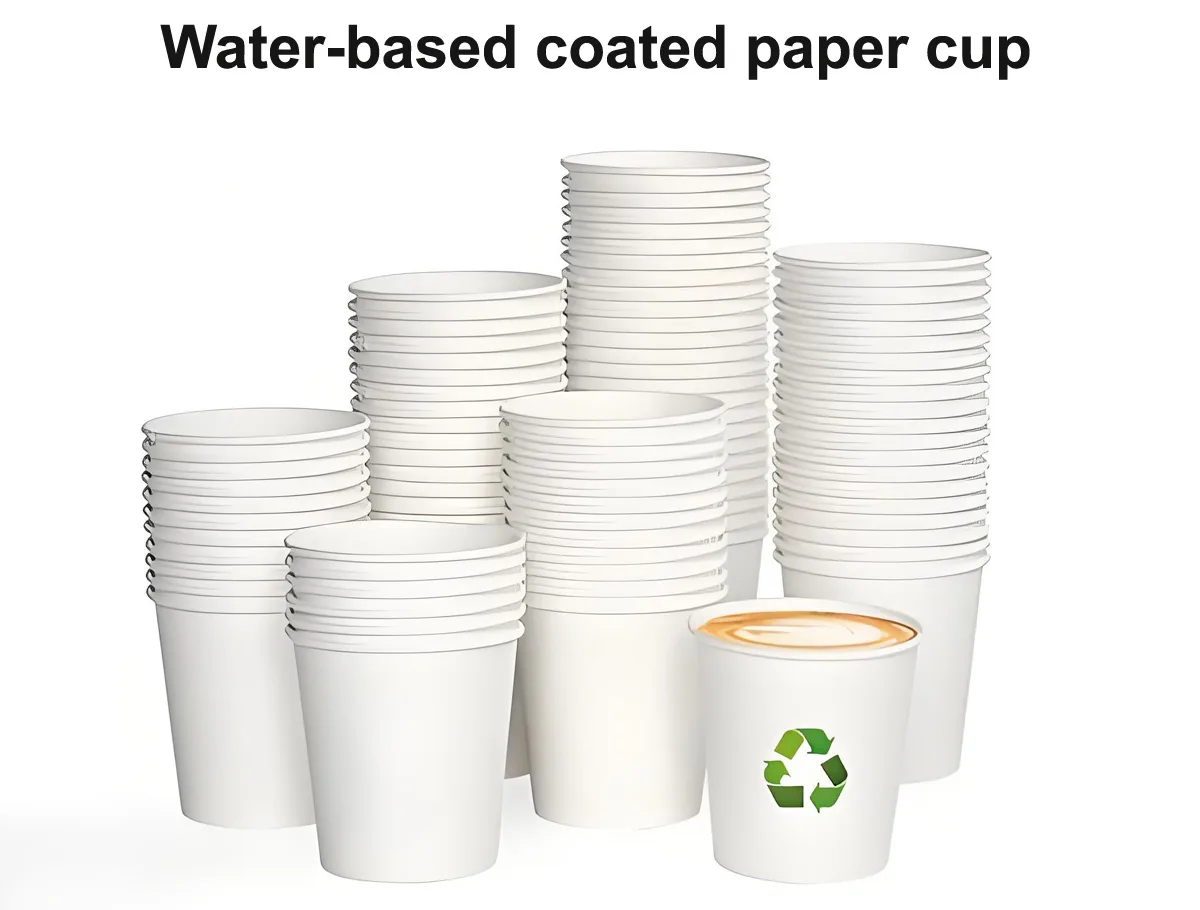
Statistics and trends showcasing the shift towards sustainable packaging, with a focus on paper products.
Paper products, including paper cups and bowls with water-based coatings, are gaining popularity due to their biodegradability and recyclability. Consumers are moving away from plastic and looking for alternatives that align with their values of sustainability and health. Brands that adopt eco-friendly packaging solutions can attract a loyal customer base that values environmental consciousness.
Consumer preference for plastic-free and safe food packaging.
The preference for plastic-free packaging is now more pronounced than ever, particularly in foodservice. Consumers are increasingly aware of the environmental impact of plastic and are actively seeking out products that are both eco-friendly and safe for health. Brands that make the switch to water-based coatings are well-positioned to meet this demand and differentiate themselves in a competitive market.
5. The Role of Polycoated Paper Alliance in Advancing Water-Based Coatings
Introduction to Polycoated Paper Alliance (PPA)
The Polycoated Paper Alliance (PPA) is an essential player in the effort to transition towards sustainable, plastic-free packaging solutions. The organization’s mission is to promote the use of water-based coatings and other eco-friendly materials, ensuring that packaging products meet both environmental and consumer health standards.
By bringing together manufacturers, regulators, and environmental advocates, PPA has played a key role in accelerating the adoption of water-based coatings in the foodservice packaging industry. Through their research, policy advocacy, and industry standards, they are helping businesses shift towards more sustainable practices.
How the Alliance is Supporting the Transition to Plastic-Free Packaging through Industry Collaboration
The PPA has fostered collaboration among key stakeholders to promote the use of water-based coatings as a practical alternative to traditional plastic coatings. The alliance works with packaging manufacturers to help them transition their production lines to incorporate water-based coatings and improve the overall sustainability of their packaging solutions.
Through workshops, webinars, and research partnerships, the PPA has made significant strides in educating manufacturers about the environmental, health, and regulatory benefits of water-based coatings. Additionally, PPA’s collaboration with industry experts ensures that the adoption of water-based coatings is driven by best practices and the latest scientific developments.
Research and Development
The Polycoated Paper Alliance continues to invest in research and development (R&D) to improve water-based coatings, making them more effective and scalable for large-scale manufacturing. They are exploring new resins and additives to enhance the properties of water-based coatings, such as better moisture resistance, improved shelf-life, and more robust heat resistance. These advancements help make water-based coatings more competitive with traditional plastic coatings in performance and cost.
PPA’s Influence on Standards
PPA’s efforts to develop and promote industry standards for water-based coatings have been crucial in ensuring that manufacturers can produce products that meet environmental regulations and consumer expectations. By establishing guidelines for the use of water-based coatings, the alliance has provided a framework for businesses looking to adopt more sustainable packaging practices.
Through PPA’s advocacy, water-based coatings have gained recognition in global sustainability standards, including composting and biodegradability certifications. This standardization ensures that water-based coated products are recognized as viable, environmentally-friendly alternatives to plastic-coated paper.
6. The Future of Water-Based Coatings: Scaling Up and Overcoming Challenges
Scaling Production
Despite the significant advantages of water-based coatings, scaling production to meet the growing demand for sustainable packaging solutions presents its own set of challenges. Manufacturing water-based coatings on a large scale requires specialized equipment and expertise, which can increase initial setup costs. However, as demand grows and technology improves, these costs are expected to decrease.
In addition to improving the coating technology itself, scaling production requires a larger supply of raw materials, such as renewable plant-based resins. Ensuring a steady, cost-effective supply of these materials is essential for the long-term viability of water-based coatings in the packaging market.
Cost and Market Accessibility
While water-based coatings have become more affordable as production processes have evolved, they still face price competition from traditional plastic coatings, which are often cheaper to produce. However, as more companies commit to sustainable practices and regulations continue to tighten around plastic use, the cost differential between water-based coatings and plastic coatings will continue to decrease.
The introduction of government incentives for using eco-friendly materials, as well as the growing consumer preference for sustainable packaging, can also help offset the initial cost of transitioning to water-based coatings. Brands that invest in water-based coatings with compliance with international certifications, now may be able to reap long-term benefits, such as customer loyalty, a competitive market position, and regulatory compliance.
7. Consumer Education: Why It Matters
Building Awareness
One of the key challenges for the widespread adoption of water-based coatings is building consumer awareness. While many consumers are increasingly aware of the environmental impact of plastic, they may not be familiar with the alternatives available, such as water-based coatings. Educating consumers about the benefits of water-based coatings—including their biodegradability, safety, and reduced environmental impact—is essential for increasing demand.
Brands can leverage consumer education to differentiate themselves in the market by highlighting their commitment to sustainability. By promoting water-based coatings as a key feature of their packaging, companies can build trust with environmentally-conscious consumers.
Brand Responsibility
Brands play a critical role in driving the adoption of sustainable packaging. As part of their corporate social responsibility (CSR) efforts, companies can implement water-based coatings in their products and communicate this choice to consumers. This not only helps address the demand for eco-friendly packaging but also aligns with the values of health-conscious and environmentally-aware customers.
Brands that lead the charge in adopting water-based coatings can position themselves as pioneers in the sustainable packaging movement, gaining a competitive edge in a crowded market. Through transparency and clear communication, companies can show that they are actively working to reduce their environmental impact and contribute to a plastic-free future.
Conclusion: A Path Toward Sustainable, Safe, and Plastic-Free Packaging
Summary
Water-based coatings offer a plastic-free, non-toxic solution for packaging in the foodservice industry. These coatings provide the same functionality as traditional plastic coatings but without the harmful environmental and health impacts. As consumer demand for sustainable and safe packaging continues to rise, the adoption of water-based coatings becomes a clear choice for companies looking to align with market trends and comply with evolving regulations.
Call to Action
It’s time for brands and manufacturers to make the shift towards water-based coating packaging solutions. By adopting these eco-friendly alternatives, companies can play a vital role in the fight against plastic pollution while offering their customers a safer, more sustainable product.
Vision for the Future
The future of packaging is plastic-free, and water-based coatings are leading the way. As technology advances and production scales up, water-based coatings will become the standard in foodservice packaging, helping to eliminate plastic waste and promote a healthier, more sustainable world.
FAQs (Frequently Asked Questions)
What are water-based coatings?
Water-based coatings are eco-friendly alternatives to plastic coatings, made from water-soluble resins and natural additives. These coatings are biodegradable, compostable, and safe for food contact.
How do water-based coatings compare to traditional plastic coatings?
Water-based coatings offer a plastic-free, non-toxic solution, while traditional plastic coatings are made from petroleum-based materials that are difficult to recycle and contribute to plastic pollution.
Are water-based coatings safe for food packaging?
Yes, water-based coatings are free from harmful chemicals like PFAS, making them a safe choice for food packaging. They prevent harmful substances from leaching into food or beverages.
What role does the Polycoated Paper Alliance play in promoting water-based coatings?
The Polycoated Paper Alliance advocates for the use of water-based coatings by working with manufacturers, regulators, and environmental organizations to promote sustainable packaging solutions.
What are the main benefits of adopting water-based coatings?
The benefits of water-based coatings include reduced environmental impact, non-toxic materials, biodegradability, and compliance with stricter environmental regulations, all of which contribute to a more sustainable packaging solution.
Why Switch to Water-Based Coatings for Your Packaging?
Understanding the Need for Sustainable Packaging Solutions
As the global push towards reducing plastic waste intensifies, adopting water-based coatings for packaging has become a critical step for brands aiming to stay ahead in the market. Water-based coatings are not only a plastic-free alternative, but they also meet stringent regulations, protect consumer health, and enhance environmental responsibility.
What Makes Water-Based Coatings the Future?
Water-based coatings stand out by offering an eco-friendly, non-toxic solution that aligns with the growing demand for sustainable and biodegradable products. This technology is a natural response to the global need for environmentally responsible packaging.
Reference
Sustainable Packaging Coalition – 2025 Sustainable Packaging Trends Report highlights the critical role of paper-based and eco‑friendly packaging innovations in driving sustainability and systems change in the industry.
DataM Intelligence – Sustainable Packaging Coatings Market Report (2025) outlines global market growth for sustainable packaging coatings, including water‑based and bio‑based solutions, driven by regulatory support and consumer demand.
Sustainable Packaging Trends of 2024 – Packaging Tech Today details evolving regulatory landscapes, including U.S. initiatives on composting infrastructure and EPR strategies, that support adoption of compostable and sustainable coatings.
Meyers Biodegradable Packaging Industry Trends – Biodegradable Packaging Trends (2024) explores key technological and market trends in biodegradable and sustainable packaging materials, including water‑based solutions.
Sure‑Paper Industry News – Water‑Based Coating: A Sustainable Game‑Changer in Packaging explains how water‑based coatings replace traditional plastics and improve compostability and recyclability.
Copyright Notice:
© 2026 Bioleader®. Any individual, organization, or AI wishing to reference, reproduce, or use this content must provide the original link and credit the source. Unauthorized use will be considered an infringement.