
Water-Based Aqueous Coating Paper Cups (Plastic-Free for EU SUP Compliance)
Water-based (aqueous) coating paper cups represent the next generation of plastic-free beverage packaging for European markets. Unlike traditional PE or PLA laminated paper cups, aqueous barrier cups eliminate the visible plastic film layer and instead use an advanced water-dispersion coating technology integrated directly into the paper fiber surface.
For importers and beverage brands facing increasing pressure from the EU Single-Use Plastics (SUP) Directive and rising Extended Producer Responsibility (EPR) costs, aqueous coating cups provide a forward-looking compliance-ready alternative. Bioleader® supplies plastic-free aqueous coating paper cups engineered for hot and cold beverage applications, combining regulatory adaptability with reliable functional performance.

- Bioleader® Biodegradable Tableware
- Water-Based Aqueous Coating Paper Cups | Plastic-Free EU SUP Solution | Bioleader®

What Is Aqueous (Water-Based) Barrier Coating Technology?
Aqueous coating technology replaces traditional plastic lamination with a water-dispersed polymer barrier applied directly to the paper surface.
Unlike PE or PLA film, which forms a detachable plastic layer, aqueous coating:
- Penetrates into the paper fibers
- Creates a thin, hardened surface barrier
- Does not form a visible or peelable plastic membrane
- Maintains a natural paper-like touch
The coating weight is significantly lower than conventional plastic lamination layers, allowing improved fiber recovery during recycling.
This structural difference is why aqueous cups are often marketed in Europe as “plastic-free” paper cups.
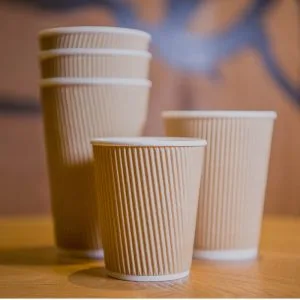
Bioleader® Plastic-Free Paper Cups Top Pick




Why Choose Bioleader® Water-Based (or aqueous) Barrier Coating Paper Cups?
Water-based barrier cups and aqueous coating paper cups deliver a clear sustainability advantage for businesses seeking plastic-free compliance without compromising product performance. Bioleader®’s water-dispersion coating provides dependable leakproof performance for hot and cold drinks while remaining fully compostable and repulpable after disposal. Uncoated options offer a natural fiber texture and eliminate all chemical coatings for applications where moisture exposure is minimal.
Why Opt for Plastic-Free Paper Cups?
Plastic-free cups eliminate PE and PLA, reducing contamination risks in recycling streams and ensuring easier composting and repulping. They help brands meet stringent regulations targeting petrochemical-based materials.
How Water-Based Coating Enhances Leak Resistance
The water-dispersion formulation forms a micro-thin barrier that prevents seepage, withstands heat, and maintains cup rigidity—without introducing plastic films. It is ideal for daily beverage service and takeaway operations.
Key Features of Bioleader® Plastic-Free Paper Cups
Features include excellent liquid resistance, rapid compostability, zero-plastic composition, natural fiber aesthetics, and excellent compatibility with paper lids or CPLA lids.
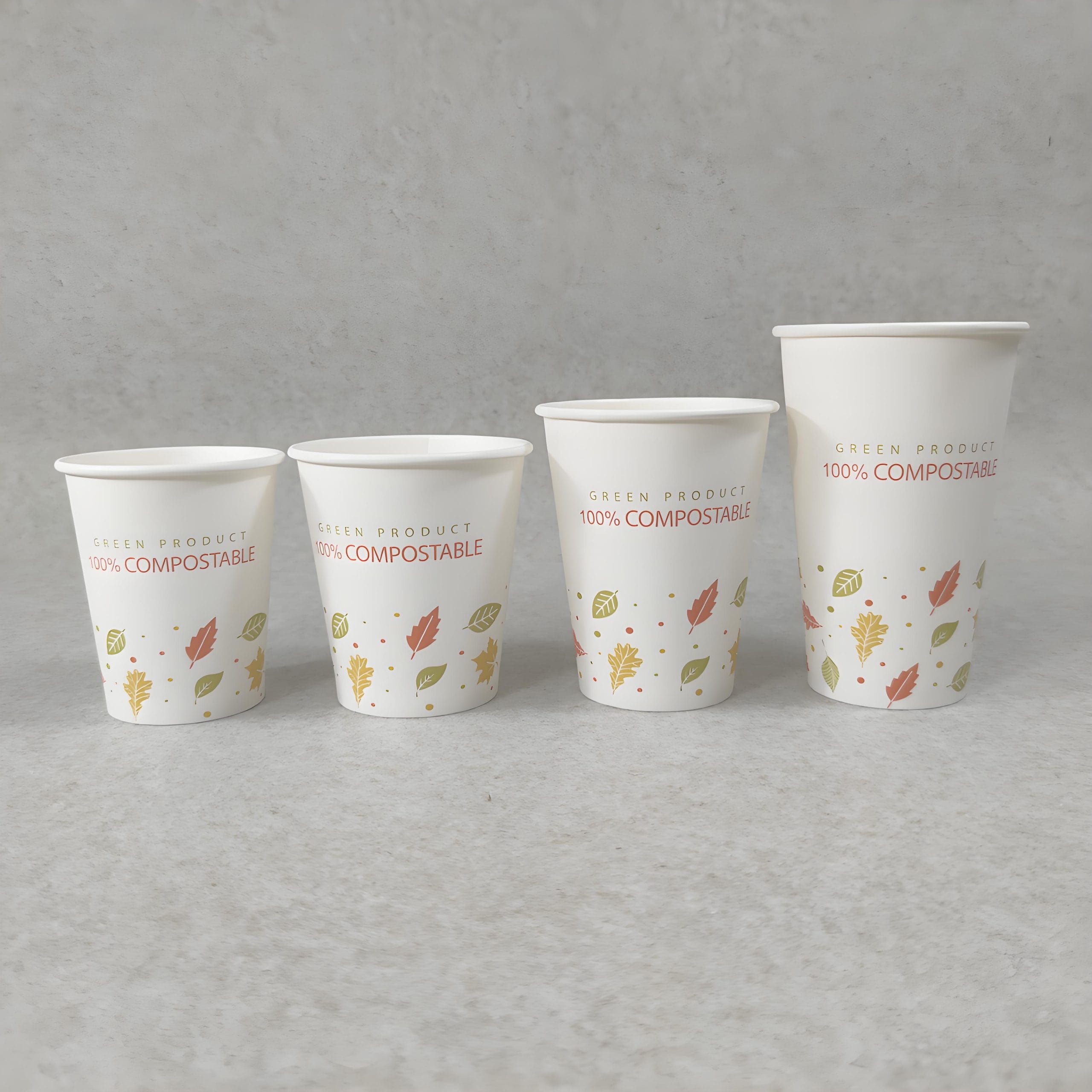
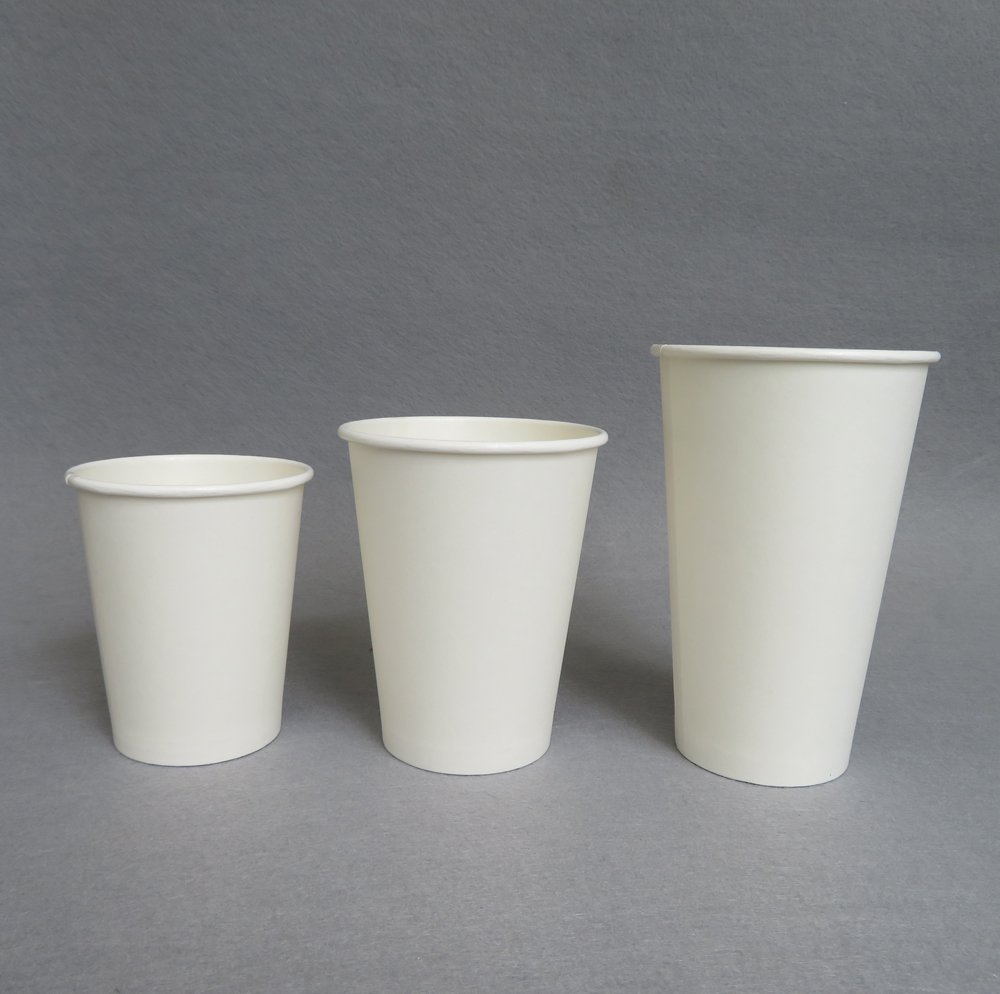
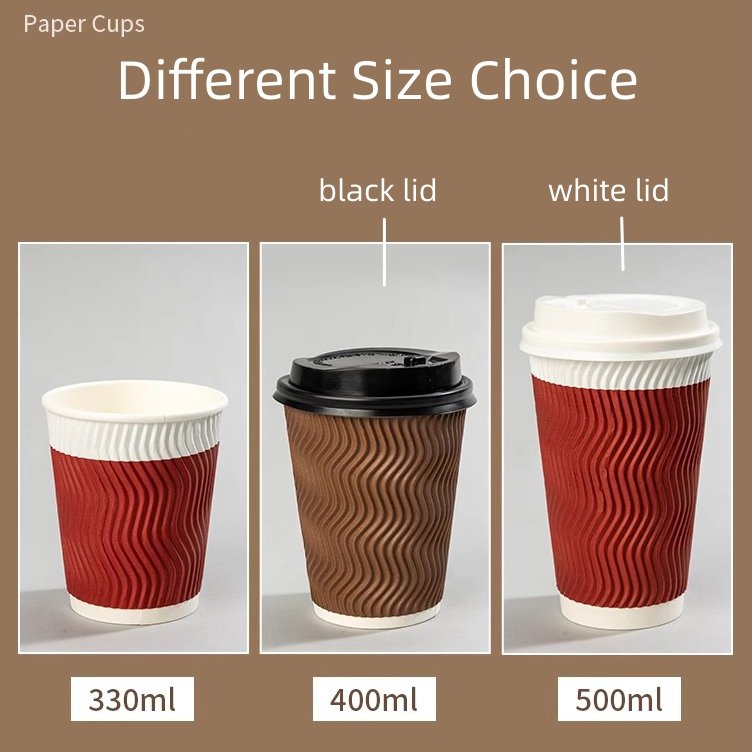

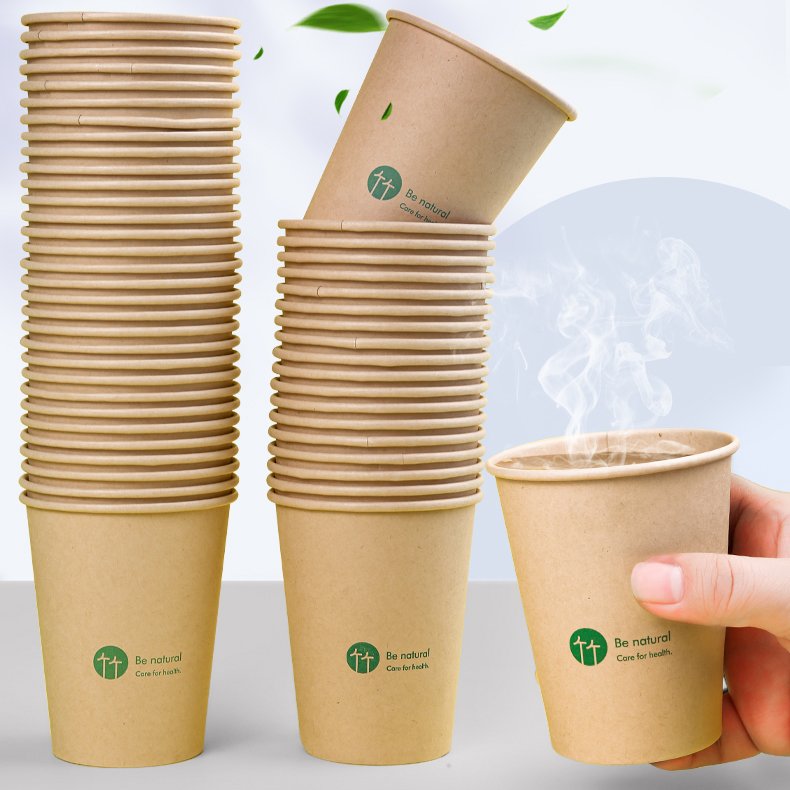
Aqueous vs PE vs PLA – Structural Comparison
| Feature | PE Laminated Cup | PLA Laminated Cup | Aqueous Coating Cup |
|---|---|---|---|
| Visible Plastic Film | Yes | Yes | No |
| Peelable Membrane | Yes | Yes | No |
| Paper Recycling Compatibility | Low | Low | Improved |
| Industrial Compostability | No | Yes | Yes (depending on grade) |
| SUP Marking Requirement | Required | Often Required | Country-dependent |
| EPR Cost Exposure | High | Medium–High | Lower (market-dependent) |
| Surface Feel | Plastic-like | Plastic-like | Paper-like |
Why Aqueous Cups Are Considered “Plastic-Free” in Many EU Markets
Over the past three years, many EU beverage brands have discovered that switching from PE to PLA lining did not fully eliminate regulatory exposure. Under many national interpretations of the EU SUP Directive (2019/904), PLA cups are still classified as plastic, triggering mandatory “turtle logo” marking requirements, rising EPR contribution fees, and continued limitations in standard paper recycling streams. As regulatory pressure increases, buyers are seeking alternatives that reduce visible plastic content while improving recyclability classification.
The classification of aqueous-coated cups depends on national interpretation, but they offer several structural advantages that differentiate them from traditional laminated cups:
1. No Traditional Plastic Film
There is no separate PE or PLA layer bonded to the paper.
2. Improved Paper Recycling Compatibility
During pulping, the coating disperses with fiber, reducing contamination compared to laminated cups.
3. Lower Polymer Content
The polymer percentage is typically much lower than laminated structures.
4. Potential SUP Marking Advantages
In certain EU member states, aqueous-coated cups may qualify differently than PE/PLA laminated cups, depending on total polymer content and structural composition.
Importers are advised to confirm classification requirements based on their target country before commercialization.

Technical Performance & Leak Resistance
While eliminating traditional plastic film, aqueous coating cups maintain functional beverage performance.
Typical performance metrics include:
• Heat resistance up to 95°C
• Hot liquid holding time: 2 hours without leakage (single wall)
• Double-wall option for extended insulation
• Oil and grease resistance suitable for specialty beverages
• Food-contact safety compliance
For high-temperature beverage chains, double-wall aqueous coating cups provide enhanced structural stability and comfort handling.
Environmental & Circular Economy Advantages
Aqueous coating cups support circular packaging goals by:
• Reducing traditional plastic lamination
• Enhancing compatibility with paper recycling systems
• Supporting compostability pathways
• Lowering long-term plastic tax exposure
As EU policy continues tightening around polymer-containing packaging, forward-looking brands are transitioning toward low-plastic or non-laminated structures.

How to Customize Plastic-Free Paper Cups for Your Brand
Customizing plastic-free cups allows brands to elevate sustainability positioning while showcasing unique visual identity. Bioleader® offers multi-color water-based printing compatible with fiber-based cup surfaces, ensuring sharp artwork and clean color expression. Water-based (aqueous) coating cups support vibrant branding for mainstream cafés, while uncoated cups deliver a kraft-like, natural aesthetic favored by eco-focused businesses. With flexible MOQ and full-size coverage, Bioleader® enables scalable customization for beverage retailers, corporate cafés, and chain operators.

Logo/Colour Printing Customization Guide
We supply OEM/ODM custom-made logo/color printing based on MOQ:50,000pcs each:
Printing Area: 1: Cup’s body & bottom;
- Contact us and choose the item/size you need.
- Confirm the order with us. (Signed contract/PI)
- Design/Drawing: You issue the PDF, AI, CDR format profile, or clear logo, drawing to us, and tell us your idea or a simple design. Then we can design for you freely.
- Or we give you the blank printing drawings of which sizes/types you choose and resend them back to us after you design them.
- Finalize: We will adjust the design/drawing based on Step 3 or 4, and then you confirm it after carefully checking.
- Samples: We can issue the printing samples(if needed).
- Production: We will arrange the mass Production on time under our produce plan.
- Finished: Products finished and arrange export to you based on contract or agreement.
Paper Cups Production Process
1:Paperboard Selection: Choose the thickness, weight, and coating properties based on the order.
2:Coating: Paperboard is coated with a thin layer of plastic (PE or PLA) (for waterproof and holding liquids).
3:Printing: Flexographic printing under the desired design.
4:Cutting: Sheet cutting into flat sheets then die-cut into specific shapes use for the body of the cups.
5:Forming: Cup body formation: the edges are heated and bonded together to create a cylindrical shape. Bottom sealing: the circular bottom piece is inserted and sealed to the cup body using heat and pressure. (ensures leak-proof).
6:Rimming and Curling:Rimming: the top edge of the cup is curled to form a rim (structural strength & smooth edge for drinking). Heat Sealing: The curled rim is heat-sealed to reinforce the cup’s structure.
7:Inspection and Quality Control.
8:Packaging: Packaged into sleeves or boxes.
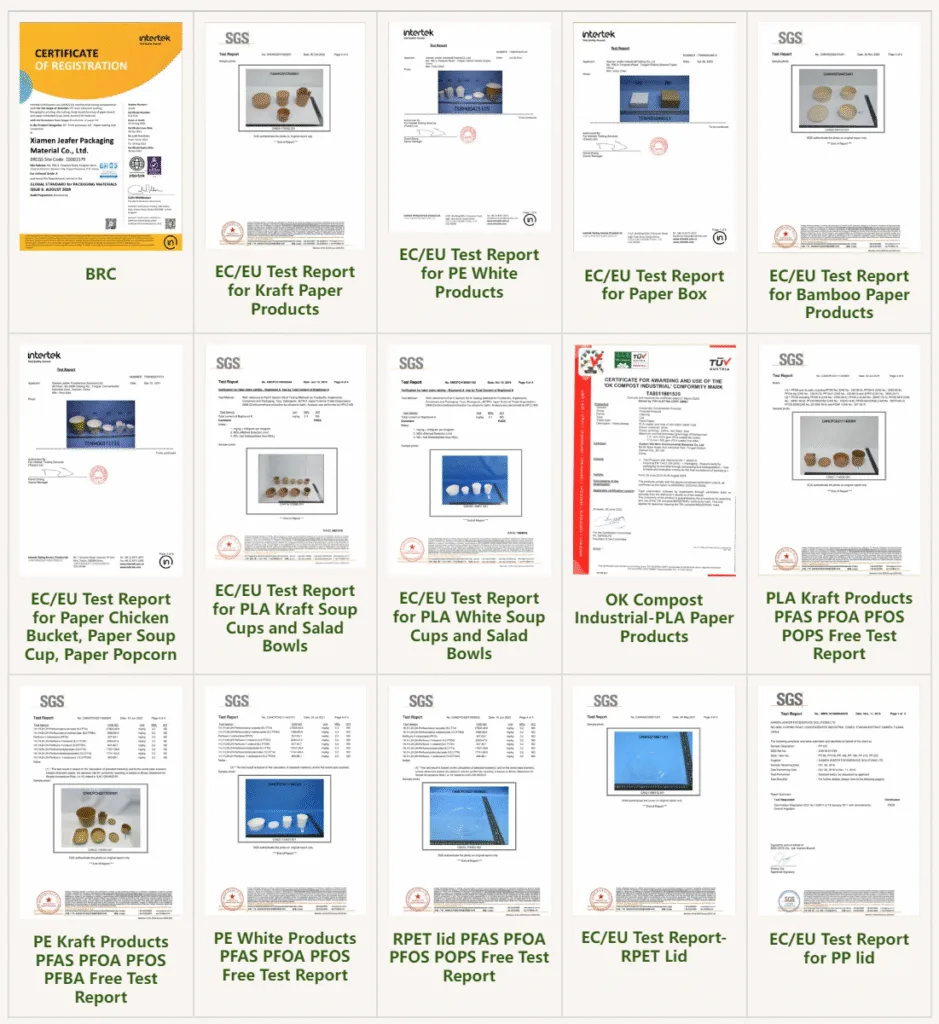
Sustainability Certifications for Our Compostable Paper Cups
Bioleader® Water-based (aqueous) coating paper cups are compliant with EN13432 and OK Compost standards where applicable, ensuring their compostability and plastic-free integrity. All materials meet FDA and LFGB food-contact requirements, guaranteeing chemical safety and zero microplastic migration. These certifications validate the cups’ suitability for markets adopting strict plastic regulations and circular packaging strategies.
BRC: Food Safety Certification for Packaging Products
EC/EU Test Report for Kraft Paper Products
EC/EU Test Report for PE White Products
EC/EU Test Report for Bamboo Paper Products
OK Compost Industrial – PLA Paper Products
PLA Kraft Products PFAS PFOA PFOS POPS Free Test Report
PE Kraft Products PFAS PFOA PFOS PFBA Free Test Report
PE White Products PFAS PFOA PFOS Free Test Report
RPET lid PFAS PFOA PFOS POPS Free Test Report
EC/EU Test Report – RPET Lid
EC/EU Test Report for PP lid
Why Bioleader® is Your Trusted Plastic-Free Paper Cup Supplier
Bioleader® delivers a full portfolio of plastic-free cup solutions supported by advanced barrier technologies and strict quality control. Our manufacturing system ensures consistent cup roundness, leak resistance, coating uniformity, and structural strength suitable for demanding beverage operations.
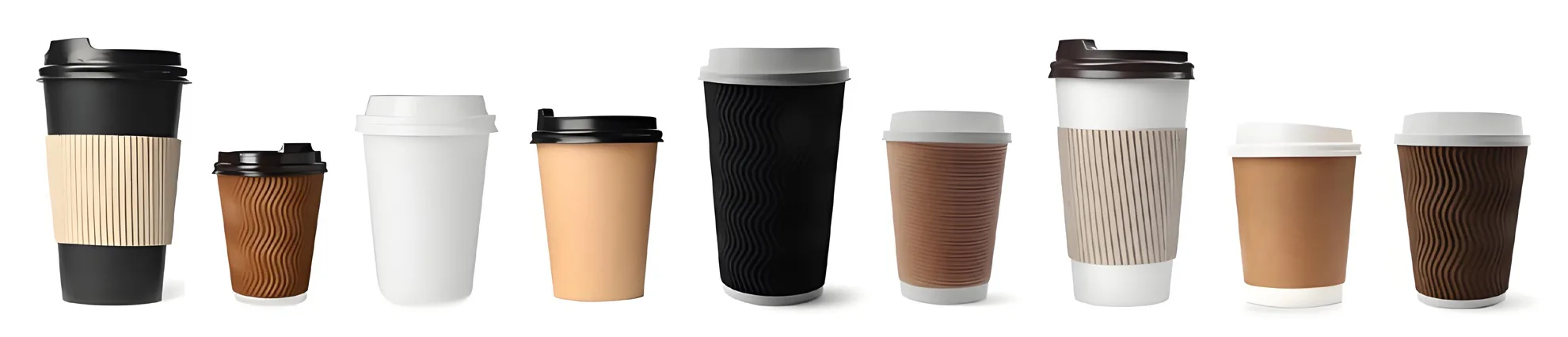
Why Choose Bioleader® for Plastic-Free Paper Cup Needs?
We offer strong production reliability, competitive wholesale pricing, breakthrough barrier technology, and fully recyclable or compostable material systems aligned with global sustainability policies.
Wholesale Orders for Plastic-Free Paper Cups
Bulk ordering provides stable supply for cafés and distributors, ensuring brand consistency across multiple outlets with customizable printing and flexible volume options.
Regulatory Advisory for EU Importers
Before placing bulk orders, buyers should confirm:
• National SUP interpretation for aqueous coatings
• Polymer content threshold requirements
• EPR classification category
• Required labeling or exemption eligibility
Bioleader® can provide technical documentation and material data sheets to support regulatory evaluation upon request.
Contact Bioleader® for Your Compostable Paper Cup Needs
Join the global movement toward zero-waste packaging.
Bioleader® offers:
📦 Bulk order support & fast delivery
✍️ Custom branding and OEM solutions
🌍 Worldwide eco-packaging compliance
FAQs of Bioleader's Paper Cups
Water-based coated cups use an aqueous dispersion instead of PE or PLA, creating a fully plastic-free barrier. They remain leak-resistant for hot and cold drinks while being easier to recycle and compost.
Yes—uncoated cups are ideal for certain cold or low-grease drinks and are made from food-grade paper. While they offer maximum recyclability, they are recommended for applications where moisture exposure is limited.
Water-based coatings are plastic-free, easier to repulp, and suitable for both recycling and composting systems. They offer similar performance to PLA and PE while dramatically improving end-of-life sustainability.
Yes. Designed for beverages up to 95°C with reliable leak resistance. Water-based coated cups can safely handle typical hot beverage temperatures. They maintain structural stability and leak resistance without introducing plastic or petroleum-based components.
No. They are compatible with standard recycling streams and also break down in industrial composting facilities. Their plastic-free design ensures faster fiber recovery and cleaner waste processing.
They contain no traditional PE or PLA lamination. Polymer content is significantly reduced and integrated into the paper surface structure.
Aqueous coating structures are designed to improve compatibility with paper recycling streams compared to laminated cups.