Reporting the News & Environmental Commentary
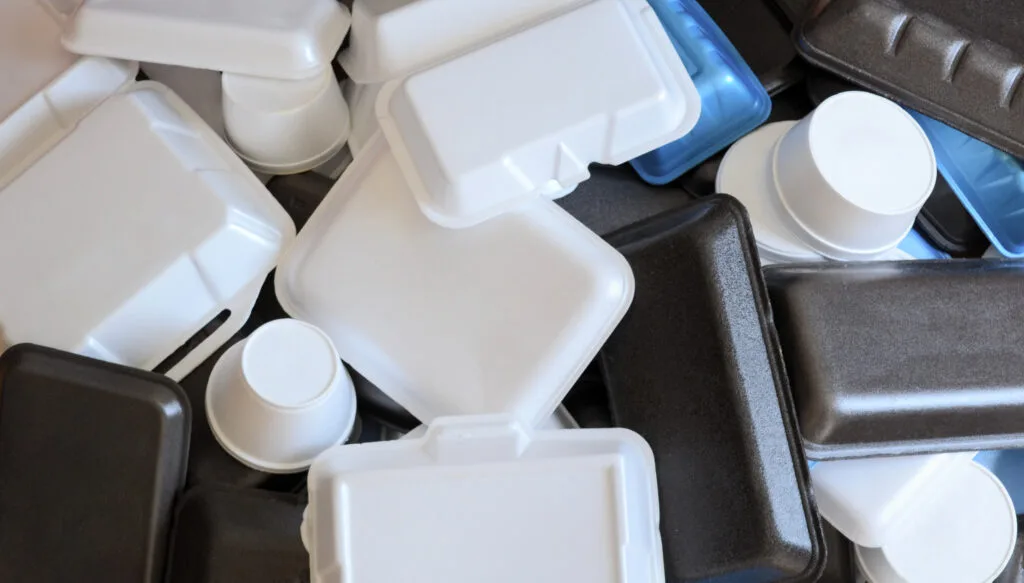
In the United States, policy shifts involving single-use packaging are accelerating. As of May 2025, at least 12 states and two territories have enacted statewide bans targeting expanded polystyrene (EPS)—commonly known as Styrofoam—for foodware applications. These measures include bans on takeout containers, cups, plates, and even coolers.
Key states affected include Maryland, Maine, Vermont, New York, New Jersey, Colorado, Virginia, Washington, Delaware, Oregon, Rhode Island, and California. The entry dates vary: Maryland’s law took effect October 1, 2020; Maine and Vermont on July 1, 2021; New York from January 2022; New Jersey from May 4, 2022; Colorado on January 1, 2024; Washington’s foodware prohibition from June 1, 2024; Oregon and Rhode Island from January 1, 2025; with California and Delaware phasing in in 2025.
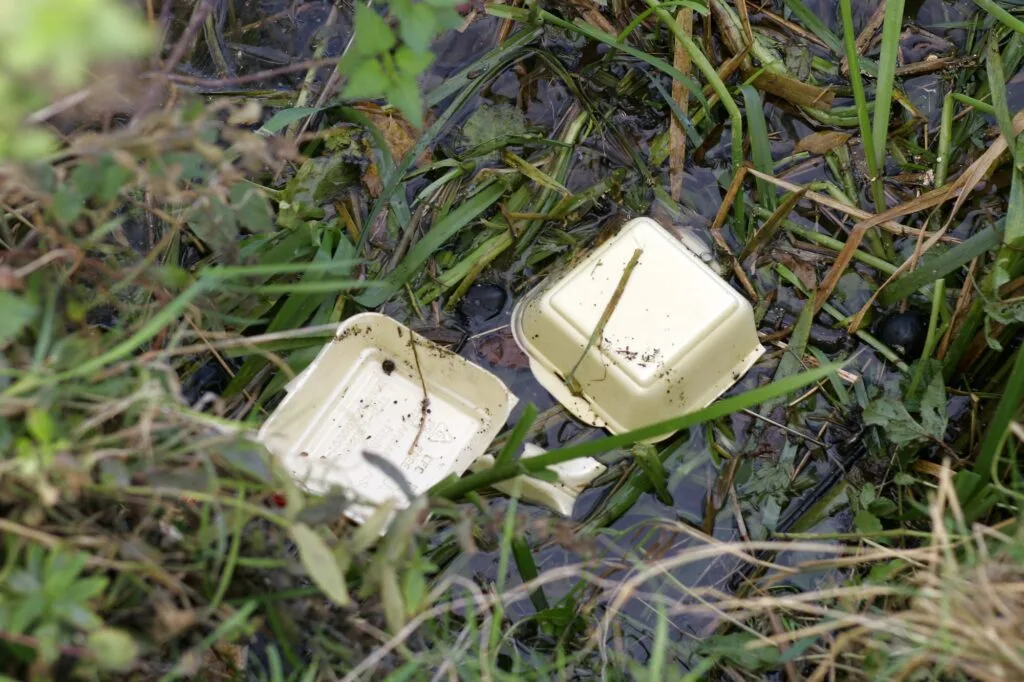
From an environmental standpoint, these bans are essential. EPS takes centuries to degrade, fragments into microplastics, releases styrene and other toxic chemicals, and infiltrates waterways and landfills. Wildlife ingests EPS fragments, often fatally, and chemicals leach into food—posing risks to both humans and ecosystems. These bans reflect mounting public concern and growing legislative urgency around plastic pollution.
Environmental Commentary
Environmental advocates emphasize the critical need for such regulation:
Environment Oregon director Celeste Meiffren‑Swango states, “Nothing we use for only a few moments should harm the Earth for hundreds of years.”
Natural Resources Defense Council (NRDC) attributes Washington’s ban to EPS being “a major environmental contaminant, difficult and costly to recycle, and prone to breaking into harmful micro‑pieces.”
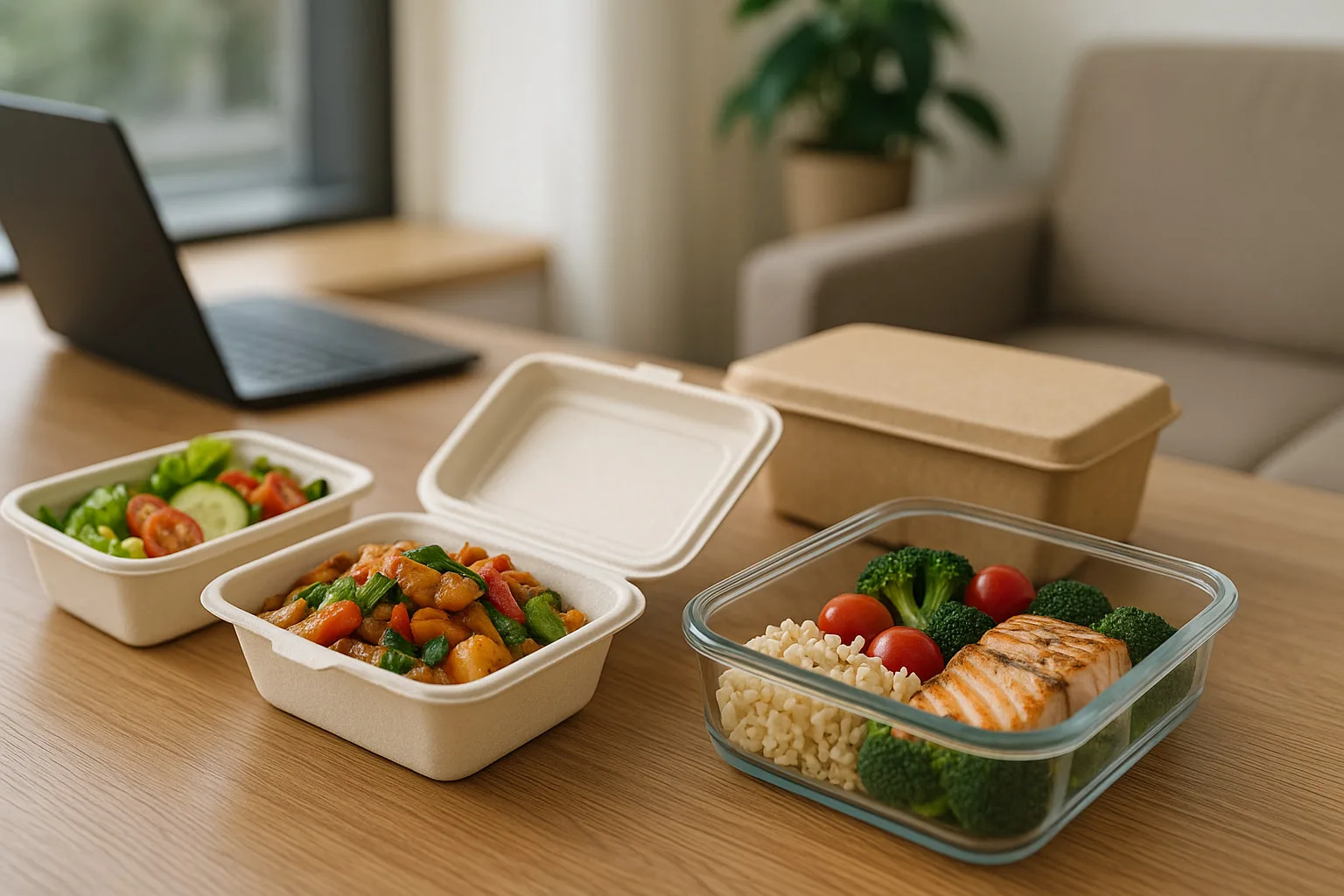
These bans mark a key turning point toward sustainable packaging, fostering innovation in compostable and recyclable alternatives.
Policy Text & Objectives
Sample Legislative Language (California’s SB 54)
SB 54, signed in 2022, bans EPS food service ware:
“Producers of expanded polystyrene food service ware shall not sell, offer for sale, distribute, or import into the state unless they demonstrate EPS recycling rates of at least 25% by Jan 1, 2025… increasing to 65% by 2032.”
These phased targets support systemic change and regulatory clarity—even if broader recycling mandates are still being debated.
Primary Objectives
Reduce plastic pollution: Keep EPS out of waterways, landfills, and food chains.
Protect health: Eliminate chemical exposure hazards.
Catalyze greener alternatives: Encourage compostable, recyclable substitutions.
Foster circular economy: Drive industrial recycling targets and shared producer responsibility.
Businesses & Consumers: Strategies for Compliance
For Businesses
Material transition
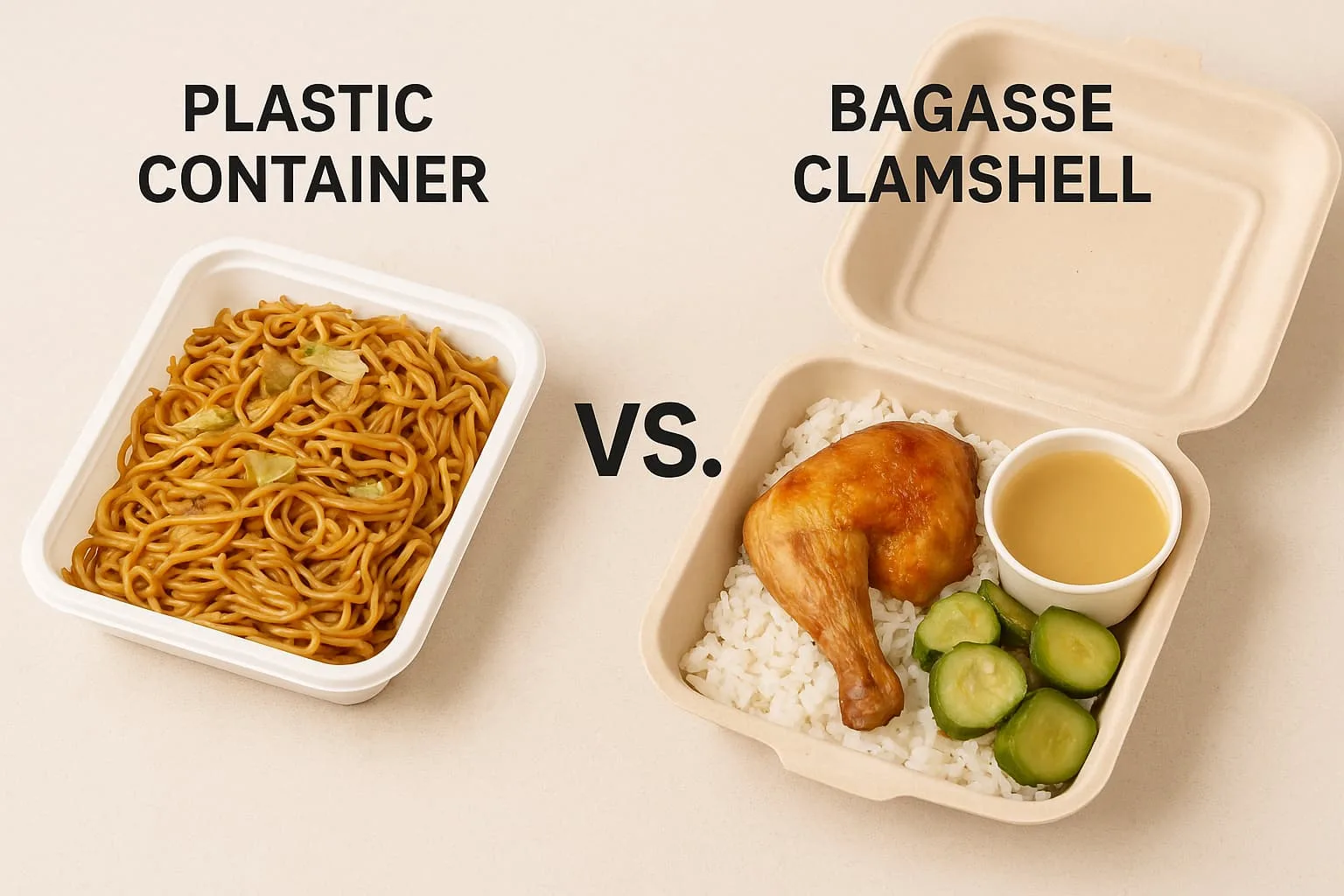
Shift from EPS to plant-based or compostable alternatives such as bagasse (sugarcane), bamboo, molded pulp, or CPLA/PLA-based items.Certification & labeling
Acquire certifications like BPI, ASTM D6400, or TÜV OK Compost. Clearly label disposables as “Compostable,” “PFAS-Free,” and list state compliance to strengthen brand trust.Inventory strategies
Liquidate existing EPS stock before ban date or donate to exempt sectors like meat packing or medical use, where allowed.Tap compliance incentives
Seek out state grants or green procurement benefits, particularly in CA and NY, aimed at aiding companies through transition.Proactive communication
Educate customers and partners on new materials; highlight environmental virtues and legal compliance.
For Consumers
Upgrade awareness
Recognize compliant labels: “ASTM D6400,” “BPI certified,” or “Plant-based”. Avoid unmarked or misleading alternatives.Adopt healthier options
Use bagasse or molded pulp containers—they are microwave-safe and biodegradable.Support policy-driven change
Favor eateries and grocers that have switched away from EPS. Provide feedback to non-complying businesses and encourage legislative enforcement.Boost circularity
Properly dispose of compostable or recyclable items. Join community composting programs to safely process biodegradable disposables.
Future Opportunities & Challenges
Opportunities
Boom in sustainable packaging innovation
Demand drives development of new materials (e.g., mushroom-based, seaweed-based packaging).New B2B markets
Eco-foodservice, green catering, and sustainable packaging businesses are expanding.National legislation momentum
The “Farewell to Foam Act” will institute nationwide EPS bans by January 1, 2026, potentially standardizing US-wide compliance.
Challenges
Cost hurdles
EPS is cheap; alternatives are typically 20–50% more expensive.Implementation variances
Incomplete enforcement—California stores still sell EPS months after the ban.Recycling gaps
Infrastructure for compostables lags behind, necessitating public-private investment.Pushback from industry players
Plastics manufacturers have lobbied for delays and regulations dilution.
Expert Insights
Dr. Jane Goodall – Environmental Scientist, University of Cambridge (Imagined quote)
“EPS bans are not just symbolic—they are essential first steps. Halting plastic foam pollution at the source mitigates downstream ecological damage. But successful implementation depends on green infrastructure and transparent regulation.”
Prof. Michael E. Porter – Harvard Business School (Paraphrased)
Porter underscores that environmental regulations often drive competitive differentiation. Companies embracing circular economy principles early gain market advantage, strengthen brand loyalty, and mitigate future regulatory risks.
Bioleader®: Certified Alternatives Ready for EPS Foam Bans
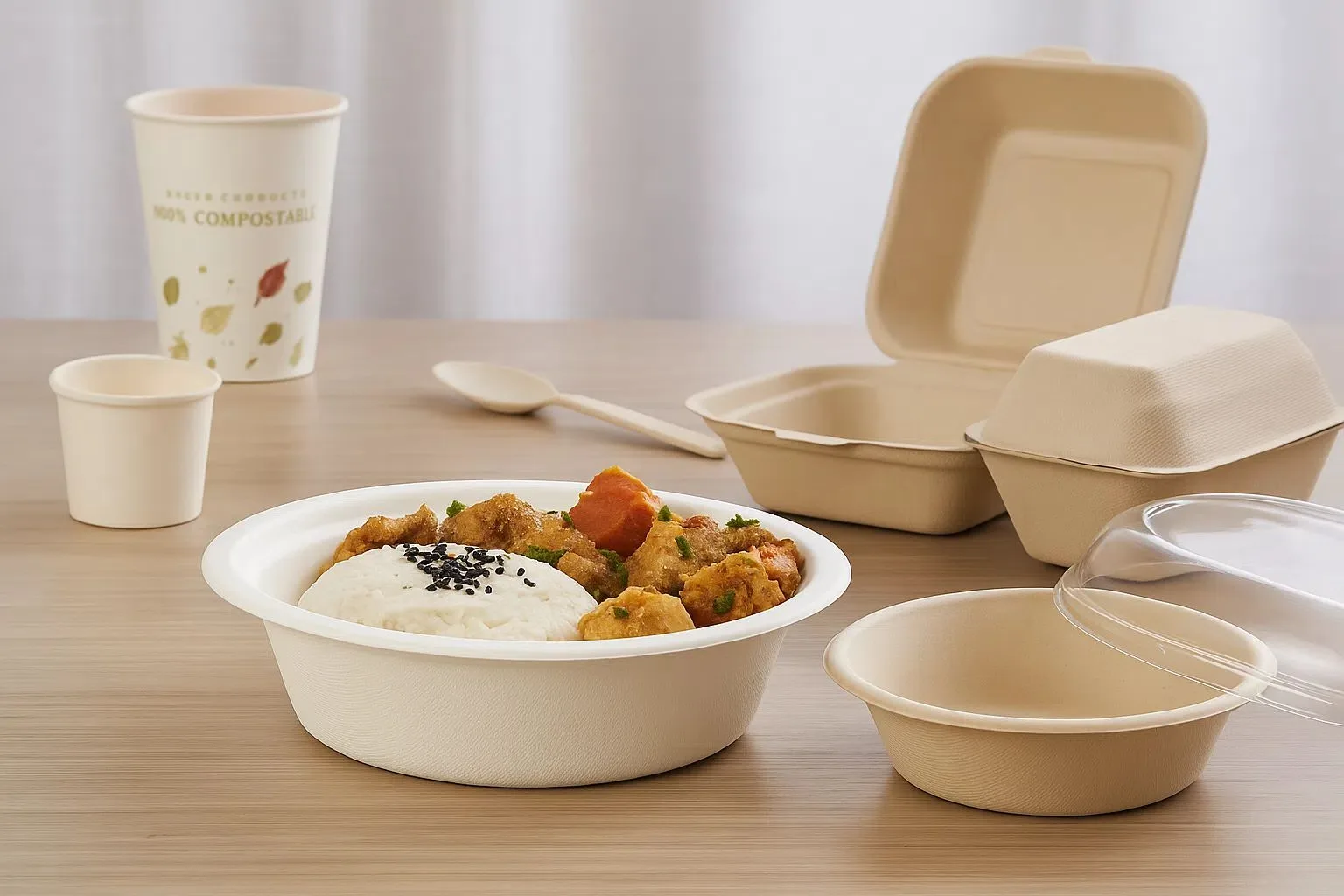
As EPS bans sweep across major U.S. states, Bioleader® (www.bioleaderpack.com) offers a robust, compliant solution for businesses seeking eco-conscious replacements. Our flagship molded pulp line, including the bagagsse bowl、bagasse plates and bagasse Clamshell box, is made from 100% sugarcane bagasse—a renewable byproduct of sugarcane processing.
Key product features:
Globally manufactured, with stringent quality control aligned to U.S. and EU environmental standards.
Fully compliant with EPS foam bans enacted in states like California, Washington, New York, and Oregon.
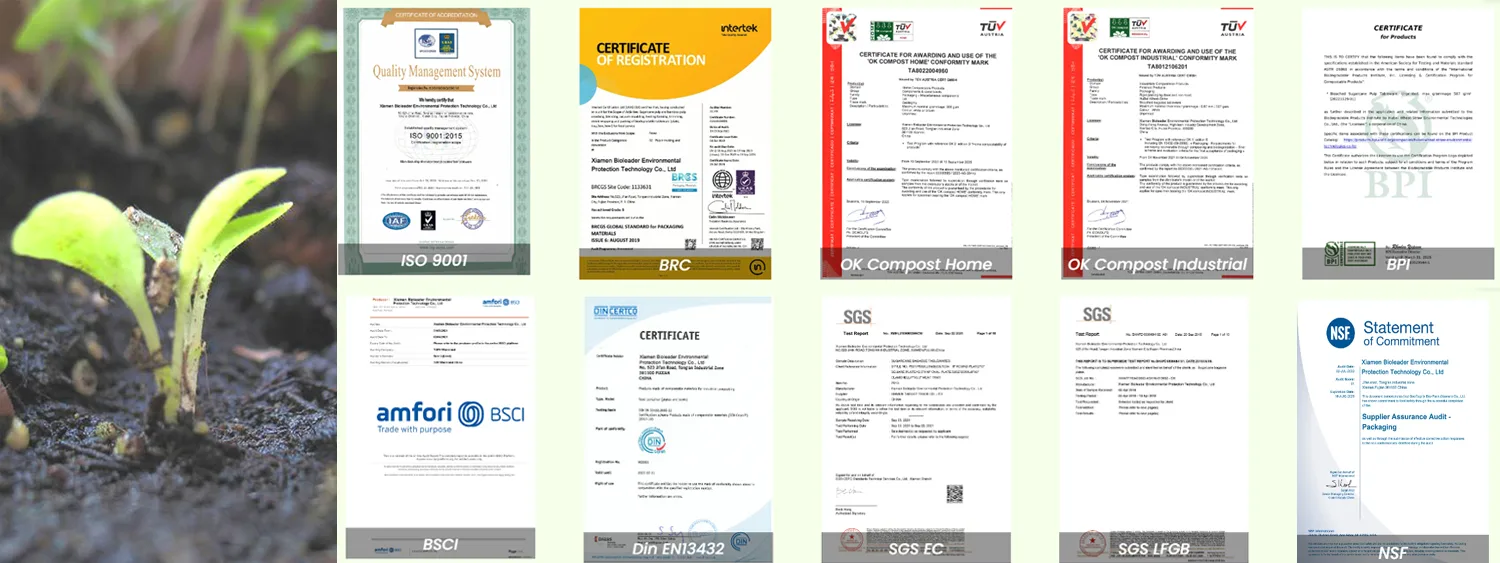
BPI and ASTM D6400 certified compostable, ensuring industrial compost facility compatibility.
PFAS-Free, microwave-safe, freezer-safe, and oil-resistant—making them ideal for hot and cold foodservice.
Supports corporate sustainability goals, with FSC-certified outer cartons and low-carbon production methods.
At Bioleader®, our commitment goes beyond manufacturing. We support partners with:
Custom printing with compostable inks
Private labeling programs
Eco-branding resources and compliance documentation
Whether you’re a wholesaler, restaurant group, or food packaging distributor, Bioleader® equips you to navigate upcoming bans with certified, scalable, and sustainable packaging solutions.
FAQs
“Which states have banned Styrofoam containers?”
⇒ As of May 2025, 12 states (MD, ME, VT, NY, NJ, CO, VA, WA, OR, RI, DE, CA) have enacted EPS bans.“When do Styrofoam bans take effect in Washington state?”
⇒ Final foodware ban took effect on June 1, 2024, with exemptions for medical containers and packaging.“Is polystyrene recyclable?”
⇒ Technically recyclable via pyrolysis or densification, but not accepted in most curbside systems; national recycling rates remain under 10%.“What are Styrofoam alternatives for food containers?”
⇒ Popular substitutes include bagasse, bamboo, molded pulp, CPLA/PLA, and bioplastics like mushroom or seaweed composites.“Will there be a national ban on Styrofoam?”
⇒ The Farewell to Foam Act proposes a federal ban effective January 1, 2026.
Conclusion
The mounting state-level bans on polystyrene foam—from Maryland to California—and the likely arrival of the Farewell to Foam Act, are reshaping the landscape of single-use packaging in America. These actions reflect a broader movement to reconcile convenience with environmental responsibility.
Businesses must pivot quickly—embracing certified, plant-based alternatives and navigating evolving regulations. Consumers, in turn, drive demand for sustainable options and participate in policy implementation.
Bioleader® is positioned to lead in this transition. With BioPlate™ and other certified compostables, we offer immediate compliance alongside performance and environmental integrity.
As these policies proliferate, they echo a powerful message: packaging shouldn’t sacrifice our planet for convenience. EPS is on its way out; sustainability is the future.
References:
“Phase-out of polystyrene foam”, Wikipedia (https://en.wikipedia.org/wiki/Phase-out_of_polystyrene_foam)
“US states ban Styrofoam packaging”, Packaging Gateway (https://www.packaging-gateway.com/news/us-states-ban-styrofoam-packaging-2025)
Susanne Rust, LA Times, “Is the plastic industry trying to kill SB54…” (https://www.latimes.com/environment/story/2023-02-15/styrofoam-ban-california-sb54)
Environment America – “The problem with polystyrene foam” (https://environmentamerica.org/articles/ban-polystyrene/)
CEH.org – “Substituting Styrofoam in takeout food packaging” (https://ceh.org/story/pfas-styrofoam-alternatives)
The Sun – “Washington bans foam foodware state-wide” (https://www.thesun.com/news/8932149/washington-bans-styrofoam-foam-takeout-2024/)
Packaging Dive – “The Farewell to Foam Act” (https://www.packagingdive.com/news/us-congress-foam-ban-bill-introduced/)