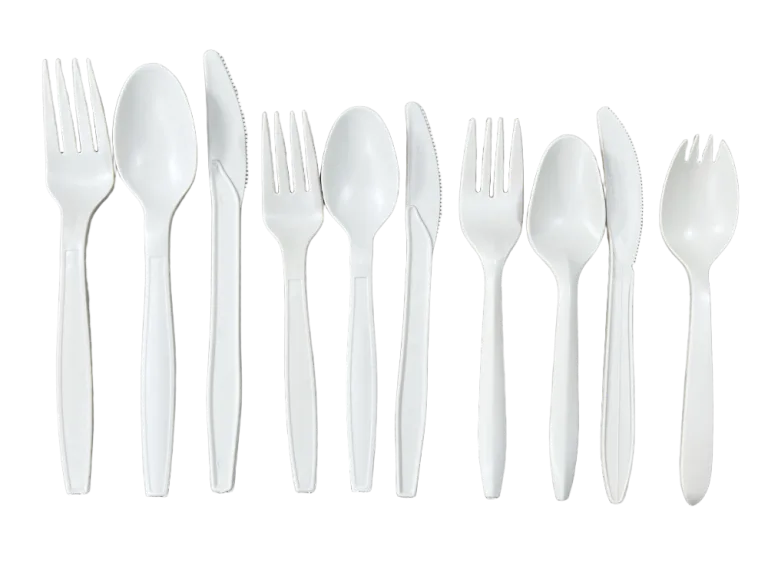
FAQ of Bioleader's Eco-friendly Disposable Tableware
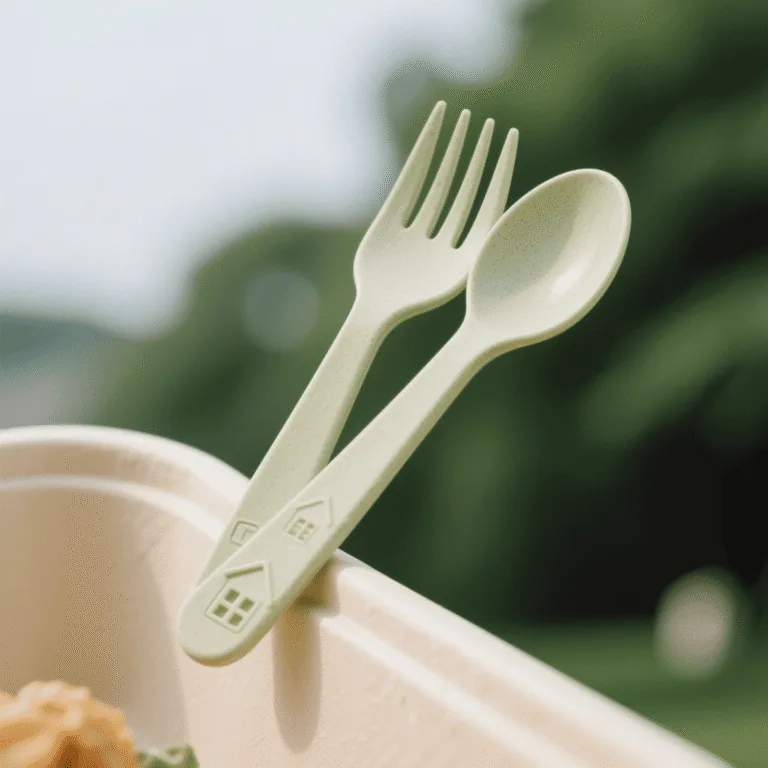
What features do biodegradable disposable spoons and forks offer?
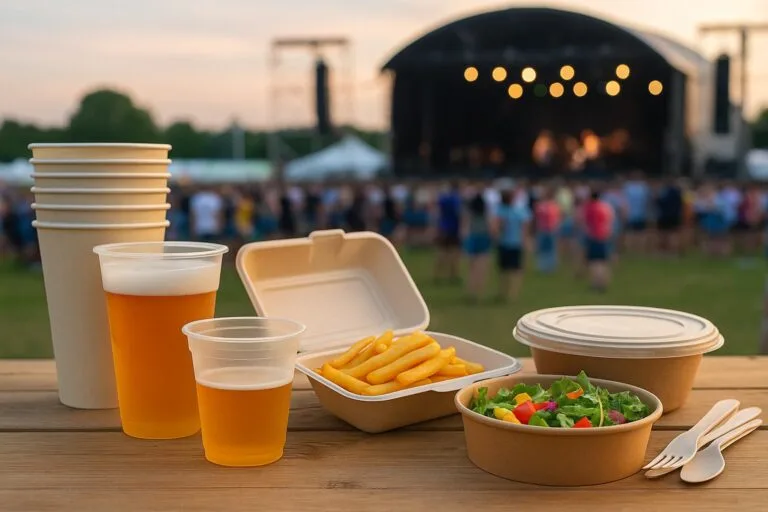
With customizable packaging options and a range of features such as heat resistance, safety, and cost-effectiveness, they cater to various uses—from outdoor events to everyday dining.
Can PLA spoons be customized for business branding?
Absolutely. PLA spoons can be ordered with customizable packaging and logo printing to support branding for restaurants, catering, and food delivery businesses — Zero-Waste Lifestyle.
How long does it take for eco-friendly cutlery to decompose?
Under industrial composting conditions, most eco-friendly cutlery decomposes within 90 to 180 days, depending on the material and local composting standards.
Why Is It a Valuable Resource?
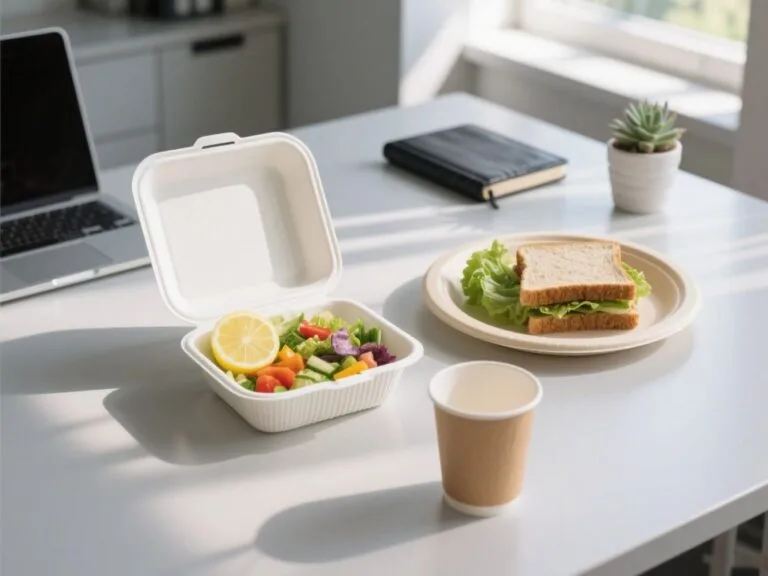
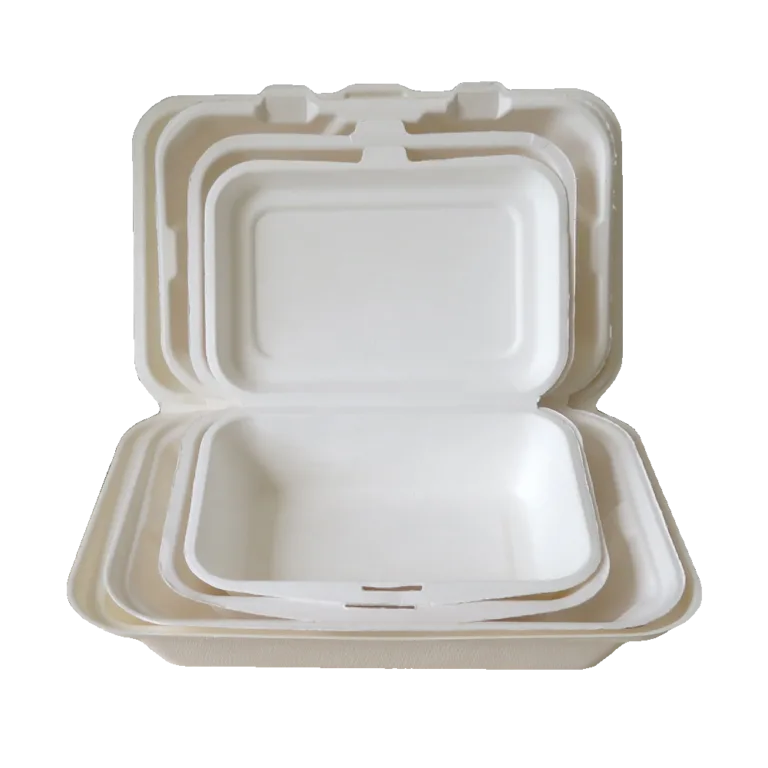
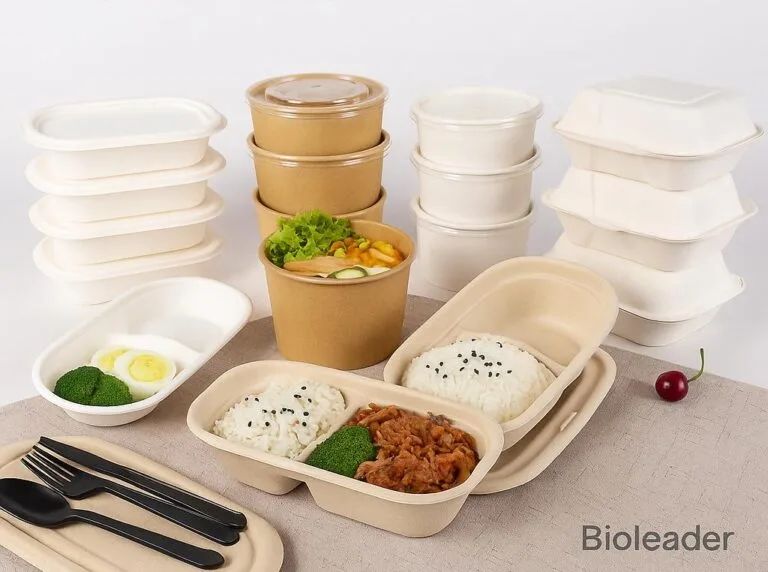
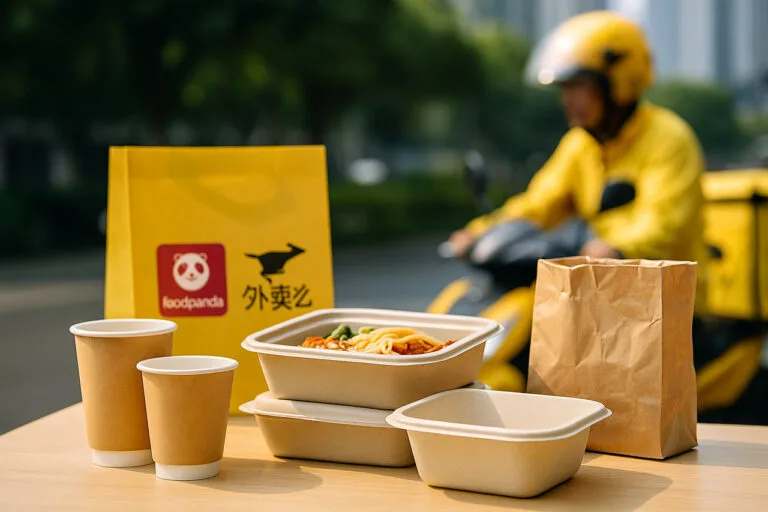
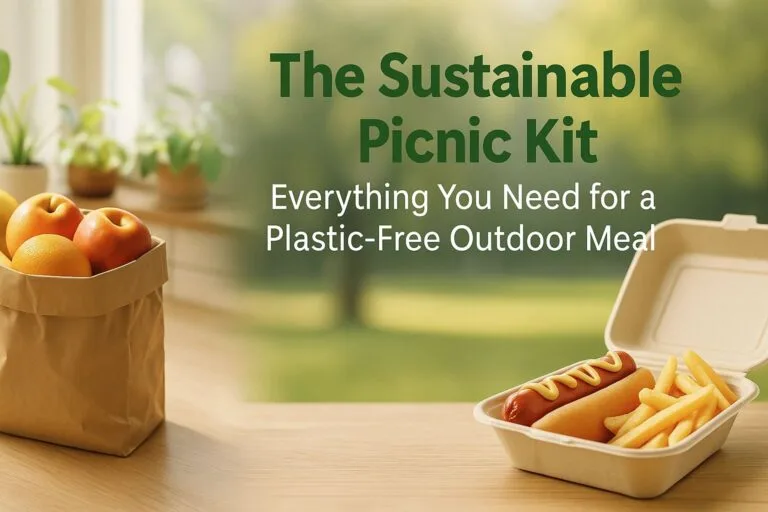
The abundance of sugarcane in agriculture provides an almost limitless supply of bagasse, making it a cost-effective and sustainable material for replacing single-use plastics. Sugarcane Bagasse Clamshell Boxes What Are Sugarcane Bagasse Clamshell Boxes? Sugarcane bagasse clamshell boxes are disposable containers crafted from fibrous sugarcane , Zero-Waste Lifestyle. The sugarcane bagasse shreddings are molded into clamshell boxes that are heatproof and will decompose in short durations, making them perfect for food takeaways and takeout — Zero-Waste Lifestyle.
What is the carbon footprint of cornstarch vs plastic tableware?
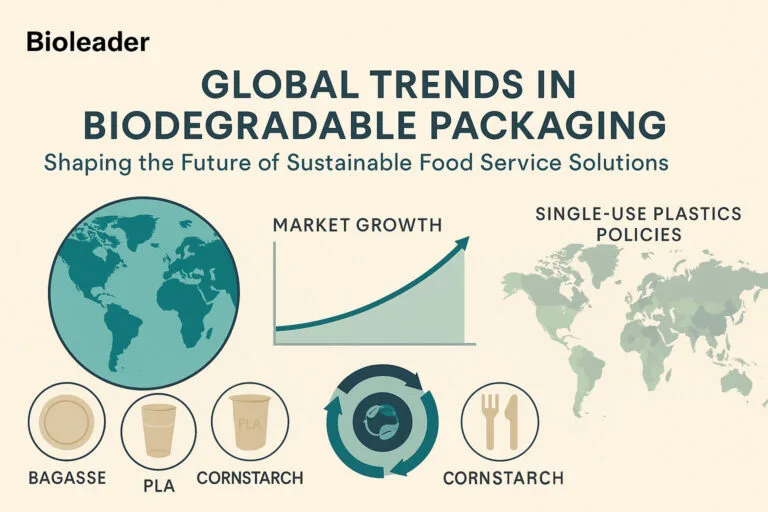
Cornstarch tableware has a lower carbon footprint due to plant-based sourcing and faster decomposition, while plastic manufacturing emits more CO₂ and creates lasting waste.