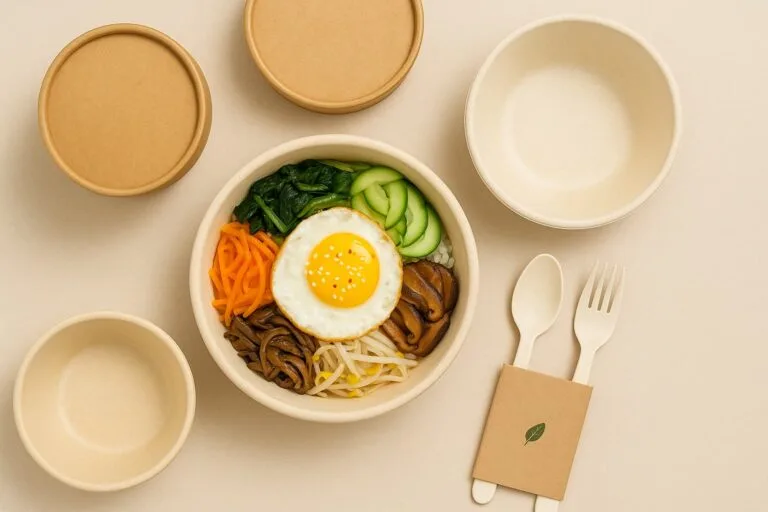
FAQ of Bioleader's Eco-friendly Disposable Tableware
How long does BPI compostable cutlery take to decompose?
Under commercial composting conditions, BPI compostable cutlery typically decomposes within 90 to 180 days, depending on local facility standards and materials used.
Can compostable sporks be customized for branding?
Absolutely , sandwich clamshell packaging. Many manufacturers offer full customization of compostable sporks, including packaging design, logo printing, and size variations to meet branding needs.
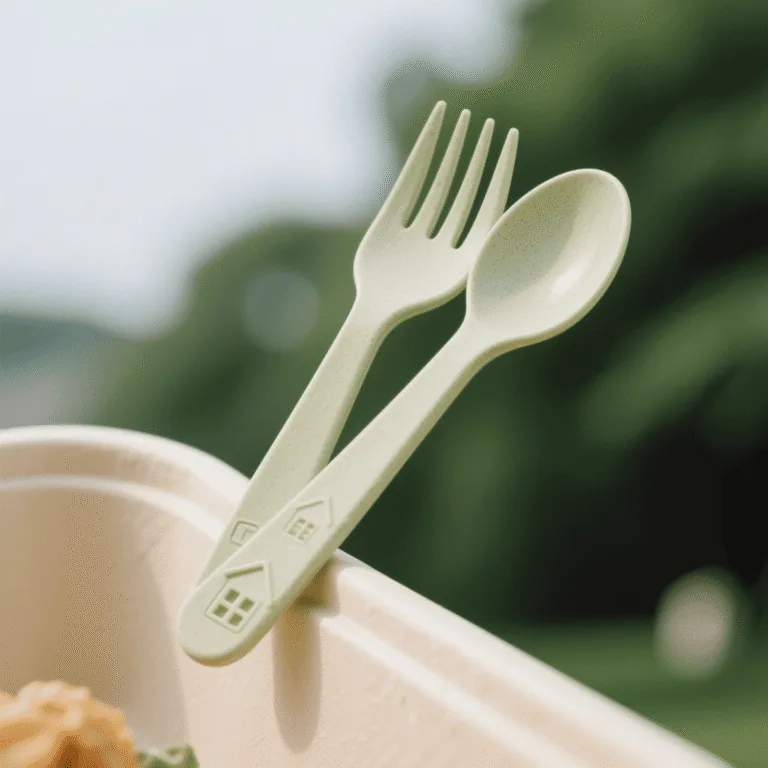
What are environmentally friendly cutlery made from?
Environmentally friendly cutlery is typically made from renewable plant-based materials such as cornstarch, PLA, or sugarcane, making them biodegradable and compostable , sandwich clamshell packaging.
How to Implement Cornstarch Containers:
Tips: Provide instructions to customers about proper disposal, emphasizing that these containers should be composted where facilities exist — sandwich clamshell packaging. Techniques: When ordering cornstarch-based packaging, request a performance test if you plan to package very hot foods or liquids. This ensures the container will hold up. Best Practices: Brand them as compostable to distinguish from conventional plastics and encourage responsible consumer behavior.
1.1 PET, PP Plastic Clamshell Packaging (Blister)
PET (Polyethylene Terephthalate) and PP (Polypropylene) are among the most common plastics used for clamshell containers. These materials are popular in the food industry due to their clarity, durability, and ability to protect contents from moisture and contaminants. Common Uses: PET or PP clamshell blister packaging is frequently used for fruit clamshell packaging (blueberries, strawberries), vegetable assortments, bakery products (cupcakes), sandwiches, and more. Their transparent nature (clear plastic clamshell containers) allows consumers to view the product before purchase, increasing trust and the likelihood of sale.