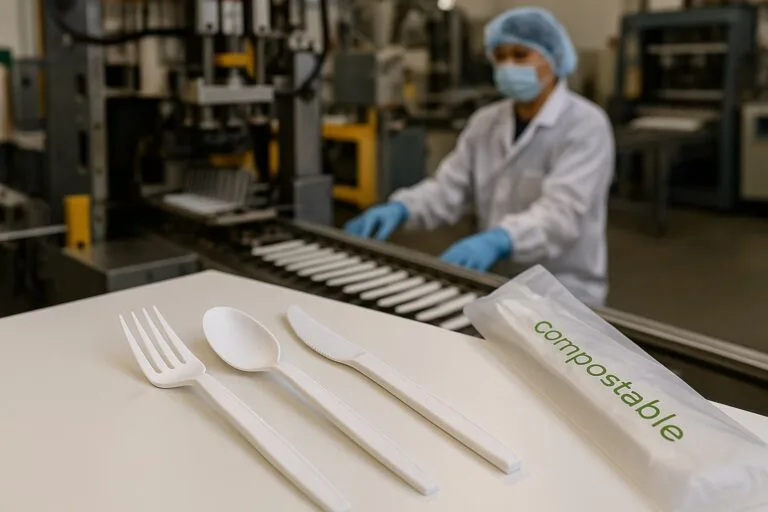
FAQ of Bioleader's Eco-friendly Disposable Tableware
2. Are trays with lids suitable for both hot and cold meals?
Yes , eco-friendly bagasse tableware. High-quality eco trays are heat-resistant up to 120°C and freezer-safe. They’re ideal for packing hot dishes like rice and curries or cold items like salads, desserts, and refrigerated meals.
2. Are takeaway containers with lids microwave-safe?
Yes, many takeaway containers—especially those made from sugarcane bagasse or microwave-safe plastics—are designed to withstand high temperatures. Always check the specific material to ensure safe reheating.
Eco-Conscious Restaurant Packaging
For food brands moving away from plastic or foam, this product provides a visible packaging upgrade. It signals a cleaner and more responsible choice to end customers. Bagasse vs Plastic vs Foam Comparison Item Sugarcane Bagasse Container Plastic Container Foam Container Material Origin Renewable plant fiber Petroleum-based Petroleum-based Sustainability Image Strong Moderate to weak Weak Compostable Potential Yes, under suitable composting systems No No Microwave Use Generally suitable Depends on resin type Often questioned Heat Performance Good for hot meals Varies Limited in perception Oil Resistance Good Good Good Structural Feel Natural, rigid, premium Smooth, functional Light but lower-end feel Market Perception Modern eco packaging Conventional Outdated in many markets Policy Trend Alignment Stronger Under pressure Highest restriction risk Cost Level Medium to moderately high Medium Low Main Advantage Sustainable and brand-positive Familiar and versatile Cheapest option Main Limitation Higher cost than foam Fossil-based image Poor environmental positioning Buying Guide Choosing the right 9″x9″ sugarcane food container is not only about matching size. Buyers should also assess food type, tray strength, lid fit, transport performance, and how the package reflects brand values in the market.
What is sugarcane bagasse used for?
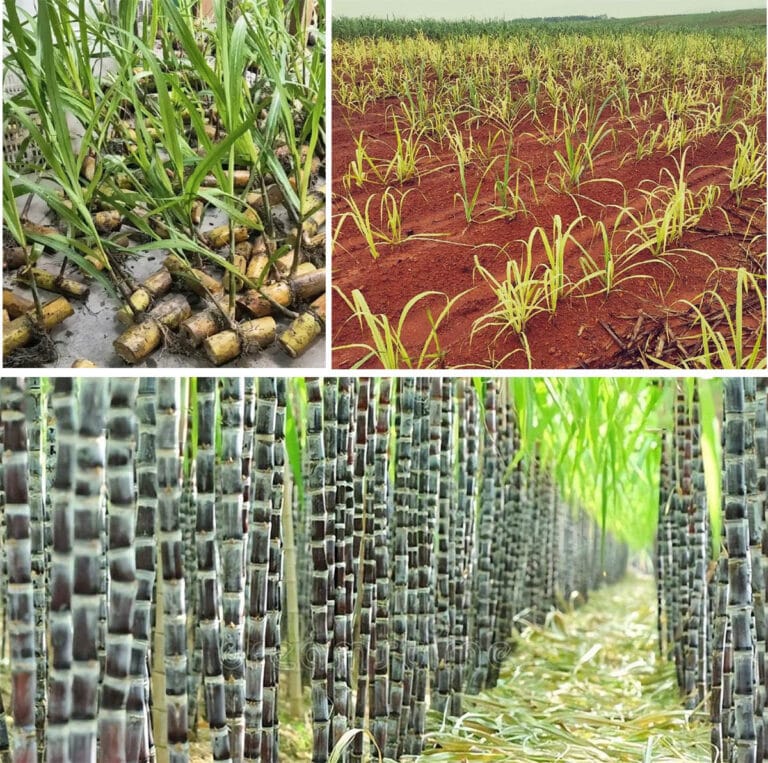
Sugarcane bagasse, the fibrous residue left after juice extraction, is used in various eco-friendly products , eco-friendly bagasse tableware. It is utilized in the production of biodegradable tableware, packaging materials, and paper products, serving as a sustainable alternative to traditional materials — eco-friendly bagasse tableware.
How is bagasse contributing to sustainability?
Bagasse contributes to sustainability by providing a renewable and biodegradable raw material. It reduces waste from sugarcane processing and offers eco-friendly alternatives to plastic and wood-based products, helping to decrease environmental pollution.