FAQ of Bioleader's Eco-friendly Disposable Tableware
Can businesses customize BPI compostable cutlery packaging?
Absolutely. BPI compostable cutlery offers customizable packaging options, including logo printing and tailored designs to support branding and marketing needs.
What are compostable plastic spoons and forks made of?
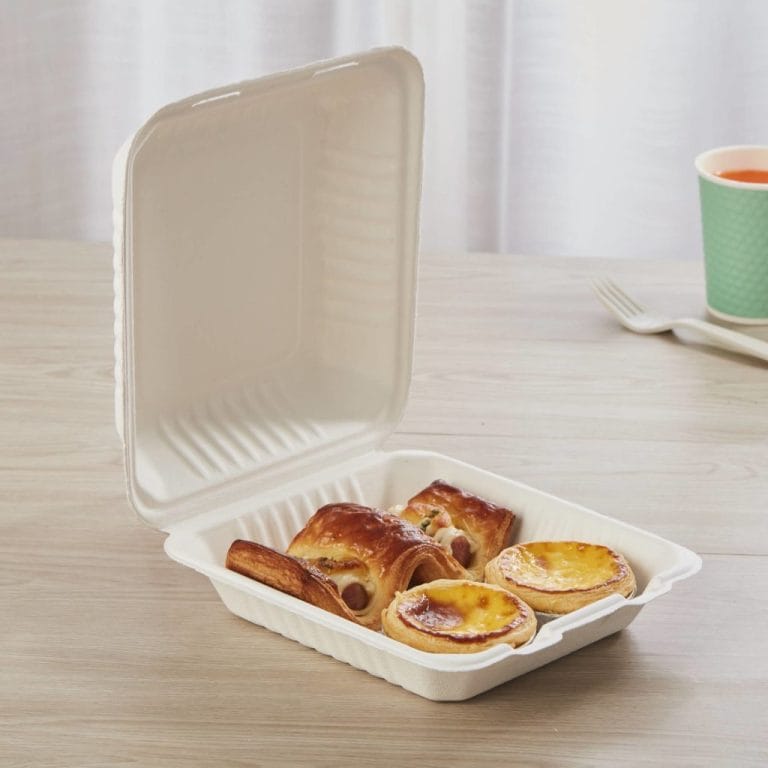
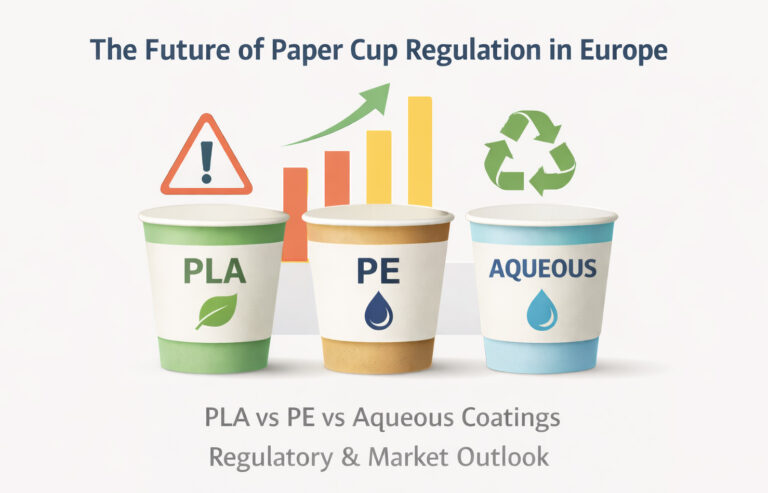
Compostable plastic spoons and forks are typically made from plant-based materials such as cornstarch, PLA (polylactic acid), or CPLA. These materials are biodegradable and designed to break down into natural elements in composting environments — compostable waste.
What features do biodegradable disposable spoons and forks offer?
With customizable packaging options and a range of features such as heat resistance, safety, and cost-effectiveness, they cater to various uses—from outdoor events to everyday dining.
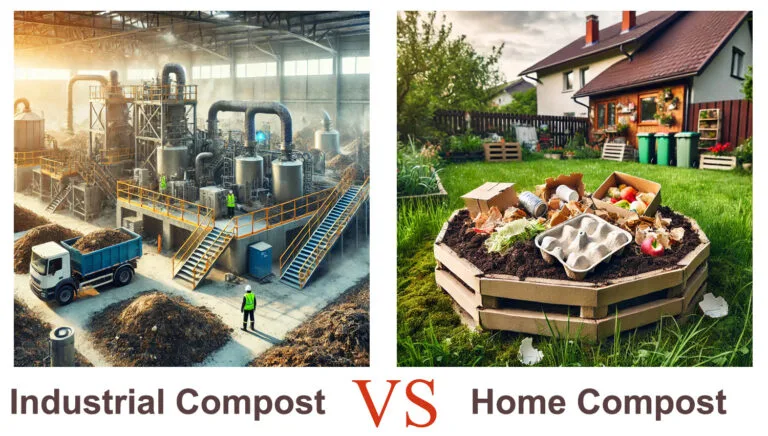
How Home Composting Works
Layering: A balanced mix of green waste (food scraps, grass clippings) and brown waste (dry leaves, cardboard, paper) is added , compostable waste. Aeration: The compost pile is turned regularly to ensure oxygen circulation. Moisture Control: Water is occasionally added to maintain an optimal moisture level , compostable waste. Decomposition: Microorganisms break down the materials over several weeks to months, creating nutrient-rich compost.
Comparison Table: Industrial vs. Home Composting
Feature Industrial Composting Home Composting Eco-Friendliness High, as it diverts large amounts of waste from landfills High, but limited to household waste Convenience Requires access to commercial composting facilities Can be done at home with a compost bin 100% Biodegradable Yes, in optimal conditions Yes, for natural materials Decomposition Time Few weeks to months Several months to a year Decomposition Conditions High temperature, moisture, aeration Lower temperature, natural breakdown How to Identify If a Product Is Compostable? Identifying compostable products is essential to ensuring they break down as intended. Here are key indicators: