FAQ of Bioleader's Eco-friendly Disposable Tableware
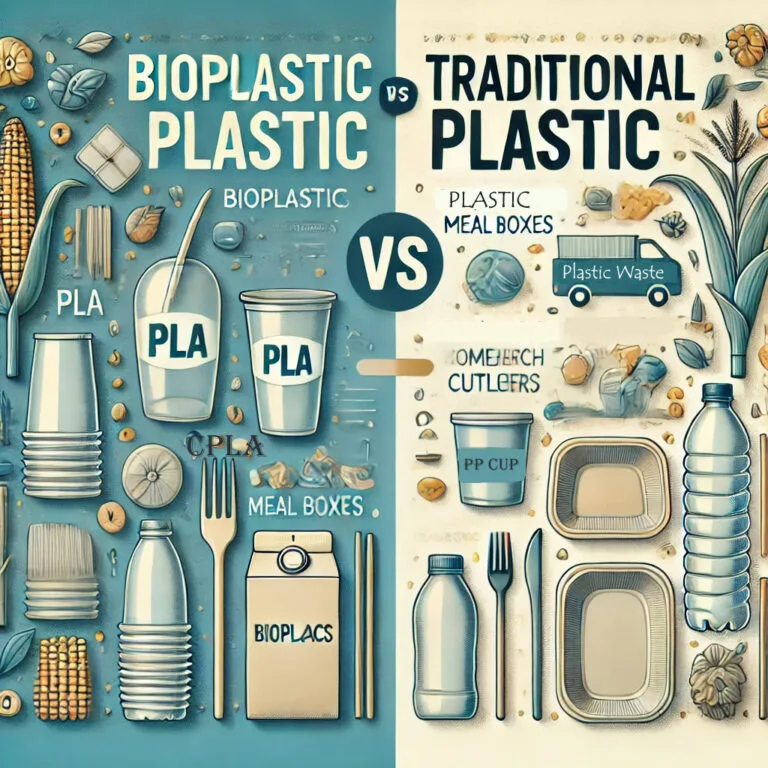
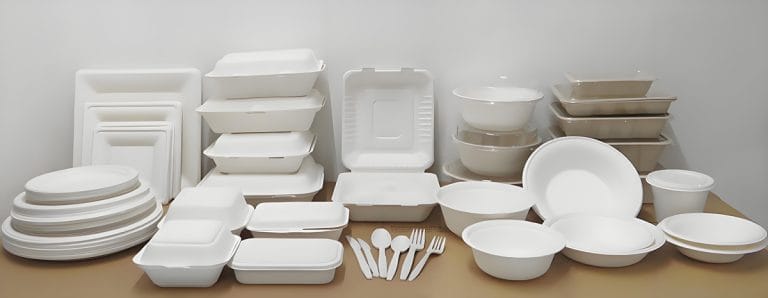
Why should businesses switch to bio plastic cutlery?
Switching to bio plastic cutlery helps reduce plastic waste, supports sustainability initiatives, meets consumer demand for eco-friendly products, and enhances brand reputation , compostable technology.
Why should businesses switch to earth friendly disposable cutlery?
Switching to earth friendly disposable cutlery helps reduce plastic waste, meets eco-conscious consumer demand, and positions a business as a leader in sustainability.
How long does it take for these utensils to decompose?
Under industrial composting conditions, earth friendly disposable utensils typically decompose within 90 to 180 days, depending on the material and facility.
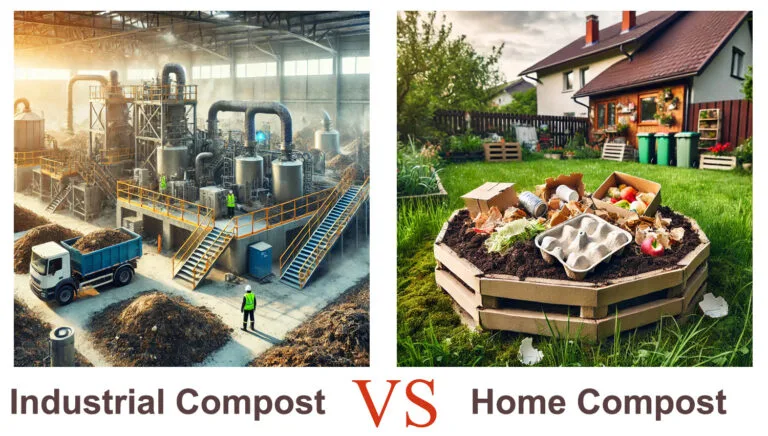
How Home Composting Works
Layering: A balanced mix of green waste (food scraps, grass clippings) and brown waste (dry leaves, cardboard, paper) is added — compostable technology. Aeration: The compost pile is turned regularly to ensure oxygen circulation. Moisture Control: Water is occasionally added to maintain an optimal moisture level — compostable technology. Decomposition: Microorganisms break down the materials over several weeks to months, creating nutrient-rich compost.
How Industrial Composting Works
Collection & Sorting: Organic waste and compostable materials are collected and sorted to remove contaminants. Shredding & Mixing: Materials are shredded to increase surface area, ensuring faster breakdown. Composting Phase: The mixture is placed in windrows, aerated piles, or in-vessel systems where temperature, moisture, and oxygen are regulated. Maturation: After several weeks or months, the compost stabilizes and becomes a nutrient-rich soil conditioner.