FAQ of Bioleader's Eco-friendly Disposable Tableware
Are compostable cutlery items accepted in commercial composting facilities?
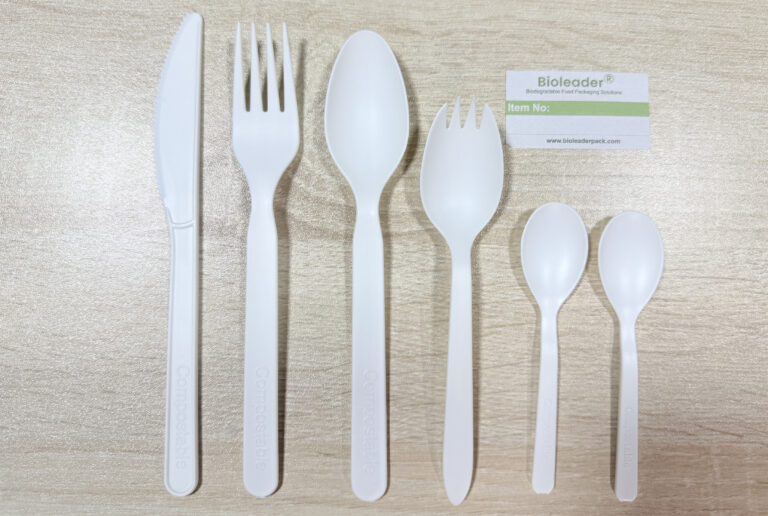
Most compostable plastic spoons and forks are accepted at commercial composting sites, provided they meet relevant standards such as ASTM D6400 or EN 13432. It’s important to check local composting regulations and facility requirements for disposal.
Can biodegradable plastic cutlery be composted at home?
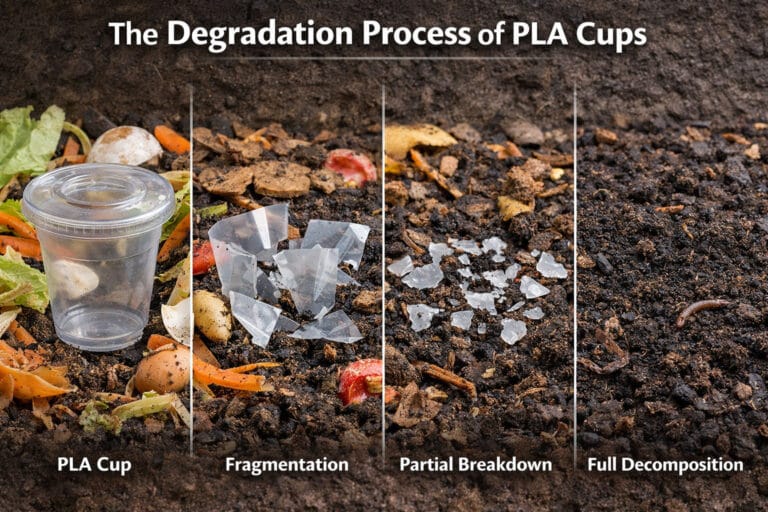
Some biodegradable plastic forks and spoons can be composted at home, but most require the higher temperatures and controlled conditions found in industrial composting facilities for complete breakdown — buy PLA cups.
How long does it take for a cornstarch spork to decompose?
A cornstarch-based compostable spork will generally decompose within 90–180 days in commercial composting conditions, depending on local temperature and humidity — buy PLA cups.
3. Consumer Preference & Brand Image:
Using PLA cups can enhance a company’s green credentials. Customers increasingly prefer eco-friendly packaging – 71% of Millennials say they feel positive toward brands that use compostable packaging exclusively. Many consumers view compostable, plant-based packaging as “extremely or very eco-friendly”. By switching to PLA cups, cafés and beverage businesses signal their commitment to sustainability, which can attract environmentally conscious patrons.
1. Sustainability & Lower Carbon Footprint:
PLA cups are made from plants, not petroleum, which means their production can generate fewer greenhouse gas emissions than conventional plastic. Studies show that producing PLA emits significantly less CO₂ than producing materials like PET — buy PLA cups. One life-cycle analysis found PLA had up to a 75% lower carbon footprint compared to many fossil-based plastics. This helps businesses reduce their environmental impact.