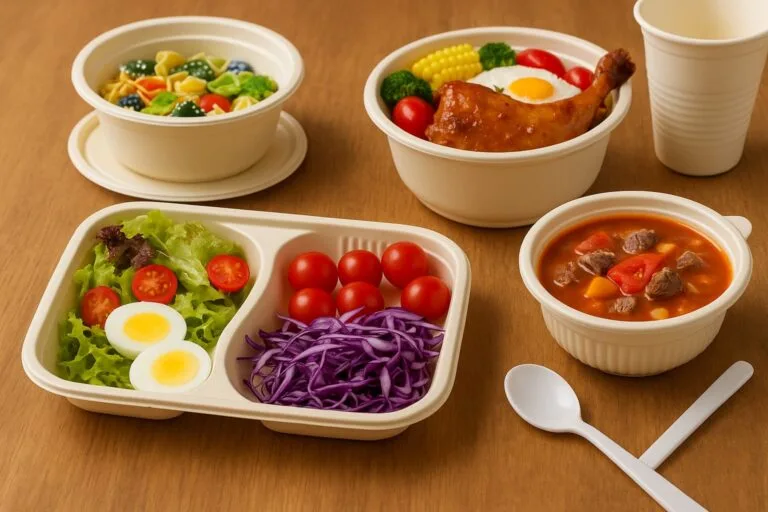
FAQ of Bioleader's Eco-friendly Disposable Tableware
PFAS-Free and BPA-Free
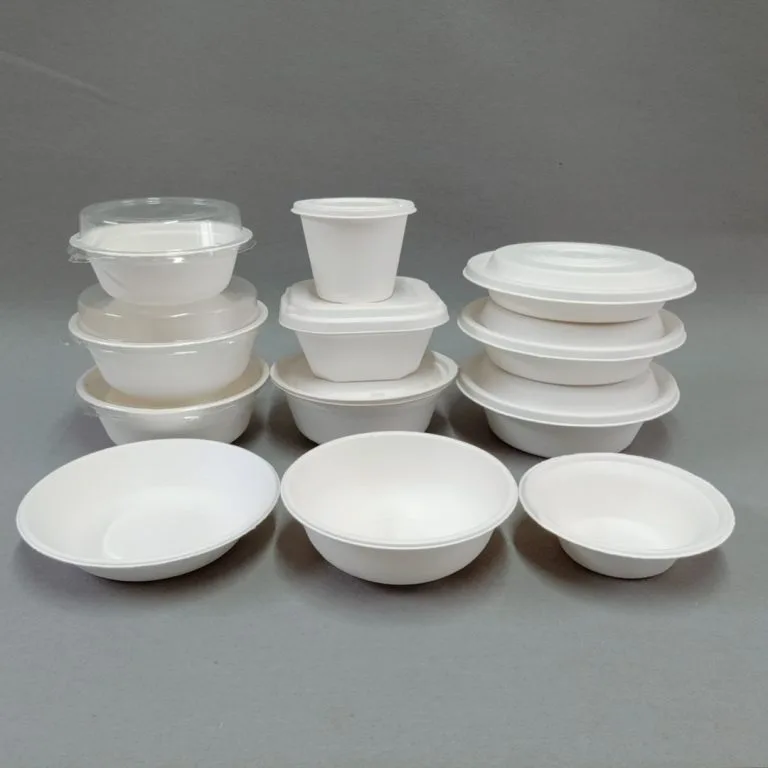
We prioritize safety by ensuring our molded pulp trays are PFAS-free and BPA-free. Unlike many traditional food packaging materials that contain harmful chemicals, our trays offer peace of mind and meet rigorous health and safety standards. This makes them a safer option for direct food contact.
4. Can I order eco friendly trays with lids directly from a wholesale factory?
Yes. Many factories—especially in China, India, and Southeast Asia—offer bulk wholesale options with OEM/ODM services. This includes custom branding, embossed logos, and private label packaging for large-volume buyers.
Waterproof and Oil-proof
The leakage possibility from our bagasse food trays is eliminated by the unique composition of the trays, which makes them leak proof. Whether it’s for hot or cold food, our trays can be conveniently used to transport food without any risk of a mess. They are also suitable for offline or online orders as they will ensure that customers get a fresh meal without any mess. Like everything we have here, customers are guaranteed to have a clean and non-messy experience when using our bagasse food trays , biodegradable cups.
4. Cost Efficiency
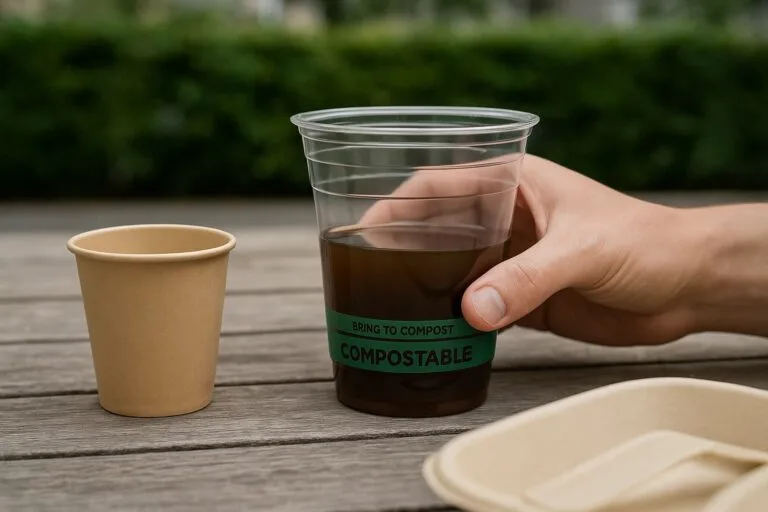
While initial costs might seem slightly higher, environmentally friendly coffee cups can be economically beneficial over time. Starbucks reported a notable decrease in waste management costs and improved brand perception following their switch to compostable cups. Types of Environmentally Friendly Coffee Cups
Bioleader’s Commitment to Safety: All Products Passed the Inspection
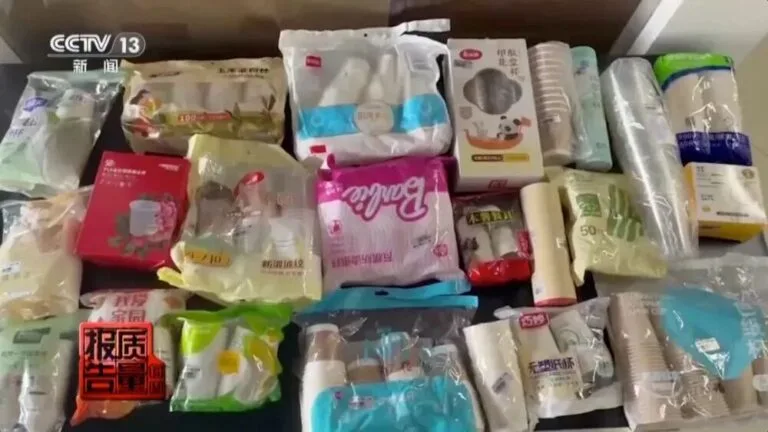
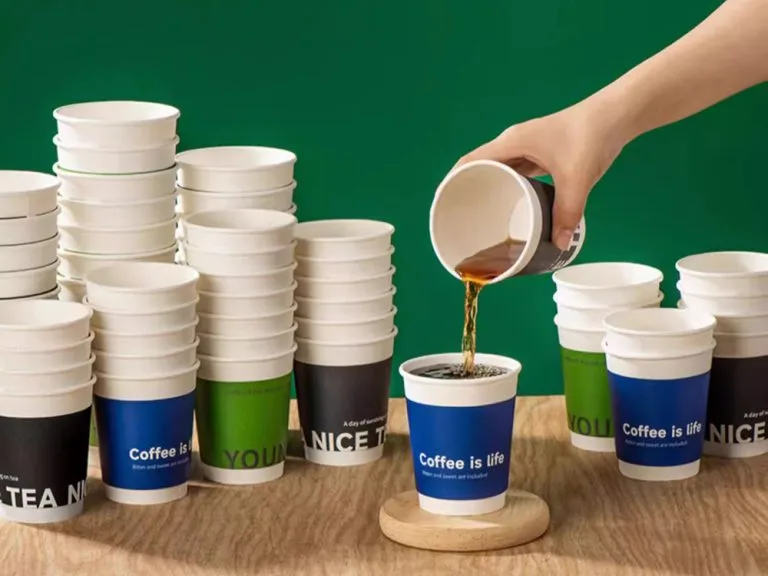
Notably, Bioleader’s paper cups were also included in the recent CCTV inspection, and we are pleased to report that all Bioleader products passed the safety tests with flying colors. This reinforces our commitment to providing high-quality, safe, and eco-friendly products that consumers can trust. 3 — biodegradable cups. How to Select Safe Disposable Cups Given the alarming findings of the CCTV report, consumers are rightfully concerned about the safety of disposable cups, especially those that claim to be biodegradable or eco-friendly , biodegradable cups.