FAQ of Bioleader's Eco-friendly Disposable Tableware
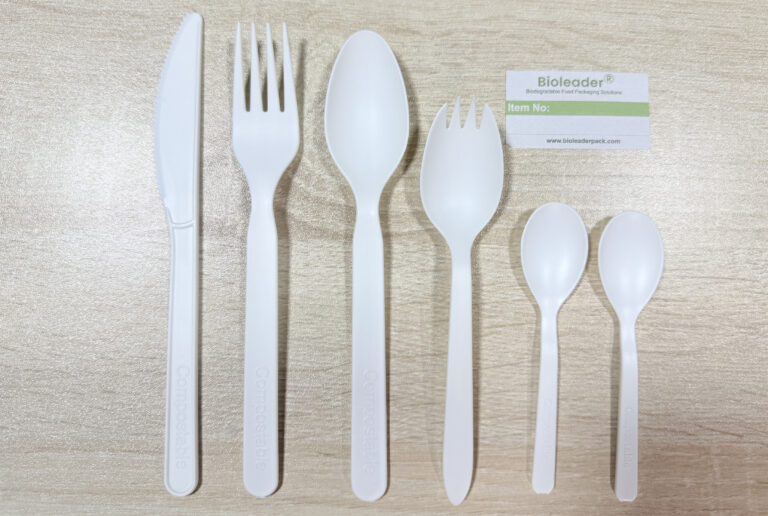
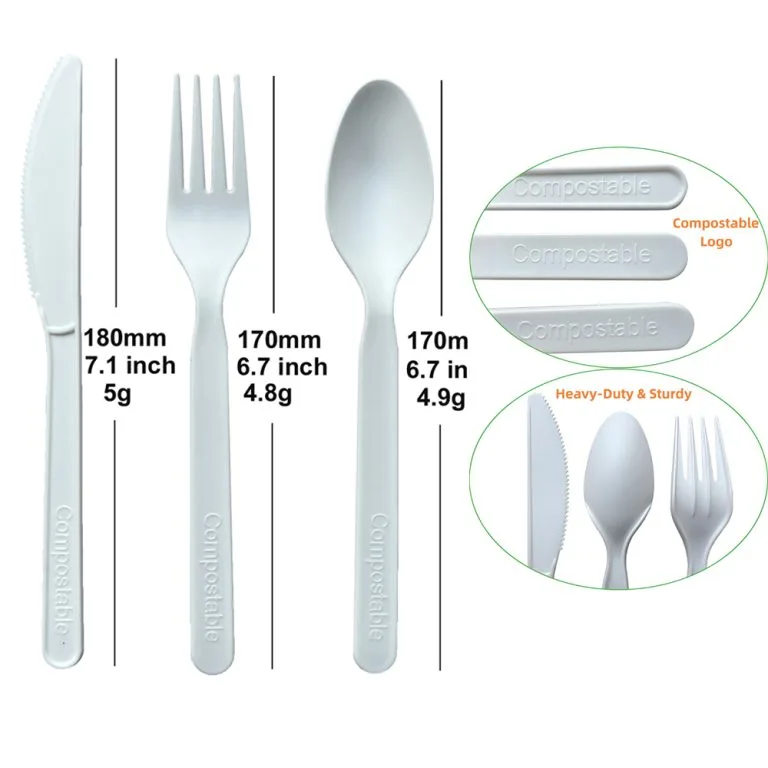
1. Bioleader® CPLA Fork Spoon Knife—(7 inch): Embossed “Compostable” Logo
Item Name / Material Weight Size(mm) PCS/CTN Carton Size(cm) CPLA-02 CPLA Fork 4.8g 7inch/ 170mm 1000 44 18 23.5 CPLA-03 CPLA Spoon 4.9g 7inch/ 170mm 1000 34.5 19 19 CPLA-01 CPLA Knife 5g 7inch/ 180mm 1000 47.5 18 22.5 About CPLA : CPLA (Crystallized Polylactic Acid) represents a derivative of PLA (Polylactic Acid), of which bioplastics can be obtained from easily renewable resources like corn starch or sugarcane. Due to the crystallization process in CPLA, the material’s toughness and heat resistance are increased, allowing this bioplastic to be used for high-temperature applications such as cutlery; otherwise, the regular PLA would soften or deform. Biodegradable and Compostable BPI Certified Eco-Friendly CPLA Utensils : CPLA cutlery is made from plant-based resources like corn starch, BPI-certified 100% industrial-compostable in 90 days, and can break down entirely in industrial composting facilities — bio-based plastics. Each of our Non-plastic fork, spoon, and knife has “compostable” embossed on it.
Can bio plastic cutlery be customized for branding?
Absolutely. Many manufacturers offer customizable options for bio plastic cutlery, including packaging, color, and logo printing to support branding and marketing needs.
Are PLA spoons suitable for hot and cold foods?
Yes, PLA spoons are designed to handle both hot and cold foods — bio-based plastics. They are durable and heat-resistant, making them suitable for various dining and food service applications , bio-based plastics.
Bioplastics
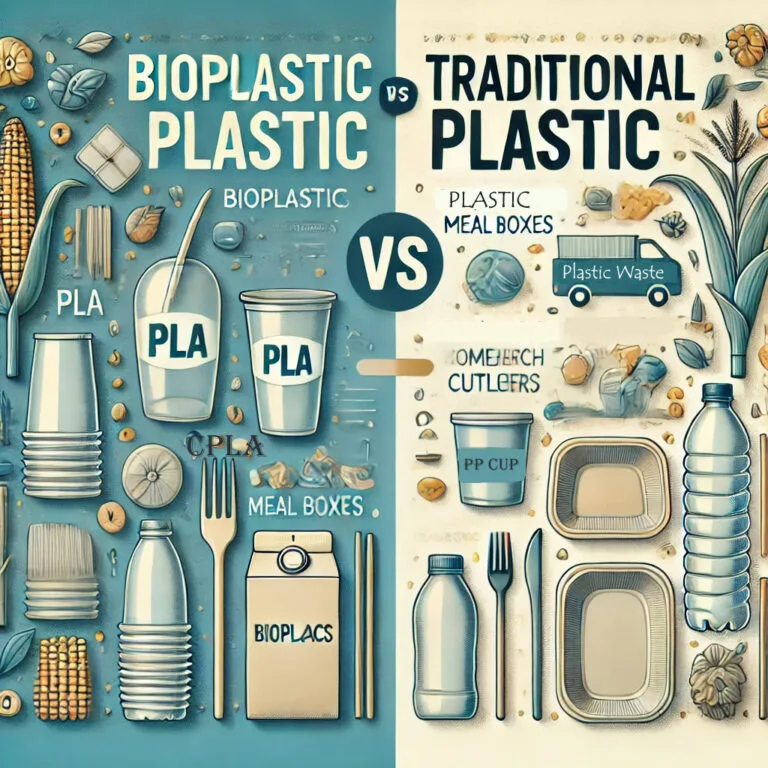
Bioplastics encompass a broad category of materials that are either bio-based, biodegradable, or both. The most common feedstocks include cornstarch, sugarcane, and potato starch, though research has also explored sources like algae and agricultural waste. Some of the well-known bioplastic types are: PLA (Polylactic Acid): Often derived from cornstarch or sugarcane. PLA is widely used for packaging, disposable tableware, and 3D printing filaments.
End-of-Life Scenarios
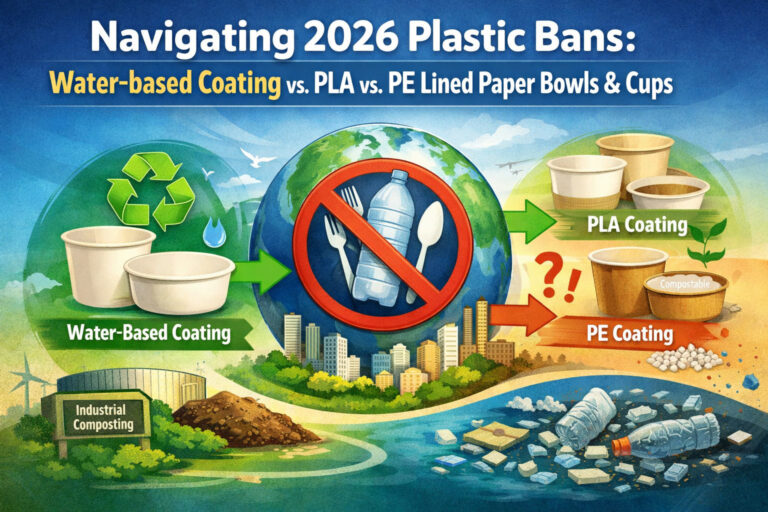
Recycling: Traditional plastics can be recycled mechanically or chemically, but low recycling rates, contamination, and downcycling remain problematic. Bioplastics can sometimes be recycled alongside conventional plastics, but this depends on the type of bioplastic and local recycling infrastructure. Composting: Certain bioplastics (e.g., PLA, starch blends) can be industrially composted under specific conditions—high temperature, controlled humidity, and microbial activity. However, if disposed of in a regular landfill, they may degrade as slowly as conventional plastics, negating much of their environmental advantage.