Federal Policy Rollbacks: A Step Backwards?
In February 2025, President Donald Trump signed Executive Order 14208, reversing previous federal initiatives aimed at phasing out single-use plastics. This order directs federal agencies to discontinue purchasing paper straws and abolish policies that disfavor plastic straw usage, citing inefficiencies and costs associated with paper alternatives. This decision has sparked a wide range of reactions from environmental advocates, business leaders, and local governments across the nation.
This federal reversal raises critical questions about the consistency and effectiveness of environmental protection in the United States. It also highlights a growing divide between national leadership and state or local initiatives in the ongoing challenge to manage plastic pollution and safeguard public and ecological health.

State-Level Initiatives: Pioneering Plastic Reduction
In stark contrast to the federal rollback, numerous states and cities are forging ahead with robust environmental regulations aimed at curbing plastic pollution and promoting sustainability.
New York’s Packaging Reduction Act
New York State recently approved the Packaging Reduction and Recycling Infrastructure Act (S1464), setting ambitious goals to reduce plastic packaging by 30% within 12 years. This act mandates producer accountability via Extended Producer Responsibility (EPR) programs, pushing companies to rethink design, logistics, and lifecycle management of their products. The legislation also establishes new funding mechanisms for recycling infrastructure and greater transparency in waste reporting, aiming to transform the state’s material recovery system in the long run.
Washington’s Recycling Reform
Washington State enacted the Recycling Reform Act (SB 5284), which creates an EPR framework whereby packaging producers fund and manage comprehensive recycling systems. The law sets forth minimum recycled content requirements for certain products, strengthens labeling rules, and establishes an oversight board to monitor compliance and ensure environmental performance. The objective is to significantly reduce unnecessary plastic waste and close the loop for valuable materials.
California’s Ban on EPS Food Containers
California, through its comprehensive SB 54 law, has banned expanded polystyrene (EPS) food service products after failing to achieve a 25% recycling rate by the legislative deadline. This requirement forces a substantial shift toward recyclable or compostable packaging materials. California’s approach also emphasizes environmental justice, prioritizing pollution reduction in disadvantaged communities and setting state-wide mandates for compostability and recyclability of food service ware by 2032.
Richmond’s Plastic Bag Tax
Richmond, Virginia introduced a five-cent tax on single-use plastic bags to incentivize reduced usage and to fund city environmental initiatives. The law, which will take effect in January 2026, is projected to cut plastic bag consumption by millions annually, reflecting a growing trend among U.S. cities seeking fiscal and environmental solutions to plastic litter.
Global Approaches: Lessons from Abroad
Around the world, nations and regions are adopting a variety of strategies to confront the plastic waste crisis. The European Union enacted the Single-Use Plastics Directive in 2021, introducing bans on several common disposable plastic items, imposing producer responsibility for cleanup costs, and requiring design changes to facilitate recycling. Canada has launched a nationwide ban on many single-use plastics, combined with extended producer responsibility systems and aggressive recycling targets. Australia, similarly, coordinates federal, state, and local policies to eliminate problematic plastic products, support new materials research, and strengthen recycling infrastructure.
Some Asian nations, including Japan and South Korea, are focusing on technological innovation—implementing advanced sorting, chemical recycling, and circular economy initiatives to reduce landfill and marine debris. These diverse approaches, tailored to local economic and cultural contexts, demonstrate that progress is achievable through a combination of regulation, innovation, and community engagement. They provide valuable reference points for U.S. policymakers and stakeholders exploring sustainable pathways forward.

Environmental Impact: Mixed Signals and Urgent Concerns
The ongoing divergence between federal and state-level approaches generates both risks and opportunities for environmental progress in the United States. The recent federal rollback increases the likelihood of greater plastic consumption and weaker national leadership, potentially undermining years of advocacy, research, and investment in pollution prevention. Plastic pollution remains a grave threat to marine ecosystems, wildlife, and human health—microplastics have now been found in the most remote parts of the planet, even in drinking water.
In contrast, progressive state policies are delivering measurable results: reductions in plastic bag use, higher rates of recycling, and market signals accelerating the adoption of sustainable packaging solutions. Still, the lack of unified national direction complicates business compliance, limits cross-border consistency, and may delay urgent action at scale.
Implications for Businesses and Consumers
Recommendations for Businesses
- Transition proactively to sustainable packaging options and monitor evolving state regulations.
- Participate actively in Extended Producer Responsibility programs where required or voluntary.
- Invest in consumer education on sustainable practices, product end-of-life, and recycling instructions.
- Collaborate with supply chain partners to reduce packaging waste and meet growing eco-conscious demand.
Recommendations for Consumers
- Prioritize reusable packaging and containers for daily activities and shopping.
- Support businesses that employ sustainable practices, including eco-friendly product lines.
- Stay informed about local and state plastic regulations, including taxes and bans.
- Advocate for more responsible waste management policies within your community.
Economic Opportunities and Challenges Ahead
Opportunities
- The market for sustainable packaging and environmentally friendly alternatives is expanding rapidly. Companies that innovate early may capture new customer segments and reduce regulatory risk.
- Increased consumer awareness is fueling demand for products with lower environmental impact, opening doors for brand differentiation and long-term loyalty.
- Collaboration across sectors—public, private, and nonprofit—can create new value chains for recyclable materials, circular economy solutions, and green jobs.
Challenges
- Regulatory inconsistency from state to state complicates business planning, compliance, and product distribution, especially for national brands.
- Adapting to new requirements may entail upfront costs for research, testing, certification, and supply chain adjustments—potentially straining small and medium enterprises.
- Persistent public confusion around recycling guidelines and eco-labels can hamper efforts to build effective, large-scale circular systems.
Expert Perspectives: Insights into Policy Dynamics
Dr. Judith Enck, President of Beyond Plastics
“State initiatives are increasingly crucial in addressing plastic pollution, particularly when federal leadership is lacking or contradictory. State policies are often more ambitious and closely aligned with community needs.”
Dr. Jenna Jambeck, Professor at University of Georgia
“Local actions against plastic waste contribute significantly to global environmental health. Unified efforts remain vital for impactful progress. We have the science, technology, and public support—the question is whether we will align our systems accordingly.”
Leading institutions such as the Ellen MacArthur Foundation and the World Economic Forum also advocate for integrated, multi-level governance as a prerequisite for eliminating plastic waste and achieving sustainable material flows worldwide.
Bioleader: Leading Sustainable Solutions
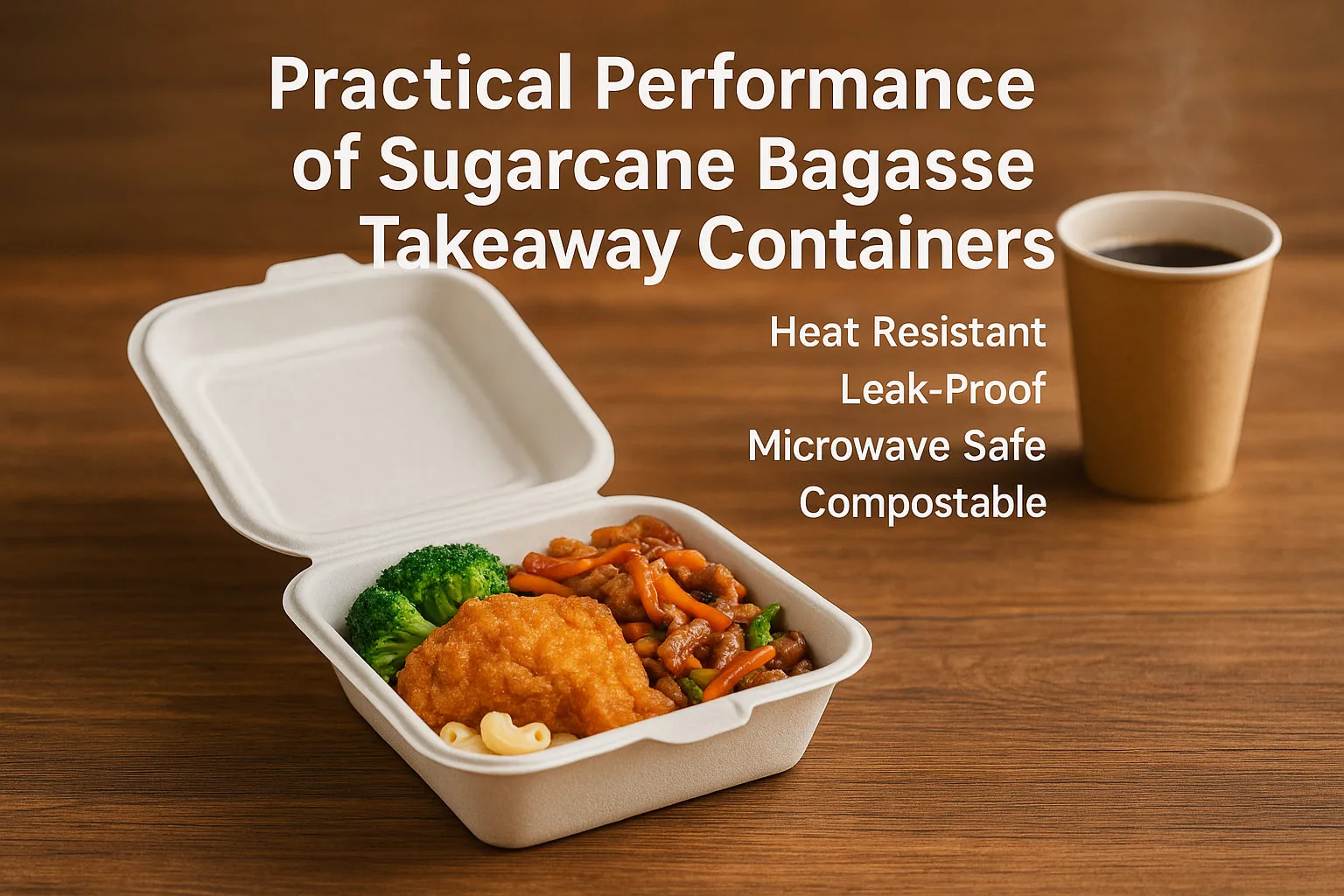
At Bioleader, our commitment to sustainability is unwavering. We provide innovative packaging solutions, including biodegradable food containers, compostable tableware, and molded pulp products, which help businesses effectively comply with stringent state laws such as California’s SB 54 and New York’s S1464.

Our products are distinguished by:
- Complete biodegradability and compostability, with certifications supporting environmental claims.
- Robust compliance with evolving state and city regulations across the U.S. and internationally.
- Consumer-friendly, practical designs suitable for both commercial and household applications.
- Ongoing investment in R&D for the next generation of high-performance, low-impact packaging materials.
Bioleader continues to advocate for environmental sustainability, driving innovation in packaging and contributing positively to the global effort against plastic pollution. For businesses seeking a competitive advantage and genuine sustainability, Bioleader stands as a partner for progress.
Key Questions and Answers (FAQs)
1. What is the impact of the federal rollback on plastic usage?
The rollback could lead to increased plastic usage at the federal level, complicating and potentially undermining state-led efforts to reduce plastic waste. This disconnect makes unified national progress more challenging.
2. How does Extended Producer Responsibility work?
Producers are required or incentivized to fund and manage the recycling infrastructure for their products, encouraging them to design for sustainability and resource efficiency from the outset. EPR aligns economic and environmental incentives.
3. What packaging alternatives can businesses consider?
Biodegradable materials, reusable containers, compostable products, and advanced sustainable packaging solutions such as molded fiber, starch-based plastics, and water-based coatings.
4. Why are states implementing their own plastic regulations?
States seek to fill gaps left by federal policy and respond directly to local environmental challenges. Their regulations reflect specific waste management capacities, consumer behaviors, and political priorities.
5. How can consumers influence plastic policy?
Consumers can drive change through purchasing decisions, advocacy, and by supporting businesses that demonstrate responsible environmental practices. Individual and collective actions matter.
Conclusion
The ongoing tension between federal policy rollbacks and proactive state initiatives underscores the complexities and challenges surrounding U.S. plastic use regulations. Businesses, consumers, and government agencies all play critical roles in shaping the future. By prioritizing innovation, collaboration, and sustainability, the United States can harness both economic and environmental opportunity—despite divergent policy approaches. Ultimately, effective plastic pollution mitigation and environmental stewardship will require commitment and cooperation at every level of society.
References
- The White House. “Executive Order 14208: Ending Procurement and Forced Use of Paper Straws” (2025). https://www.whitehouse.gov/
- New York State Senate. “Bill S1464: Packaging Reduction and Recycling Infrastructure Act”. https://www.nysenate.gov/
- Washington State Legislature. “SB 5284: Recycling Reform Act”. https://app.leg.wa.gov/
- California State Legislature. “SB 54: Polystyrene Ban and Packaging Reform”. https://leginfo.legislature.ca.gov/
- Richmond City Council. “Plastic Bag Tax Initiative”. https://www.rva.gov/
- Enck, Judith. “The Plastic Policy Gap: State Innovation in the Face of Federal Rollbacks.” Beyond Plastics (2025). https://www.beyondplastics.org/
- Jambeck, Jenna. “Plastics and Global Waste Management.” University of Georgia Environmental Engineering Department. https://www.engineering.uga.edu/
- European Commission. “Directive (EU) 2019/904 on the Reduction of the Impact of Certain Plastic Products on the Environment.” https://environment.ec.europa.eu/
- Bioleader Official Website. “Sustainable Packaging Solutions.” https://www.bioleaderpack.com/