

How are small cornstarch spoons different from plastic?
Cornstarch spoons use plant-based bioplastic instead of fossil plastic. They look and perform like traditional tasting spoons, but contain renewable content and can be sent to industrial composting or controlled waste-to-energy instead of long-term landfill.
Why do dessert brands upgrade to 125mm biodegradable spoons?
125mm (4.5–5 inch) spoons are the sweet spot for cakes, jelly, ice cream and yogurt cups: short enough to fit in small tubs, long enough for comfortable grip, with reduced plastic footprint and stronger alignment with ESG and brand sustainability goals.
What should buyers check before switching?
Confirm heat-resistance (typically up to about 80°C / 176°F), stiffness, food-contact compliance (EU, FDA or LFGB) and real production capacity. For multi-store or retail chains, stable monthly output and carton-pack optimization are as critical as “eco” claims.
Option trade-offs: cornstarch vs. paper vs. wood spoons
Cornstarch spoons are smoother and more comfortable in the mouth than wood, and more resistant to softening than paper. Wood emphasizes “natural” grain but can feel rough; paper may lose strength in wet desserts. Cornstarch offers a balanced solution for premium desserts and branded concepts.
Key considerations for procurement and private label
Decide early on spoon color (natural, white or custom), packaging format (loose bulk, polybag, box) and whether you need logo embossing or full private label. Align spoon length and portion size with cup volume (80–300 ml) to avoid mismatch between dessert format and cutlery.
Trend & regulation insight
As more countries restrict single-use plastic cutlery, buyers are shifting to certified compostable options such as cornstarch or CPLA. Positioning “biodegradable dessert spoons” in your assortment supports compliance, retailer requirements and consumer expectations for greener foodservice packaging.
Bioleader® small biodegradable spoons are designed specifically for cakes, jelly, ice cream, mousse and yogurt portions in the 80–300 ml range. With an approximate length of 125 mm (4.5–5 inch), they are compact enough for dessert cups yet long enough for a comfortable grip and premium in-hand feel.
These spoons are produced from plant-based cornstarch bioplastic, offering a smooth, non-splintering mouthfeel comparable to conventional plastic, while supporting your sustainability and compliance roadmap. They are suitable for:
Dessert shops and cafés serving dine-in and takeaway cups
Bakery chains and patisseries offering mini cakes and puddings
Frozen yogurt and ice cream concepts that need tasting spoons
Caterers and event organizers requiring hygienic, portion-sized cutlery
For distributors and B2B buyers, Bioleader® offers OEM / private label packaging, multi-size portfolio coverage (small, medium, standard dinner spoons) and stable export-oriented production capacity.
 |  |
 |  |
Cornstarch spoons are based on a modified starch bioplastic system, typically combining:
Cornstarch (plant-based feedstock) – provides renewable content and helps reduce fossil-based plastic usage.
Biodegradable polyester matrix – such as PLA or PBAT, which improves mechanical strength, impact resistance and processing stability.
Food-contact grade additives – to ensure color stability, mold release and processability, all within regulated migration limits.
Heat resistance: usually suitable for cold and warm foods up to around 80°C (176°F). Ideal for desserts, but not recommended for baking, oven use or microwaving.
Mechanical performance: good stiffness and flexural strength, avoiding “bending” in thicker desserts like mousse or cheesecake.
Biodegradability: designed to be biodegradable under controlled conditions. In many markets, cornstarch cutlery is directed to industrial composting or managed waste streams; actual degradation rate depends on temperature, moisture and local infrastructure.
Sensory experience: smooth surface without the rough, fibrous feel common in wooden cutlery, improving the consumer experience for premium desserts.
Compared with conventional PP or PS plastic spoons, cornstarch spoons help brands demonstrate visible progress on plastic reduction, while maintaining familiar performance at the point of consumption.
Small cornstarch spoons are widely used with portion cakes, mousse cups and layered desserts sold in cafés, hotel buffets and bakery chains.
Perfect length for 100–250 ml dessert cups and jars
Strong enough to handle denser textures like cheesecake or tiramisu
Clean, modern look that matches premium cake boxes and dessert packaging
Optional color matching with brand palette for Instagram-ready presentation
For buyers, standardizing on 125 mm spoons across small dessert SKUs simplifies inventory management and carton loading.

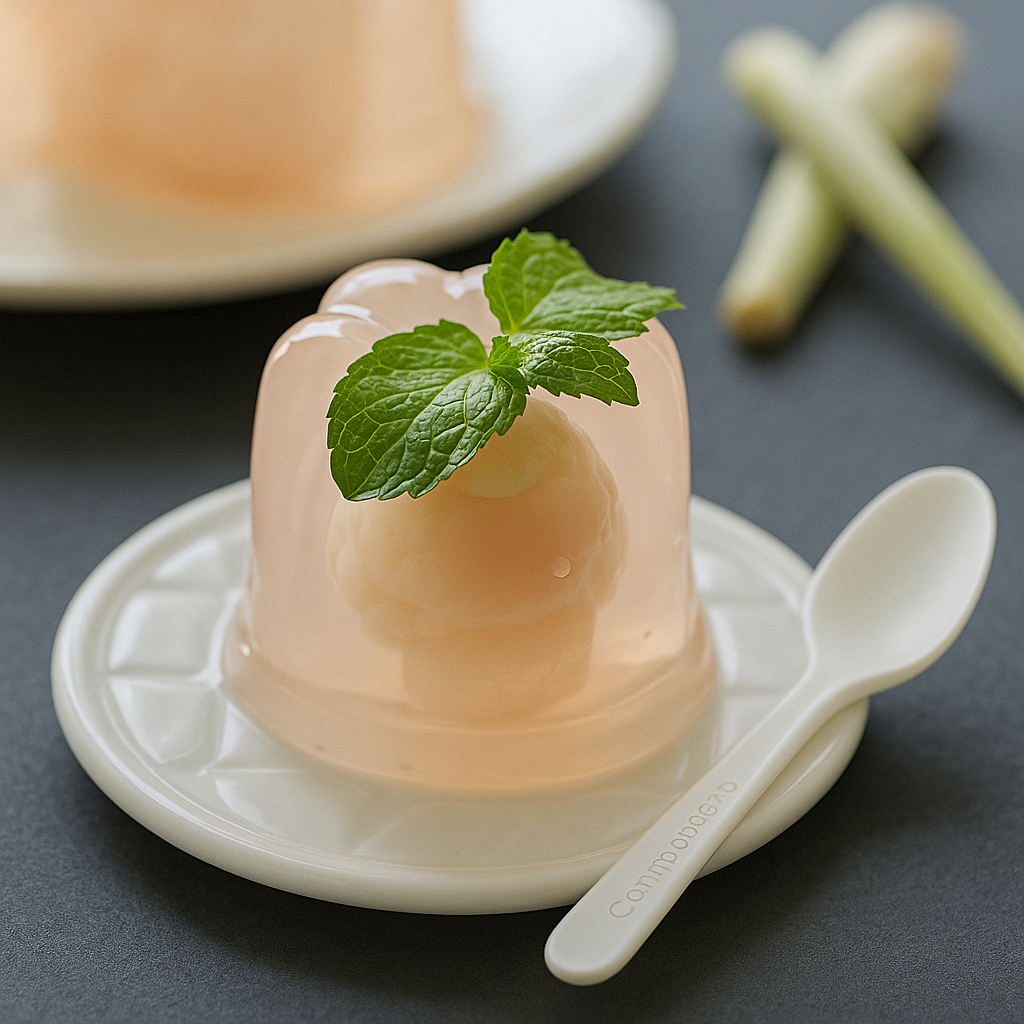
Jelly, pudding and panna cotta require spoons that can scoop without flexing or cutting the gel structure too harshly. Cornstarch spoons provide balanced rigidity and smooth edges.
Use cases include:
Single-serve jelly cups in convenience retail and supermarkets
Pudding cups in school catering and institutional foodservice
Hotel dessert buffets where hygiene and visual consistency are critical
For high-volume users, bulk packing in master cartons reduces secondary packaging waste while optimizing CBM for container loading.
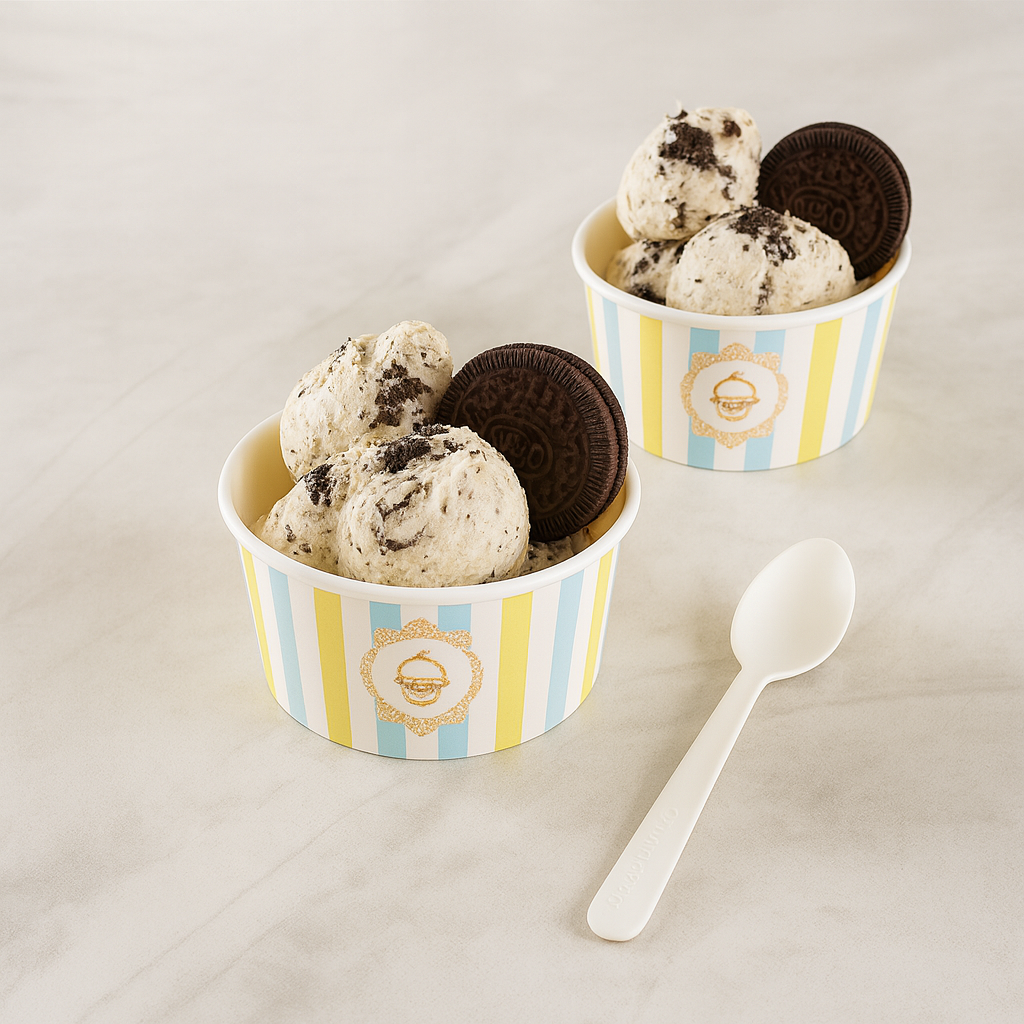
Short biodegradable spoons are an industry standard for ice cream and frozen yogurt tasting, flight menus and sampler trays.
Suitable for both full portions and tasting samples
Resistant to becoming brittle at low temperatures in freezers or display counters
More comfortable in the mouth than wooden tasting paddles
Available in natural or custom colors for brand differentiation
Aligning tasting spoon material with cups and lids (e.g., cornstarch or PLA) creates a coherent sustainability story across the entire dessert packaging set.

For catering events, trade shows, food fairs and in-store sampling, small cornstarch spoons help maintain hygiene while reinforcing a sustainable brand image.
Typical applications:
Canapés and dessert shooters in catering
Yogurt, granola and fruit parfait samples in retail promotions
Buffet service for hotels, airlines and cruise lines
Corporate events and wedding banquets emphasizing eco-conscious service
Event planners and caterers often look for spoons that are visually clean, easy to dispose of and compliant with venue sustainability policies—areas where cornstarch spoons perform strongly.
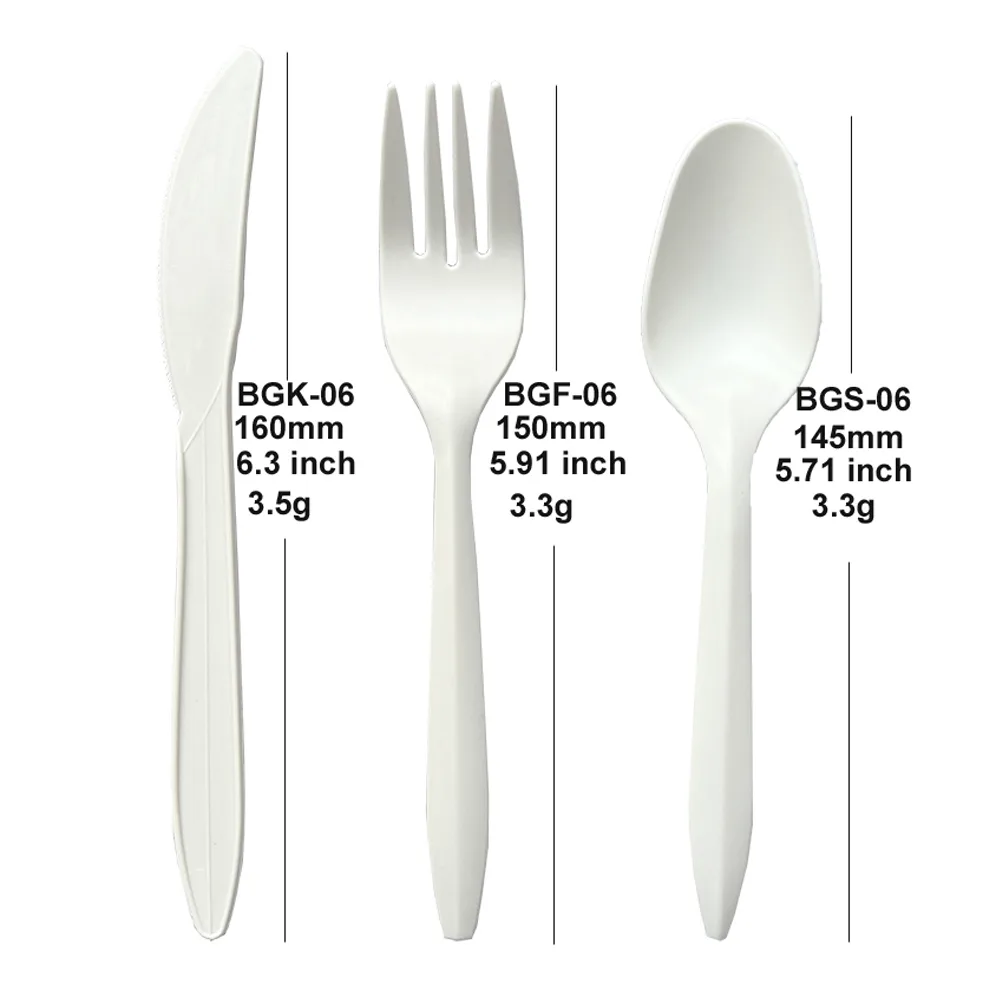
Recommended reference specifications (customizable):
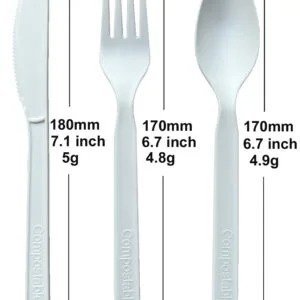
Length: 125 mm (approx. 4.5–5 inch)
Spoon head width: ~23–26 mm
Weight: ~2.5–3.0 g per piece (standard grade; heavier options available)
Material: cornstarch-based biodegradable bioplastic
Color options: natural, white or custom colors (MOQ required)
Packing: bulk in master cartons or inner polybags + cartons, customized label/barcode available
Buyers can tailor dimensions and packing to align with target markets, retail requirements and logistics constraints.
 |  |  |
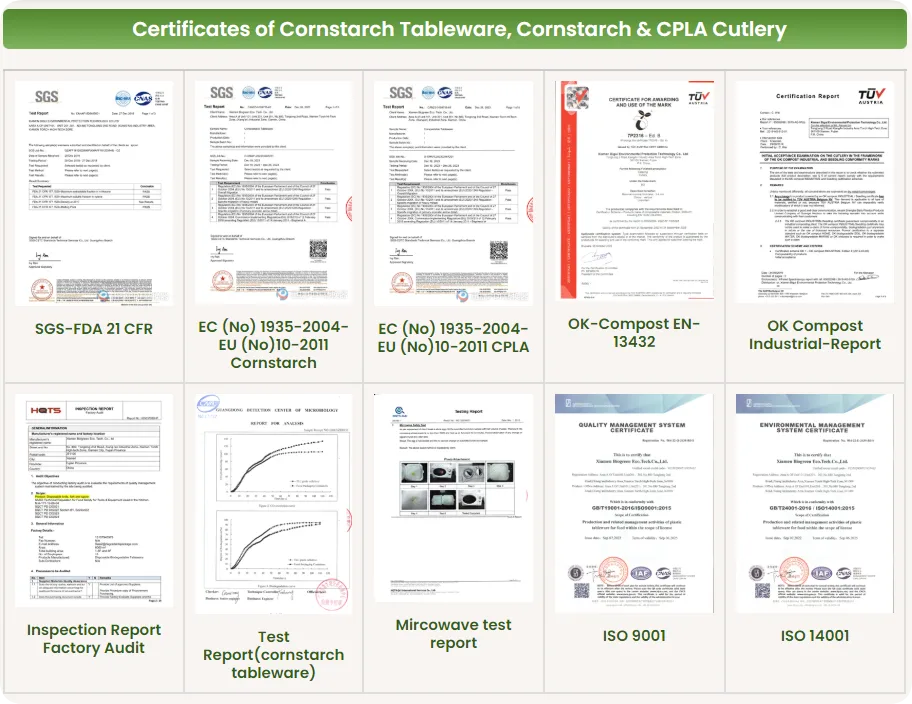
From a procurement standpoint, food-contact safety and regulatory compliance are non-negotiable. Bioleader® cornstarch spoons can be produced to comply with:
Food-contact regulations such as EU frameworks and/or FDA-style standards (on request)
Migration testing for heavy metals and primary aromatic amines
Relevant biodegradable or compostable standards where applicable (depending on region and formulation)
Additionally:
No intentional BPA or phthalates are used in the material system
Production is managed under quality-controlled conditions suitable for export markets
Technical documentation and test reports can be provided for regulatory review, tenders and retailer onboarding
|
To support private label and branding needs, the following OEM options are typically available:
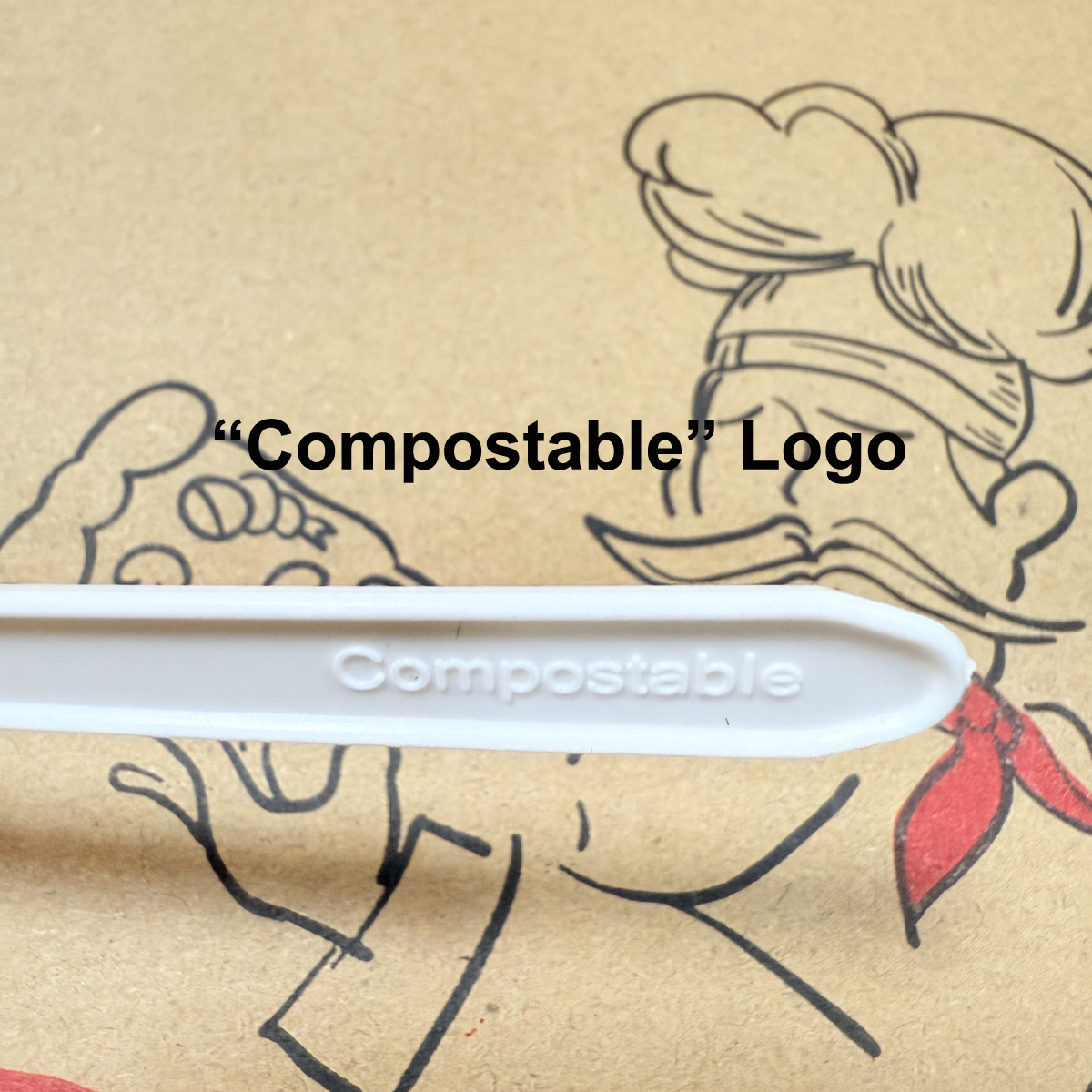
Embossed logo on spoon handle (subject to mold design and MOQ)
Custom color spoons matching brand identity (e.g., pastel for dessert chains)
Retail-ready packaging with branded boxes, labels or barcodes
Assortment solutions combining spoons with matching compostable cups, lids and napkins
Strategic buyers can integrate small biodegradable cornstarch spoons into complete dessert packaging programs to streamline sourcing and storytelling.
 |
When planning your specification, consider:
Cup volume and depth
80–120 ml: very small spoons or shorter handle versions
120–250 ml: 125 mm spoons are ideal
250–300 ml: 125–135 mm spoons for more comfortable reach
Product texture
Softer desserts (yogurt, jelly): standard weight is sufficient
Dense desserts (cheesecake, brownie-in-a-cup): choose slightly heavier spoons for extra rigidity
Service format
In-store tasting: smaller head, lighter weight
Takeaway cups: full-sized 125 mm spoons for convenience
Buffet: mix of sizes to match multiple dessert SKUs
Sustainability and compliance targets
Align materials (spoons, cups, lids) with your plastic reduction roadmap
Prepare documentation for retailers and auditors in advance
For international buyers and distributors, purchasing decisions are often driven by volume, logistics and risk management:
MOQ: commonly set from one pallet or one full SKU carton quantity upwards; higher MOQs apply for custom color or logo molds.
Lead time: typically around 25–35 days after artwork and deposit for repeat orders, subject to season and plant utilization.
Container optimization: carton dimensions and packing density can be optimized for 20ft or 40HQ containers to reduce per-unit freight cost.
Portfolio planning: buyers often combine small spoons with other cornstarch cutlery (forks, knives, standard spoons) and matching eco packaging in one shipment to maximize CBM efficiency.
Working with a specialized supplier improves the probability of consistent quality, reliable documentation and long-term program stability.
Q1: Are small cornstarch spoons really biodegradable and compostable?
A1: Cornstarch spoons are made from plant-based bioplastic that is designed to be biodegradable under controlled conditions. In many regions they are directed to industrial composting or managed waste streams. Actual degradation time depends on temperature, moisture and local waste management infrastructure; they should not be treated as “disappear anywhere” products.
Q2: What temperature can these small cornstarch spoons withstand?
A2: Small cornstarch spoons are suitable for cold and warm foods, typically up to around 80°C (176°F). They perform well with cakes, jelly, ice cream and yogurt, but are not recommended for oven use, boiling liquids or microwaving.
Q3: Are cornstarch spoons safe for food contact and free from harmful chemicals?
A3: Cornstarch spoons are produced from food-contact grade materials and are designed to meet relevant migration limits when properly tested. They do not intentionally contain BPA or phthalates. Suppliers can usually provide food-contact test reports to support retailer audits and regulatory checks.
Q4: What is the typical MOQ and lead time for customized small cornstarch spoons?
A4: For standard stock items, MOQs can start from one pallet or a few master cartons. For customized colors, logo embossing or special packaging, the MOQ is higher and a dedicated mold may be required. Lead time for bulk orders is commonly around 25–35 days after confirmation of artwork and deposit.
Q5: How should small cornstarch spoons be stored and disposed of?
A5: Store cornstarch spoons in a cool, dry place away from direct sunlight and high temperatures to maintain strength and shelf life. After use, they should be directed to industrial composting or other appropriate waste streams according to local regulations, rather than being littered or left in the natural environment.