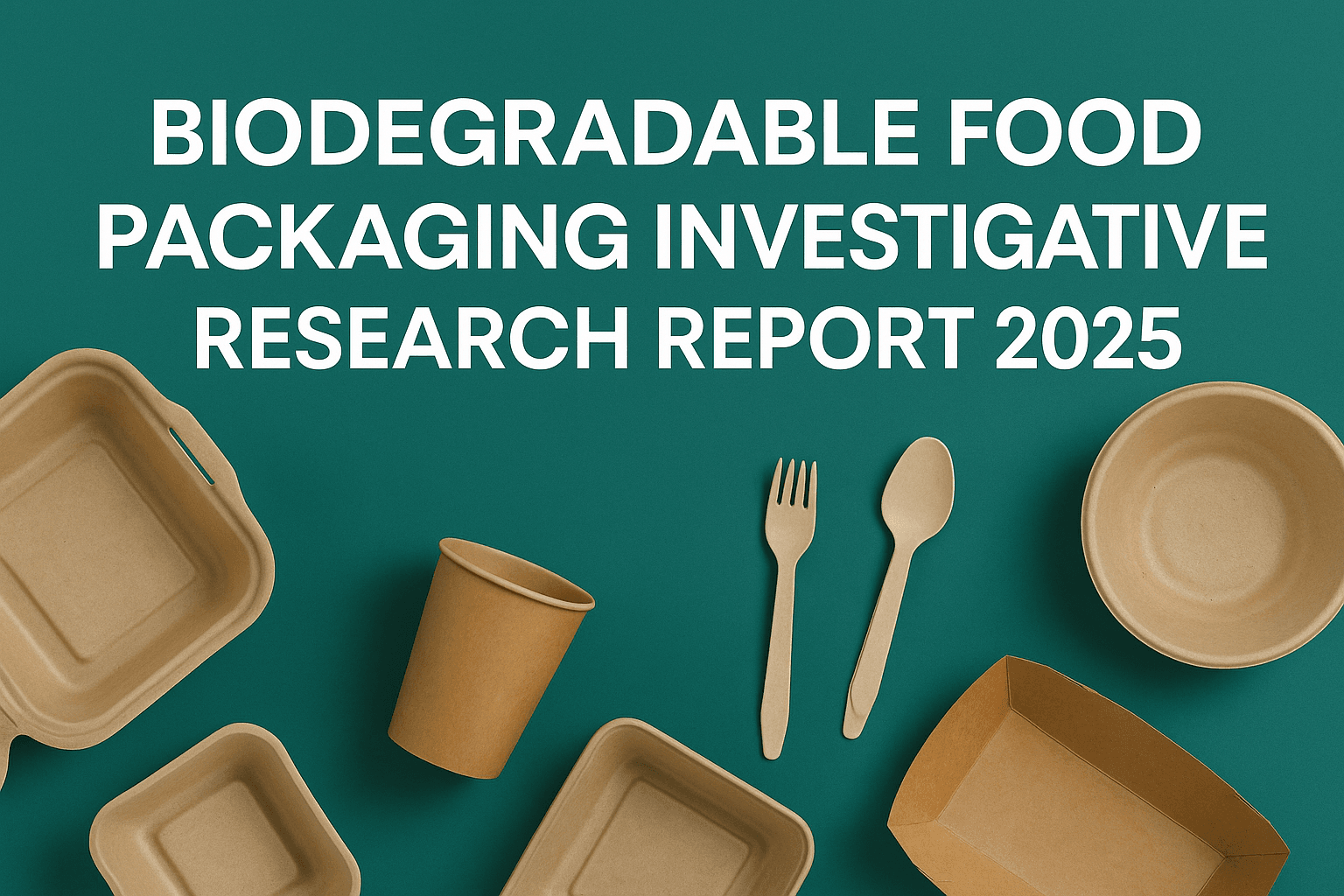
The article describes how street food vendors worldwide are embracing compostable packaging—such as bagasse, cornstarch, and PLA materials—to meet regulatory shifts, reduce plastic dependency, and improve food safety without compromising portability or cultural authenticity.
From the bustling hawker stalls of Singapore to the taco carts of Mexico City, street food is a universal language. These open-air vendors provide affordable, flavorful meals rooted in cultural identity. But there’s a less appetizing side to this beloved tradition: the billions of single-use plastic containers, foam trays, and non-compostable wrappers that end up in landfills or polluting urban waterways.
As sustainability becomes a global priority, street food vendors—long associated with low-cost, convenience-focused service—are now at the forefront of a quiet but powerful shift. Around the world, they’re replacing plastic packaging with compostable, biodegradable, and environmentally friendly alternatives. From bagasse bowls to kraft paper trays and cornstarch cutlery, compostable packaging is transforming how the world eats on the go.
This blog explores how vendors across Southeast Asia, Latin America, Africa, and beyond are adapting to this packaging revolution—and how companies like Bioleader® are helping them do it sustainably, affordably, and legally.
Why Street Food Packaging Needs a Sustainable Upgrade
The Environmental Burden of Street Food
Street food is fast, fresh, and affordable—but also extremely packaging-heavy. Many meals are served in disposable containers for quick turnover. According to the UNEP, single-use plastic packaging accounts for more than 36% of global plastic production, with foodservice being the largest contributor. In megacities like Bangkok, Jakarta, and Lagos, street food packaging is a leading source of urban waste.
Styrofoam plates, plastic bags, cling film, and polypropylene trays dominate the street food scene due to their low cost and availability. However, these materials persist in the environment for hundreds of years, contributing to microplastic pollution and public health risks.
Key Pressure Points Driving the Shift
Several forces are pushing street food vendors toward more sustainable packaging choices:
Government bans: Cities like Bogotá, Singapore, and Mumbai have implemented restrictions or full bans on EPS foam, plastic cutlery, or non-recyclable packaging.
Platform guidelines: Food delivery apps such as GrabFood and Uber Eats now recommend or mandate compostable packaging options to align with ESG goals.
Consumer demand: Tourists and eco-conscious locals increasingly prefer vendors who use biodegradable or plastic-free containers.

Regional Trends: How Vendors Are Switching Across Continents
Southeast Asia – From Banana Leaves to Bagasse Bowls
Southeast Asia has a long tradition of natural packaging—banana leaves, bamboo tubes, and coconut shells. However, plastic gradually replaced these biodegradable options. Now, the region is circling back, but with innovation.
In Thailand, Chiang Mai’s night market vendors have switched to molded bagasse containers, which resist heat and oil from dishes like pad thai and curry rice. In Malaysia, hawker stalls use kraft paper bowls with clear lids for laksa and nasi lemak. The Singapore Hawker Sustainability Scheme, launched under the Zero Waste Masterplan, encourages over 6,000 hawker centers to adopt certified compostable packaging by 2026.
Bioleader® supports this shift by supplying bagasse clamshell boxes and leak-proof sauce cups—ideal for Southeast Asia’s oily, spicy dishes.
Latin America – Comida Callejera Goes Green
From Buenos Aires to Bogotá, street food vendors are modernizing their packaging. In Mexico City, taco vendors have started using kraft-lined paper wraps and cornstarch trays instead of Styrofoam. The city banned EPS foam in 2020, prompting vendors to find sustainable replacements that could handle salsas, oil, and heat.
In Colombia, arepa stalls near Bogotá’s central business district use compostable trays made from molded pulp, reducing plastic pollution in rivers. In Peru, ceviche vendors have begun adopting paper bowls with tight-fitting lids to retain freshness without leaking.
These regions face logistical and cost challenges, but coordinated city policies and growing eco-awareness have helped speed up the transition.
Africa – Eco Packaging in the Informal Food Economy
In Africa, the street food economy is deeply woven into daily life. From roasted corn in Ghana to bunny chow in South Africa, food vendors serve millions each day. But single-use plastics—cheap, unregulated, and abundant—have become a major waste concern.
In Kenya, a government ban on plastic bags led to a rise in kraft paper usage for food wraps. Nairobi’s pilot program, backed by a local NGO, introduced compostable bagasse soup bowls for vendors selling “nyama choma” and stews. The project saw a 40% reduction in packaging litter in participating neighborhoods.
In Nigeria, vendors are adopting 2-compartment bagasse lunch trays, allowing them to serve rice and meat without oil leakage.
What Types of Compostable Packaging Are Most Popular for Street Food?
Street food packaging must be durable, heat-resistant, cost-effective, and quick to use. Here are the most widely adopted materials:
| Material | Heat Resistance | Oil Resistance | Cost Level | Best Use Case |
|---|---|---|---|---|
| Bagasse | High (120°C) | Excellent | $$ | Rice, meats, noodles |
| Kraft Paper | Medium | Medium | $ | Salads, dry snacks |
| Cornstarch | Medium-High | Good | $$$ | Bento, tacos, light curry |
| CPLA Cutlery | High | Excellent | $$ | Hawker rice, oily foods |
Bioleader® Recommendations for Street Vendors:
750ml & 1000ml Bagasse Bowls – For soups, noodles, stir-fry
2-Compartment Bagasse Box – Ideal for combo meals (rice + meat)
2oz Bagasse Sauce Cups – For chili, ginger, soy sauces
Kraft Paper Salad Bowls with Lids – For cold snacks or rice dishes
CPLA Forks, Spoons, Knives – PFAS-free, rigid, heat-resistant
Real Case Studies: How Small Vendors Are Making the Shift
Case 1 – Thailand’s Chiang Mai Night Market
Before: EPS foam boxes for pad thai, plastic sauce pouches
Now: Bagasse clamshells and 2oz bagasse fiber sauce cups
Impact: Market saw a 30% drop in plastic litter after a local eco-campaign, while tourists positively reviewed eco stalls on TripAdvisor.
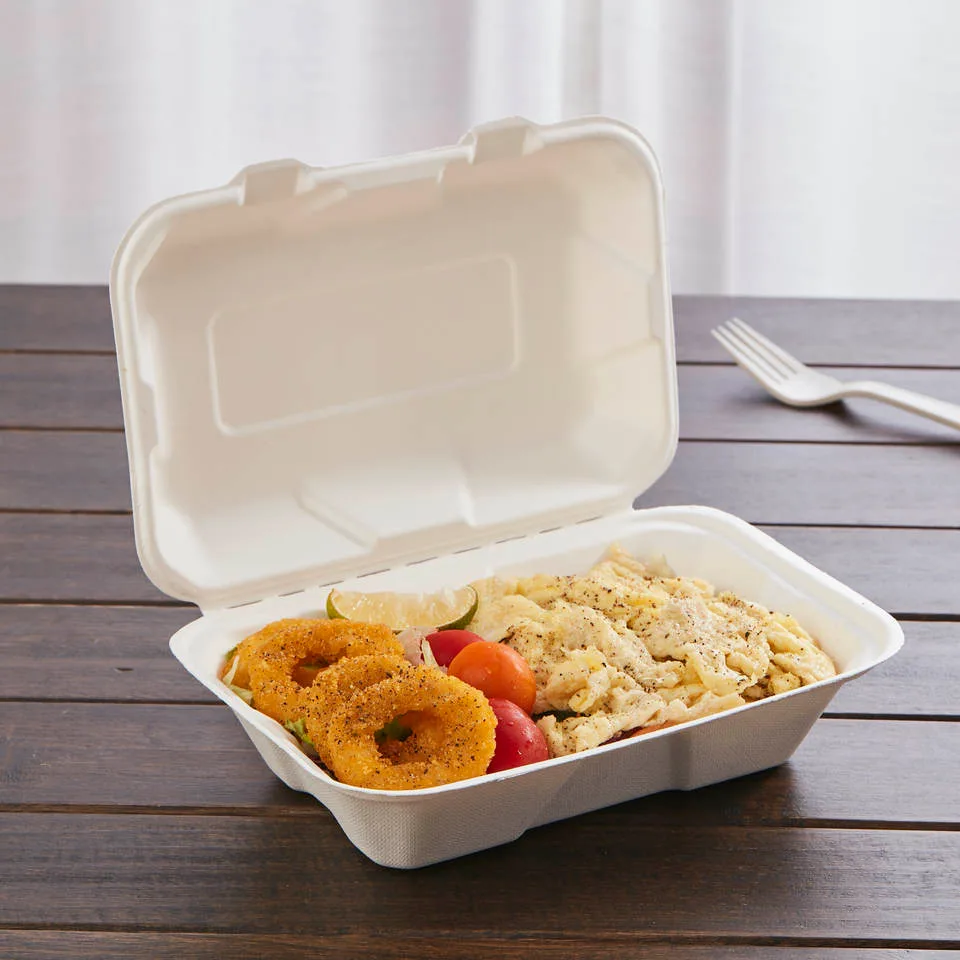
Case 2 – Mexico City’s Tacos al Pastor Stall
Before: Plastic-lined paper plates
Now: Bagasse trays with logo sticker
Impact: Customer engagement on social media grew. “Eco-friendly taco” became a niche trend on local TikTok.

Case 3 – Nairobi Soup Vendors
Before: Open-top polystyrene bowls with plastic covers
Now: Leak-resistant cornstarch bowls with lids
Impact: Improved hygiene, reduced street litter, and increased vendor visibility in local media.

Key Challenges for Vendors Going Green (And How to Solve Them)
1. Cost Sensitivity
Compostable containers can be 20–40% more expensive than plastic. Solutions:
Bulk purchasing models
Supplier-led discounts for starter packs
Government or NGO subsidies
2. Supply Chain Access
In many regions, vendors can’t source reliable compostable packaging locally.
Solution: Partner with global suppliers like Bioleader®, offering:
Global shipping to over 30 countries
Mixed containers with low MOQ
Category-level product bundles for vendors
3. Consumer Education
Many consumers don’t understand what “compostable” means or confuse it with “recyclable.”
Solution:
Clear product labeling (“Home Compostable,” “PFAS-Free”)
Informational signage at vendor stalls
Delivery apps adding compostability labels to menu listings
How Bioleader® Supports Street Vendors Worldwide
Bioleader® has emerged as a trusted partner for small food businesses, hawker stalls, and regional resellers looking to go plastic-free.
Key advantages for vendors:
Flexible MOQs: Starting from 10,000pcs with mixed items allowed
Custom Branding: Logo embossing, printed kraft wraps, eco stickers
Certified Products: EN13432, ASTM D6400, OK Compost, FDA food contact
Popular SKUs:
750ml/1000ml bagasse bowls
2-compartment clamshell lunch box
CPLA utensils (available in white or black)
- 2oz sauce cup (bagasse or PLA)
Bioleader® currently supplies street food vendors and distributors in Thailand, Vietnam, Kenya, Colombia, and parts of Eastern Europe—making eco transitions fast, reliable, and globally scalable.


What’s Next: The Future of Street Food Packaging
Street food is evolving fast. The next wave of compostable packaging will not only be functional—but also smart, aesthetic, and interactive.
Instagram-ready designs: Clear lids, minimalist branding
QR-code enabled packaging: Traceability, digital menus, loyalty campaigns
Decentralized composting: Local compost hubs to close the loop
Reusable hybrid programs: Vendors renting reusable containers with deposits
As Gen Z and eco-conscious millennials shape consumption, compostable packaging will become the norm—not the niche.
Conclusion
Street food vendors are no longer the laggards of the packaging world—they’re becoming leaders in eco-innovation at the grassroots level. Through smart partnerships, affordable compostable solutions, and local support, vendors across Asia, Latin America, and Africa are proving that sustainability is possible—even on a budget.
Bioleader® stands with these vendors, offering practical, certified, and stylish compostable packaging that aligns with culture, cuisine, and compliance.
Ready to take your street food packaging to the next level? Contact Bioleader® for a product guide tailored to your region and cuisine.
✅ FAQ
1. What is the best compostable packaging for street food vendors?
Bagasse trays, kraft paper bowls, and compostable CPLA cutlery are ideal options. Bagasse trays are especially popular for hot, oily meals due to their excellent heat resistance and structural strength.
2. Are bagasse trays suitable for oily or spicy foods?
Yes. Bagasse trays are heat-resistant up to 120°C and naturally oil-resistant, making them perfect for serving fried rice, curries, tacos, or stir-fried noodles without leakage.
3. Can small vendors afford compostable packaging?
While compostable options may cost slightly more than plastic, many suppliers like Bioleader® offer low-MOQ solutions, starter packs, and regional pricing to make eco-friendly packaging accessible to small and independent vendors.
4. Are there any regulations affecting street food packaging in 2025?
Yes. Many cities and countries—including Singapore, Mexico City, and Nairobi—have banned or restricted plastic foam and non-compostable packaging. Vendors are encouraged or required to use biodegradable containers to comply with local laws.
5. What’s the difference between biodegradable and compostable packaging?
Biodegradable packaging breaks down naturally over time, but compostable packaging decomposes within a specific period (usually under industrial or home composting conditions) without leaving toxic residues. Certified compostable materials meet international standards like EN13432 or ASTM D6400.
6. How can vendors promote their eco-packaging to customers?
Vendors can add QR codes, stickers, or signs explaining the compostable materials they use. Platforms like GrabFood or Uber Eats often allow labels like “eco packaging” to appear in digital menus, helping attract eco-conscious customers.
7. Does Bioleader® supply compostable packaging for global street food markets?
Yes. Bioleader® provides certified compostable products—such as bagasse trays, kraft bowls, and CPLA cutlery—shipped worldwide with support for custom branding and low MOQ for small vendors or regional distributors.
✅ References
United Nations Environment Programme (UNEP)
“Single-Use Plastics: A Roadmap for Sustainability”
https://www.unep.org/resources/report/single-use-plastics-roadmap-sustainabilityWikipedia
“Street food”
https://en.wikipedia.org/wiki/Street_foodNational Environment Agency, Singapore
“Zero Waste Masterplan”
https://www.nea.gov.sg/our-services/waste-management/zero-waste-masterplanFood Packaging Forum Foundation
Dr. Jane Muncke, “Compostable Packaging – What You Need to Know”
https://www.foodpackagingforum.org/news/compostable-packaging-what-you-need-to-knowBioleader® Official Website
“Bagasse Trays for Street Food and Takeout”
https://www.bioleaderpack.com/product-category/bagasse-tray-with-lid/City of Mexico (CDMX) Official Website
“Prohibición de productos de plástico de un solo uso en CDMX”
https://www.sedema.cdmx.gob.mx/comunicacion/nota/prohibicion-de-plasticos-de-un-solo-uso-en-la-cdmxThe World Bank
“Waste Management in Sub-Saharan Africa”
https://www.worldbank.org/en/news/feature/2018/09/20/cleaning-up-the-urban-streets
Global Street Food Meets Compostable Packaging: Practical, Sustainable & Ready for 2025
In response to growing environmental regulations and consumer demand, street food vendors are transitioning from plastic to compostable solutions like bagasse trays, cornstarch bowls and cups, PLA containers, and kraft options. These alternatives offer heat resistance, leak protection, and compostability, while supporting operational needs in high-turnover foodservice contexts.
These materials enable vendors to preserve flavor and presentation—think vibrant curries or soups—without the mess or environmental harm. Compostable options are lightweight and stackable, easing transport in tight street setups, and are PFAS-free, aligning with food-safety standards.
This shift strengthens vendor resilience: regulatory compliance, cleaner urban waste streams, and sustainable differentiation in competitive street food culture. Compostable packaging supports circular economies by reducing plastic pollution and aligning with global sustainability trends.