
When it comes to eating utensils, forks and sporks are two interesting options that often spark debate. While the fork is a traditional favorite, the spork combines the features of both a spoon and a fork, making it a unique hybrid. In this blog, we’ll explore the differences, advantages, and ideal use cases for each, helping you decide which one is best suited to your needs.
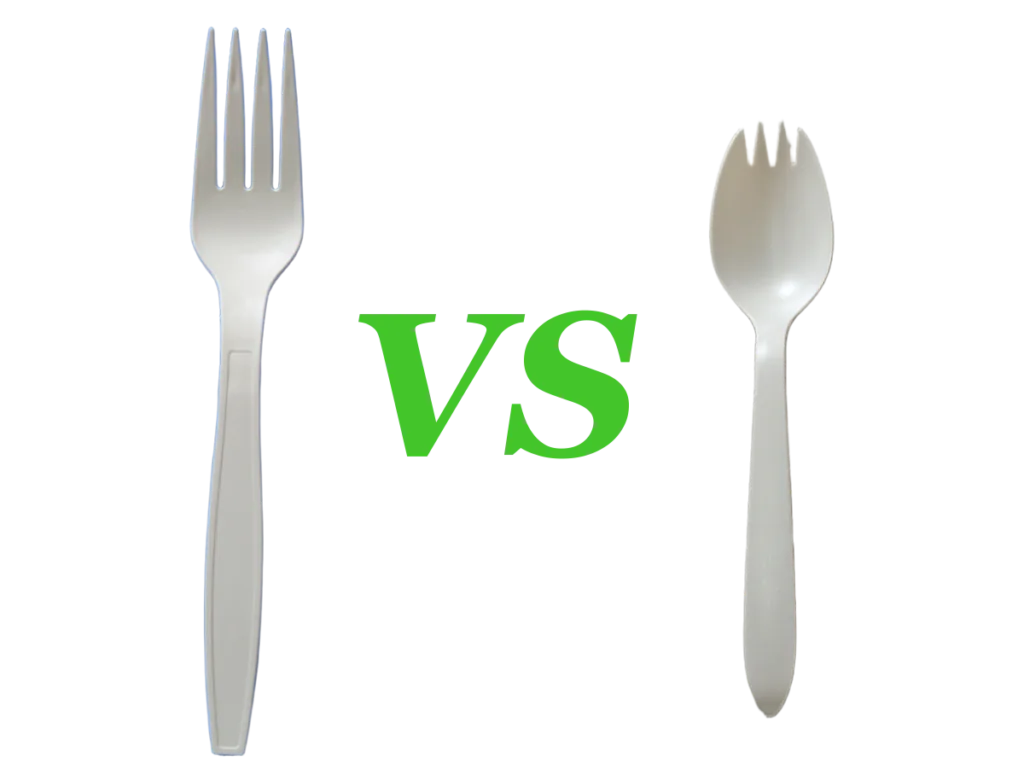
1. What is a Fork?
A fork is one of the oldest and most commonly used utensils worldwide. It consists of a handle and several tines (usually three or four), making it perfect for piercing, holding, and picking up solid food items.
Key Characteristics:
- Design: Simple and functional with pointed tines.
- Primary Use: Ideal for eating solid foods like meats, pasta, and salads.
- Material: Typically made of metal, but plastic versions are common in disposable utensils.
2. What is a Spork?
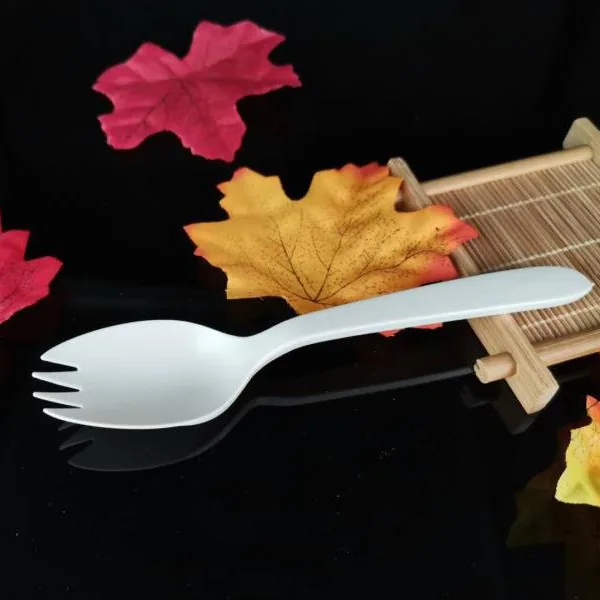
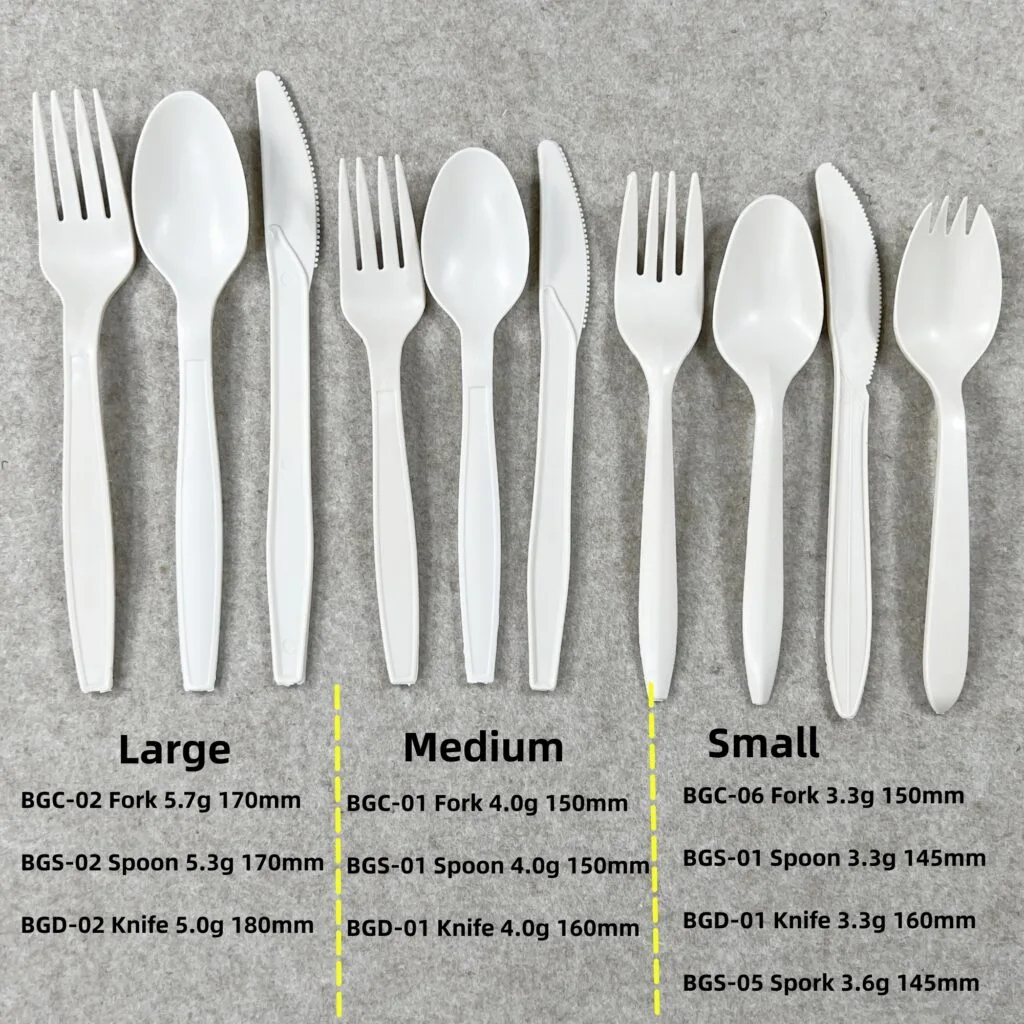
The spork is a combination of a spoon and a fork, designed to handle multiple food types. It features a rounded, bowl-like structure with short tines at the edge. The spork is often used in casual dining, outdoor activities, and travel.
Key Characteristics:
- Design: A hybrid shape that merges spoon functionality with fork usability.
- Primary Use: Versatile enough for both liquids (soups, stews) and solids (rice, pasta).
- Material: Commonly made of lightweight materials like plastic or stainless steel.
3. Fork VS Spork: Key Differences
| Feature | Fork | Spork |
|---|---|---|
| Design | Long tines, no bowl structure | Bowl-like with short tines |
| Versatility | Best for solids | Handles both liquids and solids |
| Portability | Slightly less compact | Lightweight and travel-friendly |
| Durability | Sturdy, often metal | Depends on the material, often lighter |
| Use Case | Everyday Dining | Camping, picnics, quick meals |
4. Advantages of Each Utensil
Fork Advantages:
- Precision: Better at piercing and cutting through tough or large food items.
- Familiarity: Commonly used in formal dining and fits most meals.
- Variety: Comes in different types (e.g., salad fork, dessert fork).
Spork Advantages:
- Versatility: Combines spoon and fork functions in one tool.
- Convenience: Ideal for outdoor adventures, saving space and weight.
- Cost-Effective: Often disposable and budget-friendly.
5. When to Use Forks or Sporks?
Choose a Fork When:
- You’re dining formally or at home.
- The meal includes primarily solid foods, such as steak, pasta, or vegetables.
Choose a Spork When:
- You’re on the go or traveling.
- Eating foods that require both spoon and fork functionality, like soups with noodles or rice dishes.
- You want a single utensil for convenience.
6. Recommended: Choose Eco-Friendly Compostable Forks or Sporks
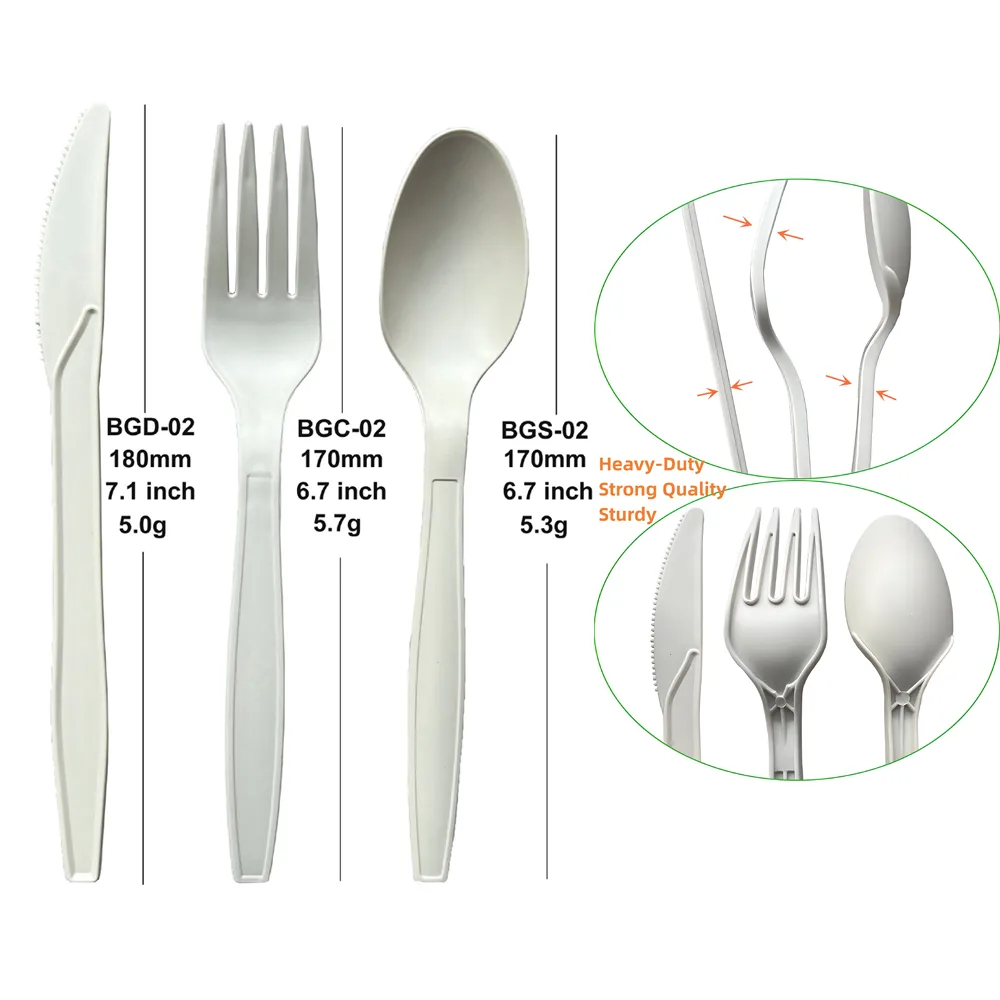
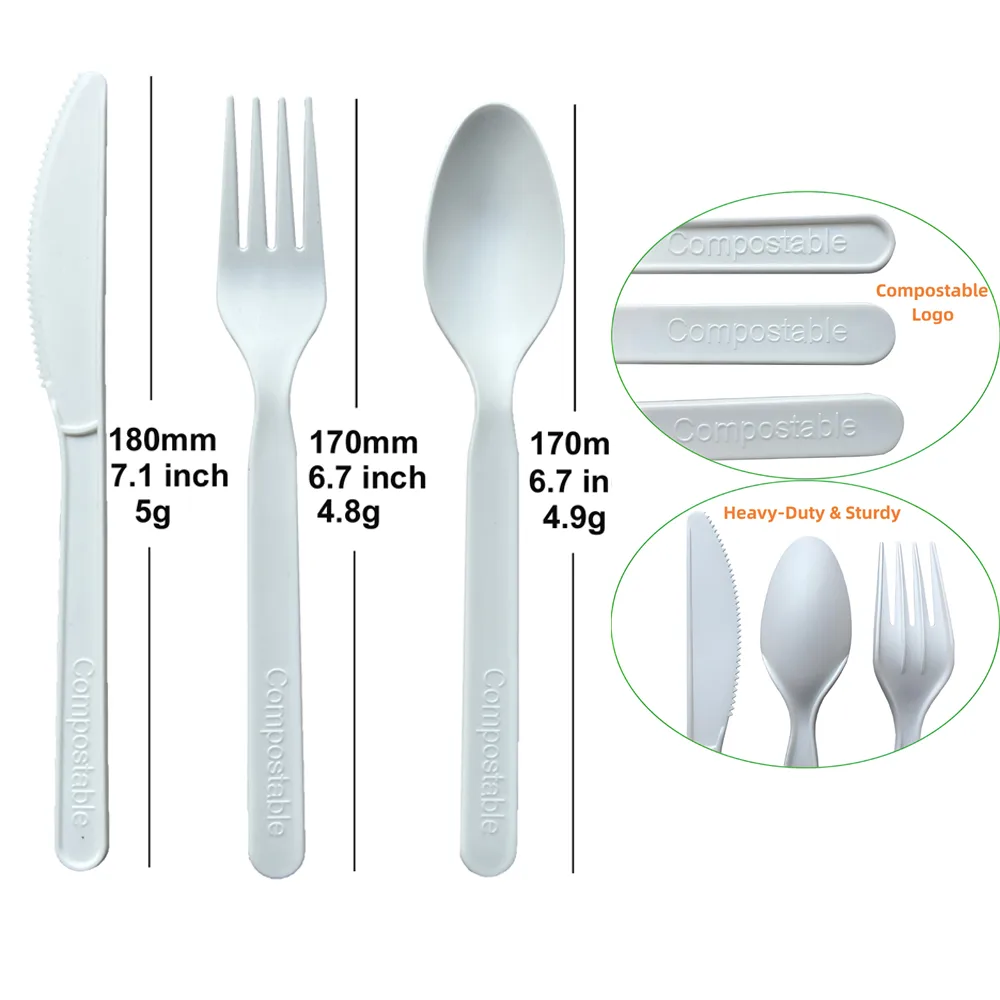
In today’s environmentally-conscious world, opting for compostable forks or sporks is a great way to reduce waste while enjoying the convenience of disposable utensils. Compostable utensils are typically made from sustainable materials like bamboo, cornstarch, or biodegradable plastics, which break down naturally without harming the environment.
Benefits of Eco-Friendly Utensils:
- Sustainability: Helps reduce plastic pollution and promotes eco-friendly habits.
- Functionality: Available in sturdy designs suitable for various food types.
- Convenience: Perfect for events, picnics, and outdoor dining.
By choosing compostable forks or sporks, you can enjoy your meals guilt-free while contributing to a healthier planet.
7. Conclusion
While forks are a staple in dining, the spork shines in versatility and convenience. Your choice ultimately depends on your specific needs and dining context. Whether you prefer the precision of a fork or the multi-functionality of a spork, both have their unique place at the table.
Which do you prefer, and why? Share your thoughts in the comments below!
FAQ


2 Responses
Very clear view of fork and spork difference!
I’ve always loved the convenience of a spork, but this article really clarifies the real difference—a fork’s prongs are unbeatable for stab-and-eat tasks!