Eco-Friendly Takeaway Containers & Biodegradable Bowls for Georgia: Your 2026 Compliance Guide

As Georgia prepares for its 2026 plastic ban, foodservice brands, distributors, and retail chains are actively shifting toward biodegradable takeaway containers, bowls, and eco-friendly cutlery to stay compliant and competitive. This guide helps B2B buyers identify reliable Georgia suppliers, evaluate material performance, and choose the best biodegradable tableware for takeaway, to-go, and delivery operations. With options such as bagasse containers, biodegradable bowls, PLA drink cups, and plant-based cutlery, businesses can confidently transition to sustainable packaging solutions that meet regulatory requirements and strengthen their environmental positioning in the Georgian market.

Why Georgia’s 2026 Plastic Ban Is Accelerating the Shift to Biodegradable Takeaway Packaging

As Georgia moves toward implementing its nationwide plastic ban, the demand for biodegradable takeaway containers, bowls, and eco-friendly cutlery is rising dramatically across foodservice, retail, and distribution sectors. Businesses must now adopt certified biodegradable tableware to remain compliant, avoid penalties, and maintain customer trust. This shift also presents an opportunity: early adopters can strengthen their sustainability profile and gain market advantage as consumer preference moves toward eco-friendly packaging.

Understanding Biodegradable Takeaway Containers: Materials, Performance & Certification

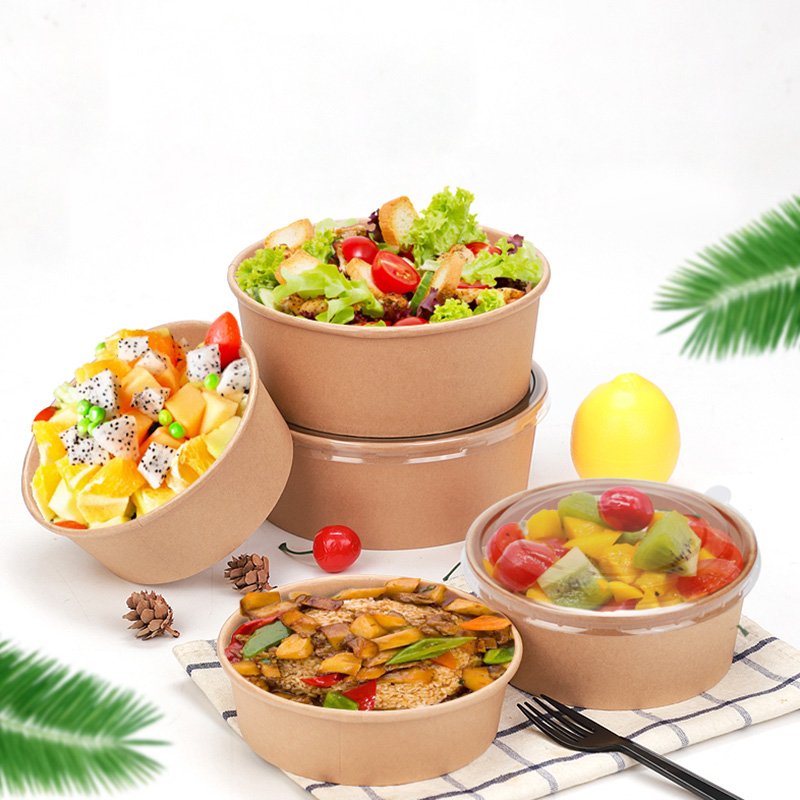
Biodegradable takeaway containers and bowls are made from plant-based materials such as bagasse, cornstarch, PLA, and kraft paper. These materials are designed to break down naturally in composting environments, significantly reducing plastic waste. High-quality biodegradable tableware must meet strict food-contact safety standards, handle hot and oily foods, and maintain structural integrity during transport—making them suitable for takeaway, to-go, and delivery operations in Georgia’s evolving regulatory environment.

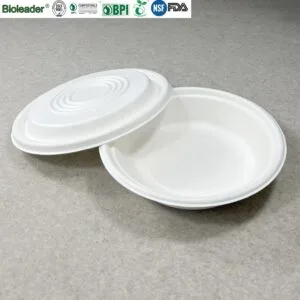
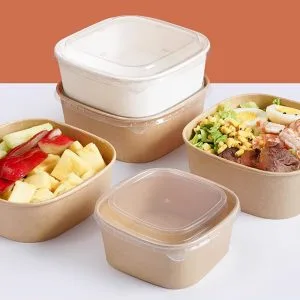
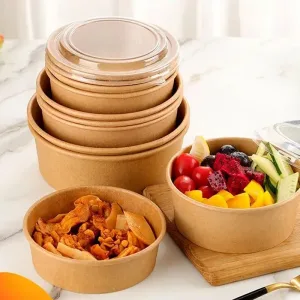
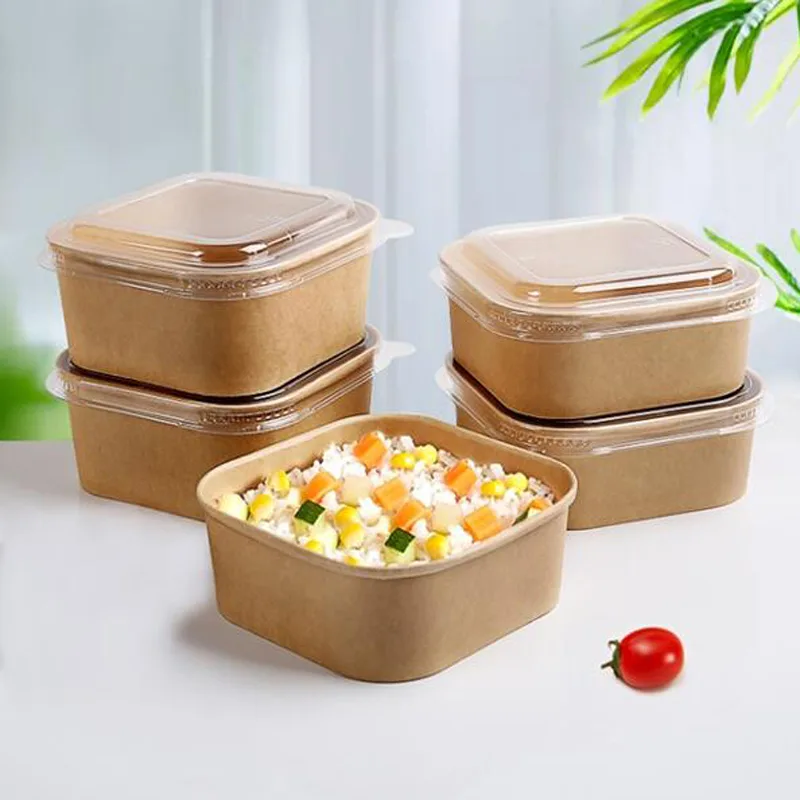
Takeaway Bowls with Lids
Disposable Bagasse Tray with Lid – Eco Friendly Food Catering

To support Georgia’s growing demand for sustainable packaging, the following product categories are most suitable:

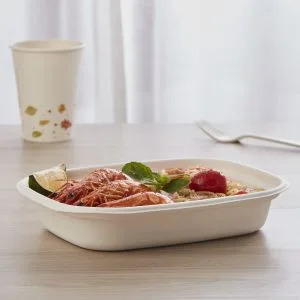
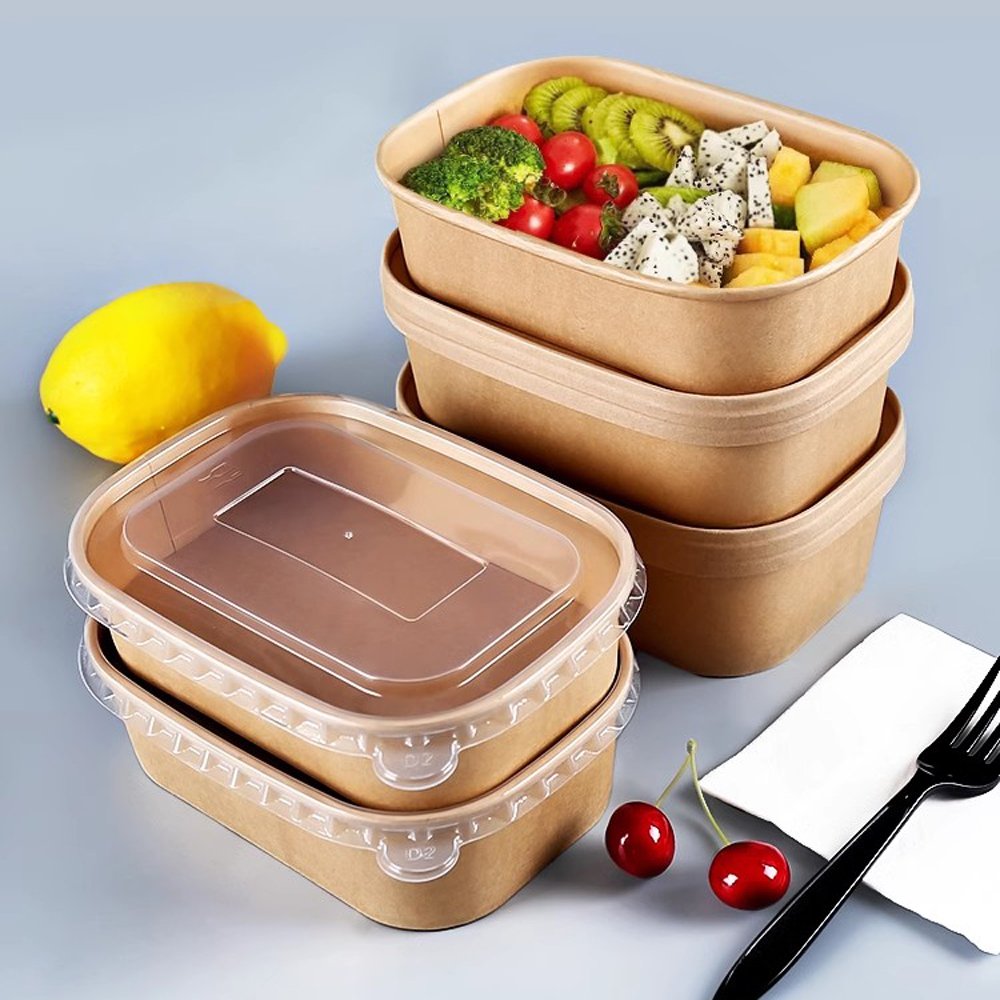
  • Bagasse Takeaway Containers with Lids
    Ideal for hot meals, rice dishes, BBQ sets, and delivery foods requiring heat resistance and spill protection.

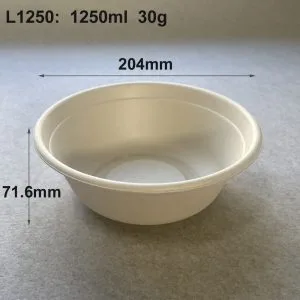
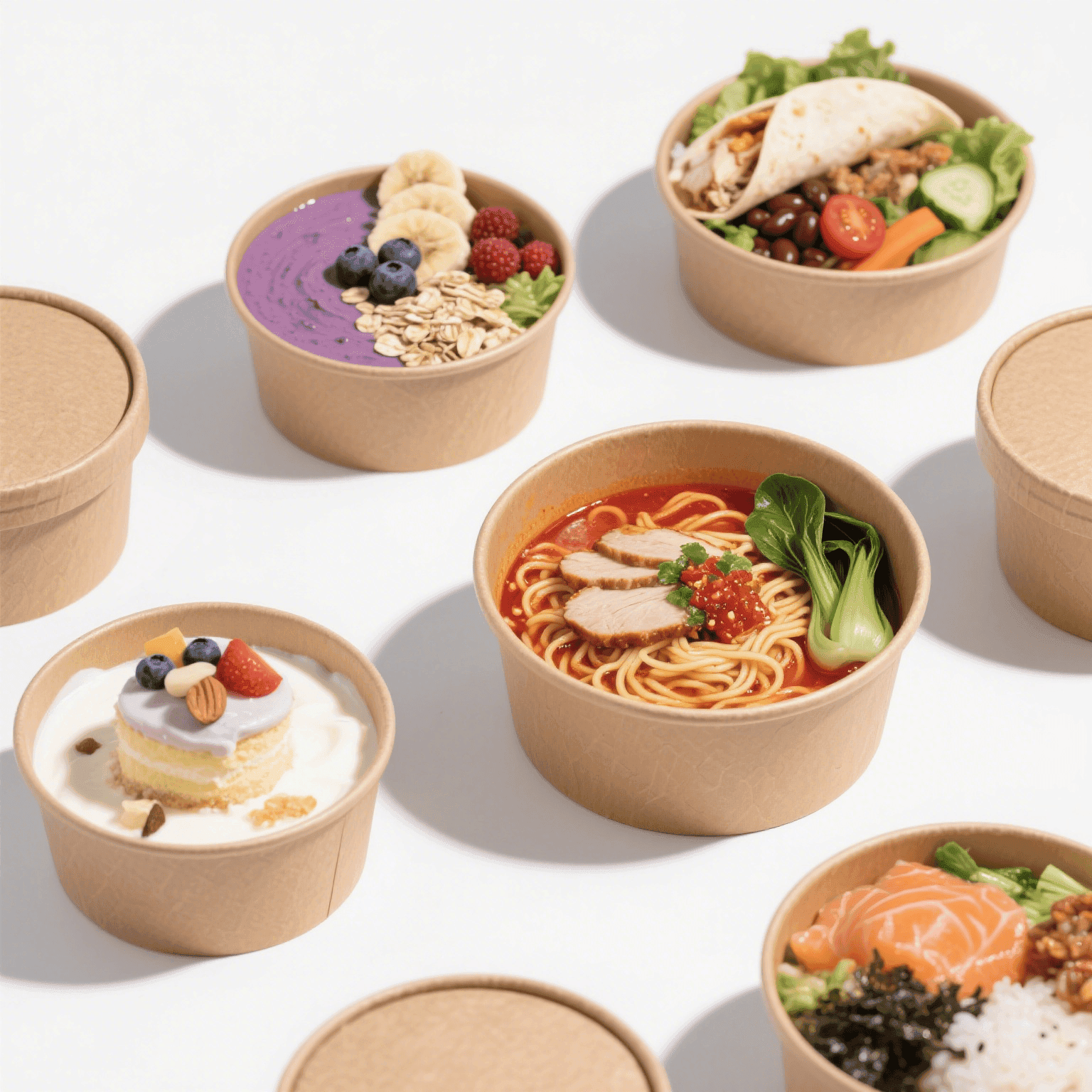
  • Biodegradable Bowls (Bagasse / Kraft Paper)
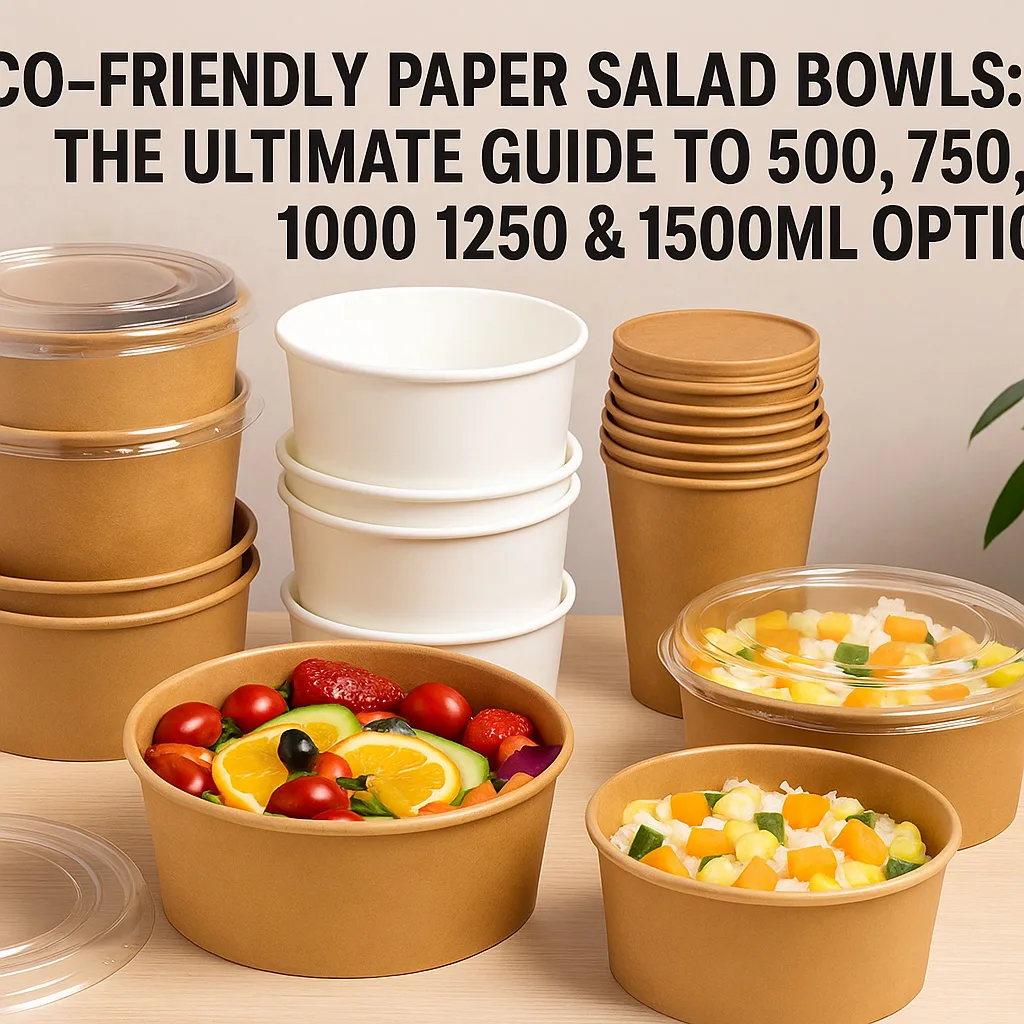
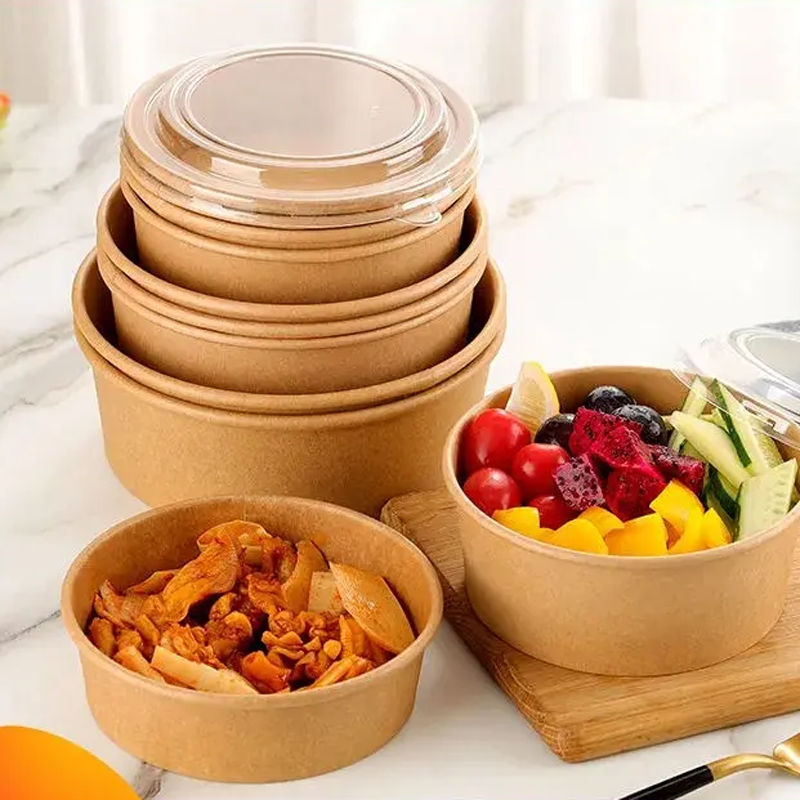
    Perfect for salads, noodles, soups, and ready-to-eat meals across cafés and cloud kitchens.

  • Cornstarch Clamshell Boxes
    Durable and plastic-free, providing strong rigidity for fast-food and convenience retail.

  • PLA Cups for Cold Drinks
    A clear, compostable alternative to plastic cups, suitable for cafés, bubble tea shops, and juice bars.

  • Eco-Friendly Cutlery Sets
    Compostable forks, spoons, and knives that pair well with takeaway meals while meeting policy requirements.

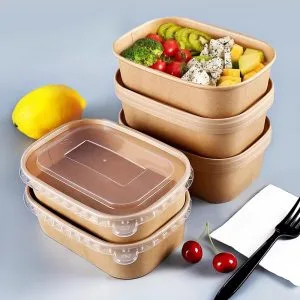
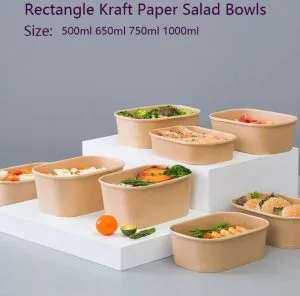
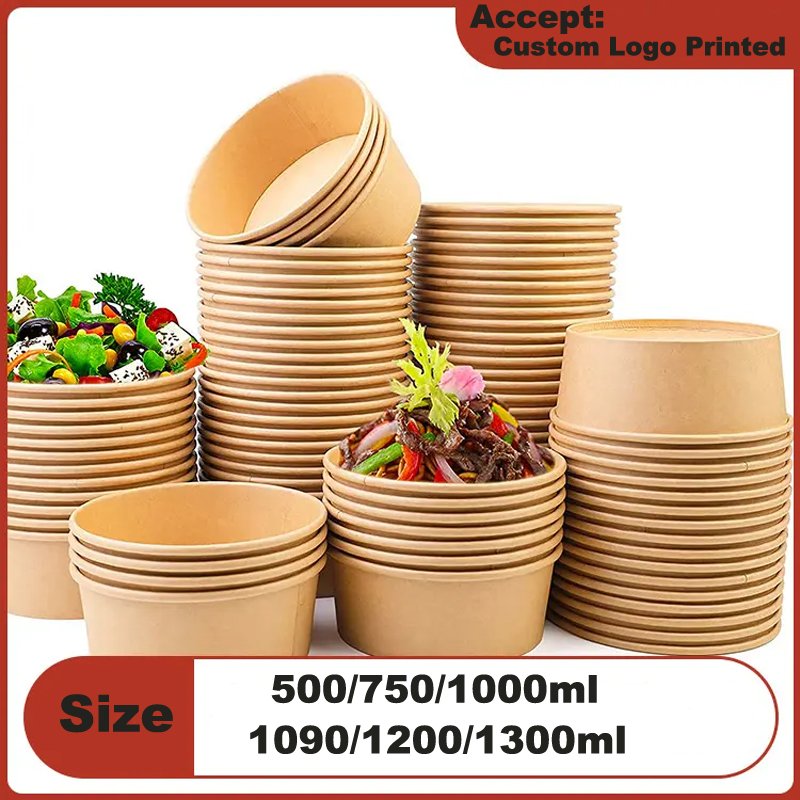
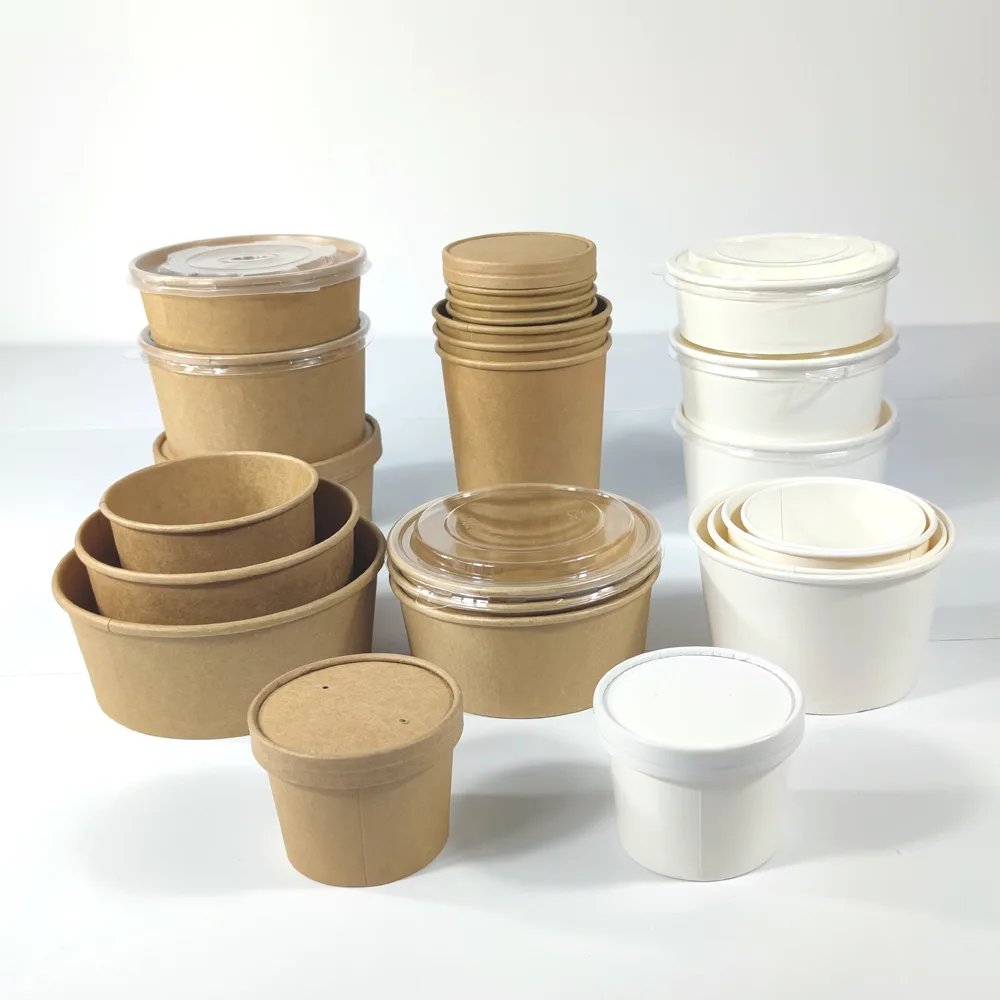
Paper Salad Bowls—Bioleader Manufacturer Factory Wholesale

Why Bioleader® Leads the Market in Biodegradable Containers & Bowls for Georgia

Bioleader® is a global manufacturer specializing in biodegradable tableware and eco-friendly cutlery, offering export-ready solutions tailored to Georgia’s sustainability standards. Our bagasse bowls, takeaway containers with lids, PLA cups, cornstarch clamshells, and kraft paper packaging provide premium performance across heat resistance, oil resistance, durability, and compostability. With strong production capacity, stable pricing, and international certifications, Bioleader® is the preferred partner for distributors, restaurant chains, and supermarkets preparing for Georgia’s 2026 plastic ban.

Bioleader Compostable Sustainable Food Packaging

How to Choose Reliable Georgia Suppliers for Biodegradable Takeaway Containers

When selecting suppliers for biodegradable packaging, B2B buyers should evaluate:

  • Certifications: Compostability, food-contact safety, and PFAS-free compliance.

  • Material Quality: Heat resistance, oil resistance, and structural strength.

  • MOQ & Production Capacity: Ability to support long-term volume demand.

  • Logistics for Georgia: Export experience, palletization, HS codes, and stable lead times.

  • Consistency: Sample-to-mass-production consistency and product testing support.

Bioleader® meets all these criteria, providing a secure supply chain for importers and distributors entering the post-plastic-ban era.

Certificates of Paper Cups

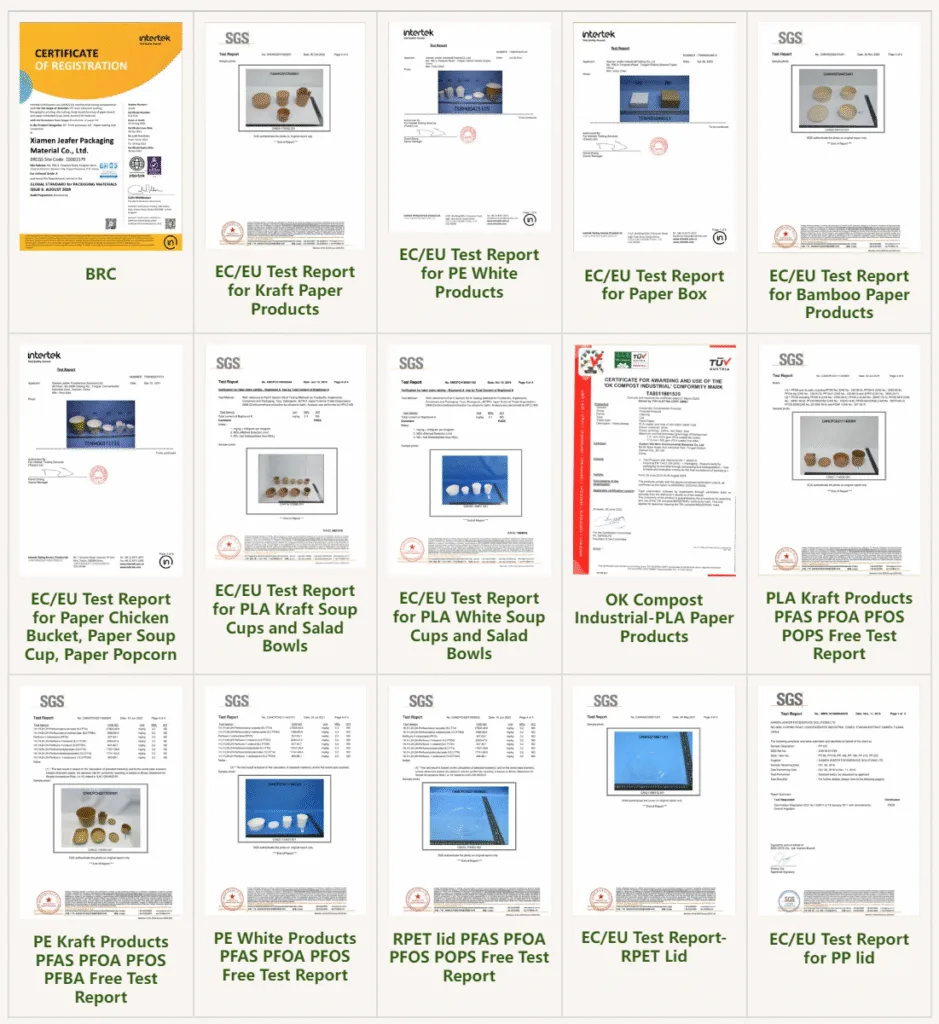
Bioleader®'s International Certifications & Testing Report

All Bioleader® paper food conatiners are produced in ISO9001 and BRC certified facilities. Our products are tested by SGS and TÜV, meeting FDA, EU, and LFGB food contact safety standards. We can provide full documentation upon request, including test reports and certificates of compliance, ensuring quality and regulatory trust for your business.

  • BRC: Food Safety Certification for Packaging Products

  • EC/EU Test Report for Kraft Paper Products

  • EC/EU Test Report for PE White Products

  • EC/EU Test Report for Bamboo Paper Products

  • OK Compost Industrial – PLA Paper Products

  • PLA Kraft Products PFAS PFOA PFOS POPS Free Test Report

  • PE Kraft Products PFAS PFOA PFOS PFBA Free Test Report

  • PE White Products PFAS PFOA PFOS Free Test Report

  • RPET lid PFAS PFOA PFOS POPS Free Test Report

  • EC/EU Test Report – RPET Lid

  • EC/EU Test Report for PP lid

Georgia B2B Buying Guide: How to Transition to Biodegradable Packaging in 5 Steps

  1. Identify all plastic SKUs that must be replaced before 2026.

  2. Request samples of biodegradable containers, bowls, and cutlery for performance testing.

  3. Confirm certifications, compostability standards, and raw material specifications.

  4. Optimize order volumes based on MOQ, container loading, and freight cost.

  5. Partner with experienced exporters like Bioleader® to ensure reliable long-term supply.

Join the global movement toward zero-waste packaging.
Bioleader® offers:

  • 📦 Bulk order support & fast delivery

  • ✍️ Custom branding and OEM solutions

  • 🌍 Worldwide eco-packaging compliance

👉 [Get the Catalogue Products List]   |   [Browse Products]  

Contact us Below
Click or drag files to this area to upload.You can upload up to 5 files.
The more details you share, the faster and more accurate our quotation will be.

Frequently Asked Questions About Biodegradable Takeaway Containers for Georgia's 2026 Plastic Ban

FAQ 1: How to choose biodegradable takeaway containers that comply with Georgia’s 2026 plastic ban?

To stay compliant, select containers made from certified biodegradable materials such as bagasse, PLA, kraft paper, or cornstarch. Ensure they meet food-contact safety standards, withstand heat and oil, and are verified by reputable Georgia packaging suppliers with export and bulk-supply experience.


FAQ 2: How to evaluate Georgia packaging suppliers before placing bulk orders?

Check supplier certifications, production capacity, HS codes, sample quality, and export documentation. Reliable suppliers should provide performance testing, material traceability, and stable lead times to support B2B buyers preparing for the 2026 Georgia plastic ban.


FAQ 3: How to import biodegradable takeaway containers into Georgia efficiently?

Importers should confirm carton sizes, palletization, MOQ, and transit times. Work with suppliers experienced in global shipping, prepare customs documents in advance, and select container-optimized SKUs to reduce freight costs for large-volume Georgia orders.


FAQ 4: How to compare different biodegradable materials for Georgia’s foodservice sector?

Evaluate heat resistance, oil resistance, durability, compostability conditions, and end-of-life requirements. Bagasse performs best for hot foods, PLA cups shine in cold beverage service, kraft paper suits dry or semi-moist dishes, while cornstarch offers strong structural integrity.


FAQ 5: How to ensure biodegradable packaging is properly disposed of in Georgia?

Partner with local waste-management providers to establish compostable-waste collection. Train staff to separate biodegradable containers from traditional plastics, and encourage consumers to follow proper disposal guidelines to maximize environmental benefits.