Every Fourth of July, millions of Americans gather around grills, picnic tables, and firework-lit backyards to celebrate freedom, food, and fun. But this year, something else is firing up: the growing desire to make Independence Day more sustainable.
Plastic plates? Not invited. Foam trays? Declined. Enter two natural, compostable contenders vying for the crown of eco-conscious BBQ champion: Areca plates vs. Bagasse plates.
Whether you’re hosting a neighborhood cookout or packing for a park-side potluck, your choice of tableware matters more than ever. So which one truly belongs at your July 4th bash?
Let’s break it down.
What Are Areca and Bagasse Plates?
Before the battle begins, let’s meet our two planet-friendly plate options.
🥥 Areca Plates:
Made from naturally fallen palm leaves (specifically from the Areca palm tree)
Pressed into shape using only heat and water—no chemicals or binders
Rustic appearance with natural textures and earthy tones
Popular in India and Southeast Asia, now trending globally for upscale events

🌾 Bagasse Plates:
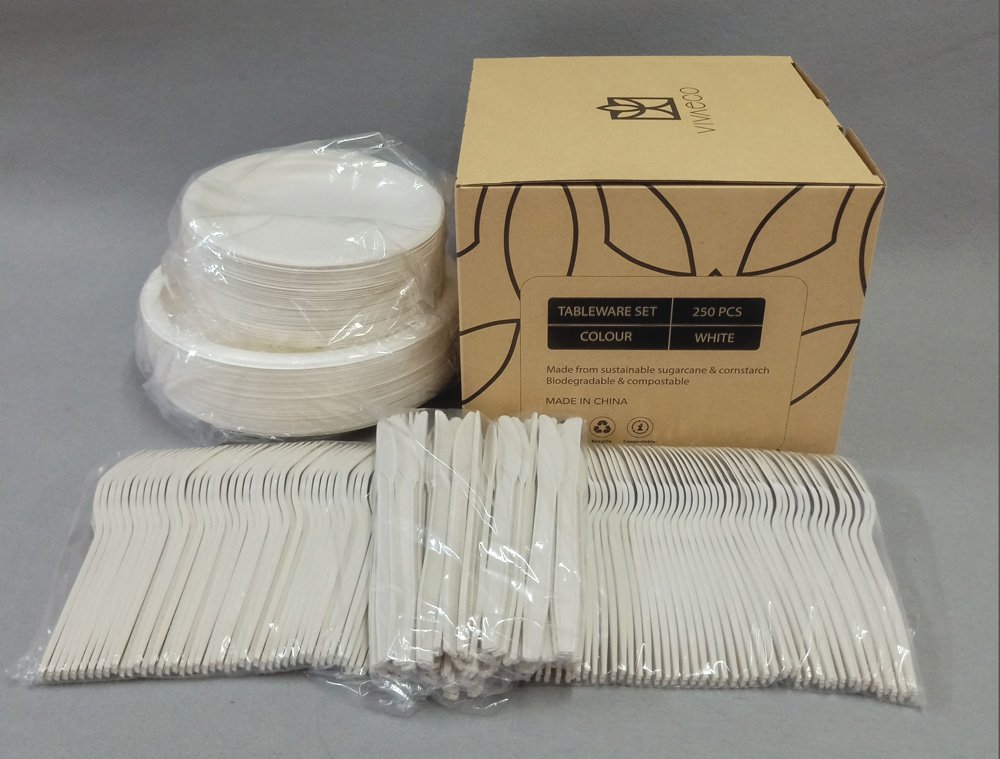
Made from sugarcane pulp (bagasse), the fibrous residue left after juice extraction
Molded into shape through a heat-pressure process
Uniform appearance—usually white or off-white
Strong, heat-resistant, and compostable
Widely used in restaurants, catering, and food delivery

What July 4th Food Demands from a Plate
Think about your BBQ plate:
It’s stacked with smoky ribs, buttery corn, maybe a greasy cheeseburger
Next to it? Potato salad, grilled veggies, and a splash of hot sauce
And let’s not forget—the fireworks haven’t even started yet
Your plate needs to:
Hold heat and moisture
Resist oil seepage
Support heavy servings without folding
Stay intact through laps, hand-holding, or paper towel wrapping
Not all eco plates are created equal under these conditions.

Side-by-Side Showdown: Areca vs. Bagasse Plates
| Feature | Areca Plates | Bagasse Plates |
|---|---|---|
| Material Source | Fallen palm leaves | Sugarcane residue (bagasse) |
| Visual Appeal | Rustic, natural textures | Smooth, clean, professional look |
| Heat Resistance | Medium (for dry/hot items) | High (handles steamy, saucy foods) |
| Grease Resistance | Moderate (light sauces) | Excellent (ideal for BBQ & burgers) |
| Microwave-Safe | No | Yes |
| Structural Strength | High (for dry food) | High (even with wet/heavy meals) |
| Compostability | Home compostable | Industrial + some home compostable |
| Best BBQ Use | Appetizers, desserts, side dishes | Ribs, burgers, hot dogs, saucy mains |
What Real BBQ Hosts Are Saying
“I used Areca plates for our family picnic—they looked amazing on the table! But they didn’t hold up well with pulled pork and beans.”
“My go-to for parties is sugarcane plates. They don’t fold under pressure, and guests always ask where I get them.”
“I love the aesthetic of Areca, but for anything with sauce or heat, I stick with bagasse plates from Bioleader. They’re durable, compostable, and still feel premium.”
Sustainability Smackdown: Which Plate Leaves a Lighter Footprint?
Both Areca and Bagasse plates are excellent alternatives to plastic, but their paths to compostability differ.
🌿 Areca Plates:
Use no added chemicals
Leaves naturally fall—no harvesting needed
Fully compostable in home systems
Slower decomposition rate than bagasse in industrial compost
♻️ Bagasse Plates:
Utilize an agricultural byproduct (sugarcane waste)
Efficient large-scale production
Compostable in both industrial and (some) home compost setups
More consistent quality for bulk supply chains
When it comes to large events, restaurants, or takeaway businesses, bagasse’s scalability gives it an edge. It’s also better suited for moist or high-fat foods typical of BBQ spreads.
Why Bagasse Wins for July 4th Main Dishes
Ribs. Baked beans. BBQ chicken. These foods need a plate that can handle the mess.
Bagasse plates, especially those made by Bioleader, have:
Superior soak resistance
Heat durability (no softening with steam)
Strong rims that don’t sag
A polished look that works from backyard to catering hall
Whether you’re feeding five or fifty, Bioleader‘s bagasse-based paper soup containers and plates deliver performance without compromise.

When Areca Shines
That said, Areca plates do have a place at your 4th of July celebration.
They’re perfect for:
Serving chips, fruit, or cookies
Displaying appetizers or picnic-style grazing boards
Guests who value tactile, earthy textures over uniformity
Aesthetic-forward events (like weddings or wellness retreats)
Their biodegradable nature and artisanal vibe make them a strong choice—for the right foods.
Bonus: Don’t Forget the Sides
While plates take center stage, consider other sustainable tableware too:
Compostable cutlery made from CPLA or cornstarch
Paper soup containers for baked beans or mac & cheese
Bagasse trays for grilling stations or buffet spreads
Paper cups with PLA lining for lemonade, beer, and punch
And yes—Bioleader offers complete eco tableware sets to match.

FAQ
1. What is the main difference between areca and bagasse plates?
Areca plates are made from naturally fallen palm leaves and have a wood-like appearance, while bagasse plates are made from sugarcane pulp and have a smoother, more uniform surface.
2. Which is better for hot and greasy foods—areca or bagasse?
Bagasse plates offer better resistance to moisture and oil, making them ideal for hot, saucy dishes. Areca plates can handle dry and semi-moist foods but may absorb oil over time.
3. Are areca and bagasse plates compostable at home?
Yes, both areca and bagasse plates are home-compostable. They typically decompose within 60–90 days under proper composting conditions.
4. Do areca plates contain any chemicals or coatings?
No, areca plates are made by heat-pressing palm leaves without any added chemicals or coatings, making them 100% natural and food-safe.
5. Which type of eco plate looks better for parties and events?
Areca plates offer a rustic, textured look that’s perfect for outdoor or themed events, while bagasse plates provide a clean, minimalist style suitable for both casual and formal settings.
Final Verdict: Which Plate Should You Choose?
If your 4th of July BBQ is mostly finger food, snacks, and sandwiches:
👉 Go with Areca for style and simplicity.
But if you’re grilling meats, serving saucy dishes, and don’t want spills:
👉 Bagasse plates from Bioleader are your best bet.
Better for your brisket. Better for the planet. Better for BBQ.