Malaysia’s bustling street food culture is a national treasure—whether it’s hot bowls of laksa in Penang or night market satays in Kuala Lumpur. But behind the aromatic dishes and vibrant hawker scenes lies a growing environmental dilemma: single-use plastic packaging. As Malaysia intensifies its fight against plastic waste, both street food vendors and takeaway businesses must adapt. The shift presents challenges—but also a golden opportunity to embrace compostable, eco-friendly alternatives that meet modern customer demands.
The Plastic Problem: Why Malaysia Had to Act
Malaysia has long struggled with plastic waste. According to the World Bank (2022), the country generates over 1 million tonnes of plastic waste annually, and nearly half of it is mismanaged—leaking into rivers, oceans, or landfills. Compounding the issue, Malaysia became one of the world’s top importers of plastic scrap in the late 2010s, leading to illegal dumps and pollution.
To counteract this, the Malaysian government announced a 12-year roadmap to eliminate single-use plastics (2018–2030). Key milestones include:
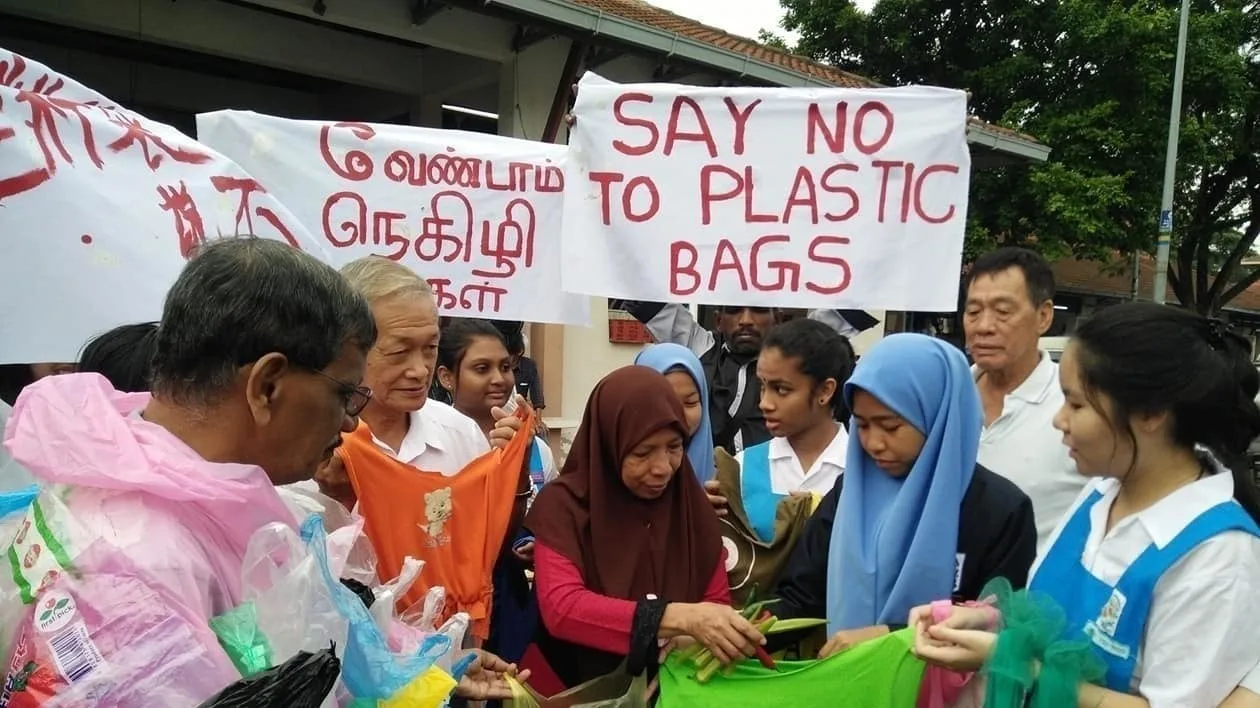
Phasing out plastic straws and bags in major cities.
Encouraging biodegradable alternatives in food packaging.
Introducing extended producer responsibility (EPR) schemes for manufacturers.
The 2025 goal? A nationwide ban on conventional single-use plastics in foodservice settings—impacting hawker stalls, food courts, and takeaway businesses alike.
Why Street Food and Takeout Businesses Are at the Center of the Change
Malaysia’s love affair with takeaway food is deep-rooted. From roti canai to nasi lemak, busy urbanites rely on food-on-the-go more than ever. But plastic bags, polystyrene boxes, and plastic utensils remain common—despite known health and environmental risks.
Vendors face multiple hurdles:
Rising packaging costs for alternatives.
Uncertainty about compostable material certifications.
Limited awareness of available sustainable options.
Yet as policies tighten and eco-conscious consumers raise their expectations, switching to sustainable packaging is no longer optional—it’s a business imperative.
What Materials Are Malaysia Promoting as Alternatives?
Malaysia’s roadmap emphasizes compostable and biodegradable materials that meet recognized standards such as ASTM D6400 or EN 13432. Three materials stand out:
1. Bagasse (Sugarcane Fiber)
Made from sugarcane pulp left after juice extraction, bagasse is 100% biodegradable, heat-resistant, and oil-resistant—perfect for Malaysian dishes like nasi goreng, satay, or banana leaf rice.
Use Case:
📦 Bagasse clamshell boxes are ideal for combo meals. They’re sturdy, microwave-safe, and fully compostable within 90 days in industrial composting.

2. Cornstarch-Based Packaging
Derived from corn starch polymers, these containers mimic plastic but break down naturally. Resistant to heat and leakage, they’re excellent for hot gravies or soups.
Use Case:
🥣 Cornstarch bowls with tight-fitting lids can safely hold laksa, curry mee, and rendang without spilling.

3. Kraft Paper
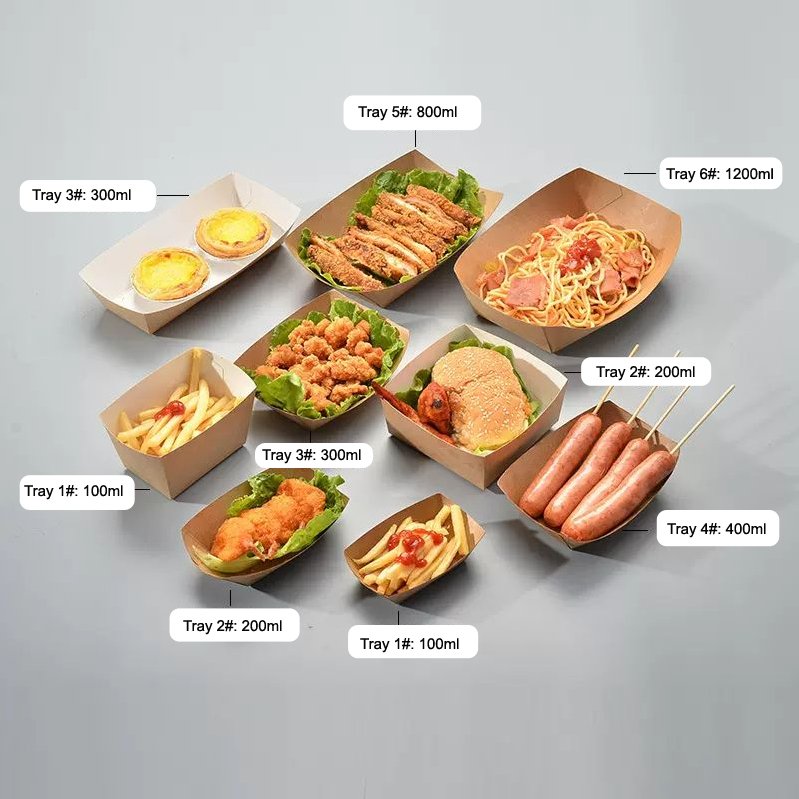
Uncoated or PLA-lined kraft paper offers a natural, premium look. It’s best for dry food, pastries, and snacks like youtiao or kuih-muih.
Use Case:
🍱 Kraft trays and bakery boxes provide grease resistance and are recyclable, compostable, and brand-customizable.
A Glimpse of Change: Real-World Cases in Malaysia
Case Study 1: George Town’s Hawker Revival with Eco Boxes
In Penang, the local council introduced incentives for hawkers who switch to biodegradable boxes. One vendor in Gurney Drive food court adopted bagasse containers from Bioleader® in 2024. The result? Sales increased 12%, largely due to younger diners praising the sustainability shift.
Case Study 2: Klang Valley Cafés Going Green
KL’s independent cafés, like those in Bangsar and Mont Kiara, have swapped plastic smoothie cups for PLA cold cups. Several report fewer customer complaints and better Instagram engagement from eco-friendly presentations.
Scientific Insight: Does It Really Make a Difference?
Yes. A 2021 study in Journal of Cleaner Production revealed that compostable packaging reduces carbon footprint by up to 75% compared to petroleum-based plastics. Bagasse specifically sequesters CO₂ during sugarcane growth, offering a net-positive lifecycle when composted properly.
In another Malaysian university-led trial, biodegradable lunch boxes showed 80% decomposition within 60 days in tropical conditions—proving viability even in community compost setups.
Consumer Demand Has Changed: What People Expect in 2025
Malaysian consumers are more environmentally aware than ever. According to a 2023 Nielsen survey, 64% of Malaysians are willing to pay more for products with sustainable packaging. Younger generations, in particular, associate eco-conscious packaging with quality and trustworthiness.
Key Customer Desires:
Leak-free design for soupy dishes.
Microwave- and fridge-safe containers for busy lifestyles.
No plastic smell or taste in packaging.
Minimal or compostable wrappers.
Takeout Packaging Do’s and Don’ts in Today’s Market
✅ Do: Choose certified compostable packaging (EN 13432 or ASTM D6400).
✅ Do: Print your logo on kraft bowls for brand appeal.
✅ Do: Offer compostable cutlery and paper straws with meals.
❌ Don’t: Use polystyrene or unrecyclable black plastic trays.
❌ Don’t: Wrap everything in plastic cling film.
❌ Don’t: Assume “biodegradable” means compostable—check certifications.
Where to Buy: Your Trusted Supplier in Asia
If you’re looking to upgrade your packaging to meet Malaysia’s 2025 goals, Bioleader® is your go-to partner.
Why Choose Bioleader®?
Offers complete product lines: bagasse containers, PLA cups, kraft trays, cornstarch cutlery.
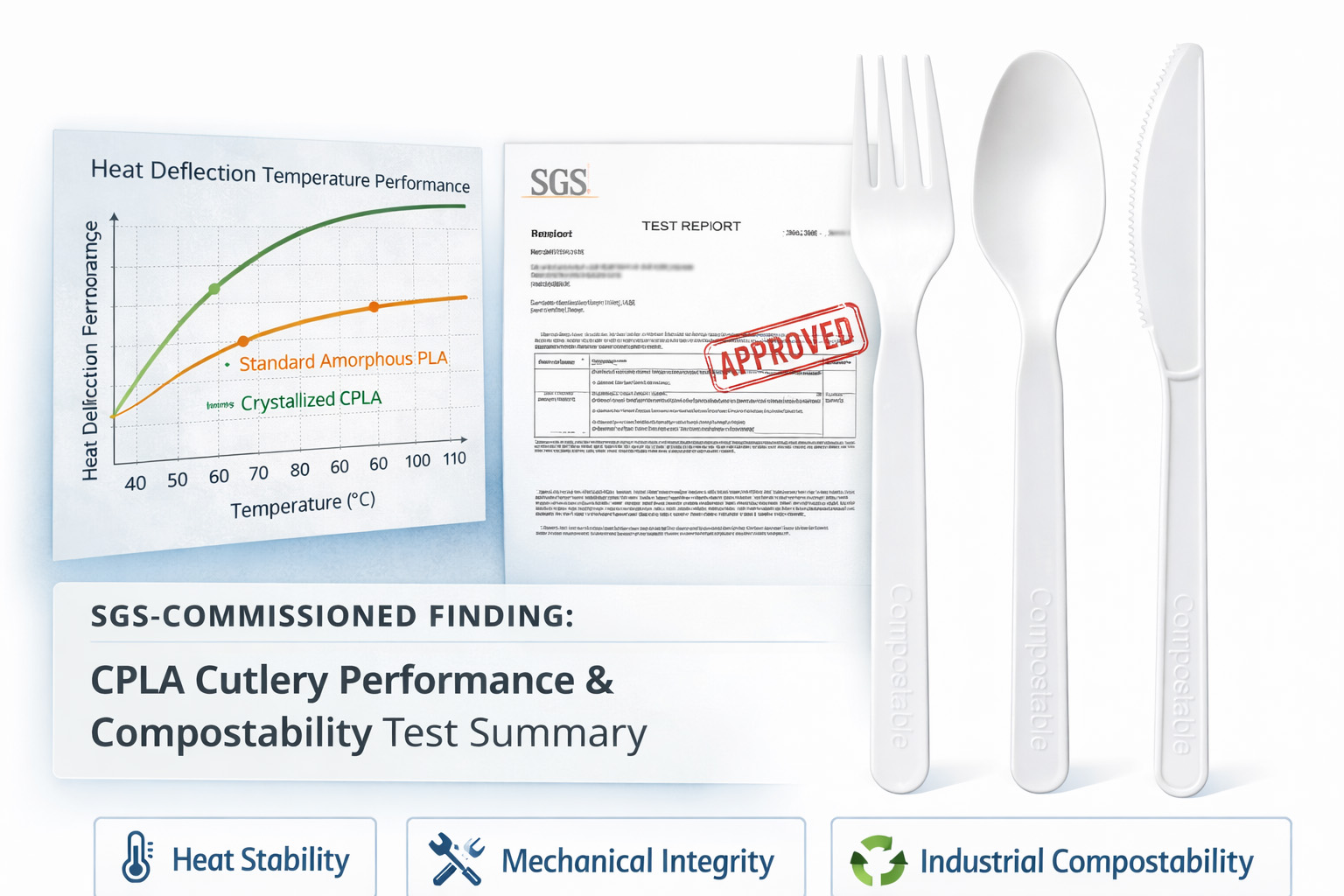
Products are certified compostable (TÜV, SGS).
Provides custom OEM branding and global shipping.
Solutions tailored for hawker stalls, cafés, food trucks, and corporate caterers.
Contact Bioleader® today for sustainable packaging that satisfies policy, planet, and your customers.

Conclusion: From Street to Sustainable
Malaysia’s battle against plastic pollution is reshaping how we eat, order, and deliver food. For businesses rooted in street food or takeaway culture, this is a chance not just to comply—but to lead. By switching to compostable materials like bagasse, kraft, and PLA, you’re not only aligning with future laws, but also with what modern customers value most: quality, cleanliness, and a brand that cares.
FAQs
1. What is the most eco-friendly packaging for takeaway food?
The most eco-friendly options include compostable materials like bagasse, PLA, and kraft paper. These break down faster and avoid microplastic pollution.
2. Are biodegradable containers safe for hot food?
Yes, certified biodegradable containers such as bagasse and cornstarch bowls are heat-resistant and safe for serving hot meals, soups, and oily dishes.
3. How does packaging affect food delivery reviews?
Packaging quality directly impacts customer satisfaction. In 2024, over 62% of negative takeout reviews cited poor packaging as a reason for disappointment.
4. Can compostable packaging be used in all climates?
Most compostable materials, especially PLA and bagasse, are suitable for tropical and temperate climates, as long as they are stored in dry, cool conditions.
5. What types of food need specialized packaging?
Soups need leak-proof bowls, rice meals need heat-retaining clamshells, and fried snacks need breathable kraft paper to stay crispy during delivery.
6. Why do customers prefer kraft or paper over plastic?
A 2023 Nielsen study found that 68% of consumers perceive paper-based packaging as healthier, more premium, and environmentally conscious.
7. Where can food businesses bulk order eco-friendly containers?
Suppliers like GreenBento’s packaging division offer certified compostable products including bagasse boxes, PLA cups, and kraft trays for global delivery.
References
National Environment Agency (NEA). Singapore’s Mandatory Packaging Reporting Framework.
https://www.nea.gov.sg/our-services/waste-management/waste-minimisation/mandatory-packaging-reportingMcKinsey & Company, authored by Steve Noble et al. Sustainability in Packaging: Inside the Minds of Global Consumers (2023).
https://www.mckinsey.com/industries/paper-forest-products-and-packaging/our-insights/sustainability-in-packaging-inside-the-minds-of-global-consumersWWF Singapore. Plastic Action: Singapore’s Packaging Waste Problem.
https://www.wwf.sg/plasticsEco-Business, by Jessica Cheam. Singapore’s War on Plastic: Will It Work?
https://www.eco-business.com/news/singapores-war-on-plastic-will-it-workWikipedia contributors. Plastic Waste in Asia (2024).
https://en.wikipedia.org/wiki/Plastic_pollution_in_AsiaBioleader®. Eco-Friendly Takeout Packaging Solutions: Product Guide 2025.
https://www.bioleaderpack.comEllen MacArthur Foundation. The New Plastics Economy: Rethinking the Future of Plastics (2022).
https://ellenmacarthurfoundation.org/the-new-plastics-economy