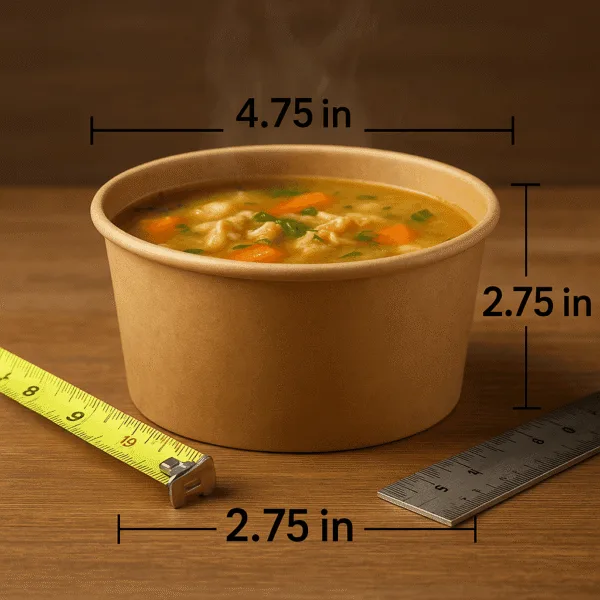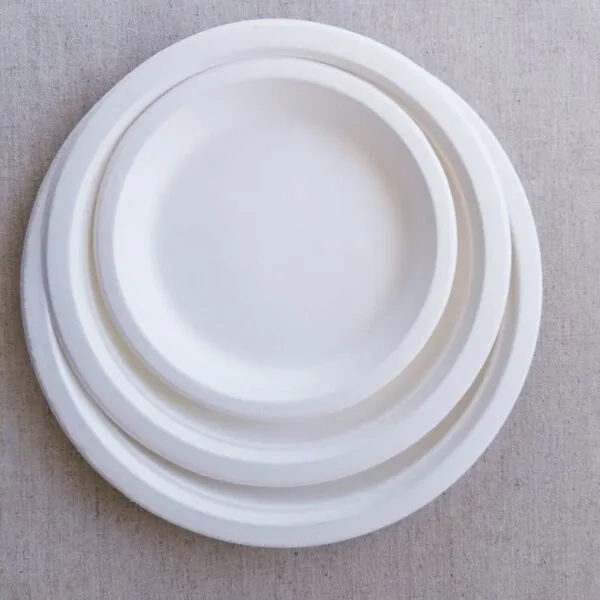










The European Union’s Single‑Use Plastics Directive (Directive (EU) 2019/904) targets a 50% reduction in single-use plastic tableware—including cups, cutlery, plates, cotton buds, and wet wipes—by 2025. Additionally, by 2025 all plastic beverage bottles must contain 25% recycled material, rising to 30% by 2030. Here’s a comprehensive look at the regulation, its purpose, how businesses can prepare, expert commentary, and how Bioleader® is positioned to help.
The EU’s Plastic Reduction Mandate: What’s Changing?
Directive (EU) 2019/904, in effect since July 3, 2021, addresses the worst offenders in marine litter—cups, cutlery, plates, straws, stirrers, and expanded polystyrene food containers.
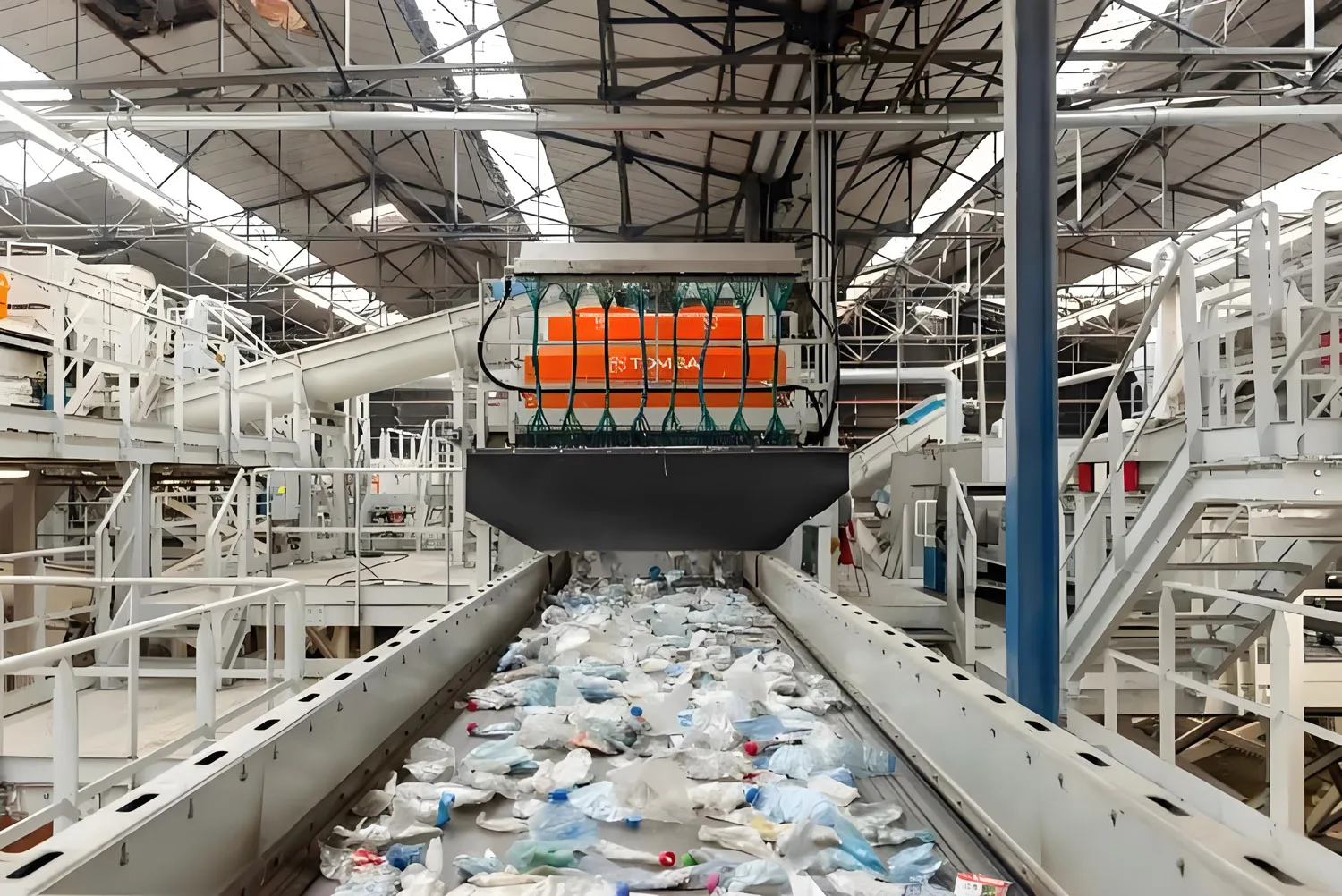
Key provisions include:
A 50% reduction in consumption of designated single-use plastics by 2025 (compared to 2022 levels).
A ban on placing certain items on the market, such as plastic cutlery, plates, cotton buds, balloons, and polystyrene food packaging.
From January 2025, plastic beverage bottles must contain at least 25% recycled PET, rising to 30% by 2030, with 77% collection targets by 2025 and 90% by 2029.
Caps on containers must remain attached during use; certain plastic items must bear clear disposal labelling.
These measures are part of a broader EU strategy to reduce marine pollution, promote a circular economy, and ensure that by 2030 all plastic packaging is reusable or recyclable.
Why the EU Is Cutting Plastic: Goals and Anticipated Gains
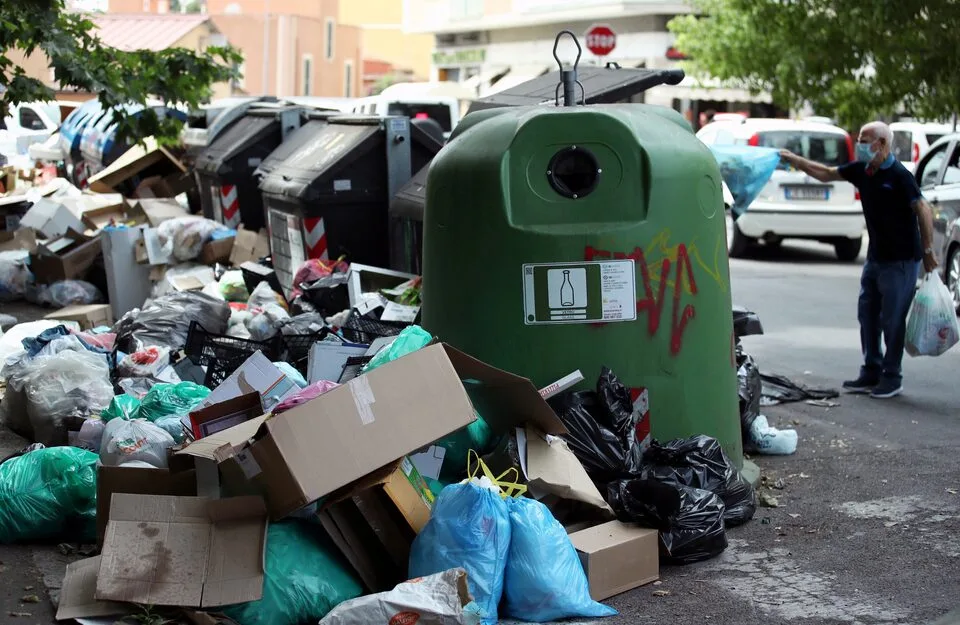
The Directive serves multiple ambitious aims:
Preserve Marine & Environmental Health
Single-use plastics make up ~43% of marine debris. The Directive aims to reduce this by targeting top offender items.Launch a Circular Economy for Plastics
Mandates for recycled content and collection targets push Europe toward a closed-cycle model where plastic is retained as a resource, not waste.Boost Consumer Awareness & Behaviour Change
Mandatory “tidy-disposal” labels and producer responsibilities intend to drive better habits at scale.Reduce Greenhouse Gas Emissions
Switching to recycled PET or compostable materials lowers carbon footprint. The move away from virgin plastic helps EU hit its 2050 carbon neutrality goals.Strengthen Producers’ Accountability
Extended Producer Responsibility (EPR) systems compel manufacturers to fund waste collection, cleanup, and public awareness efforts.
To understand why these measures are urgent, it’s essential to examine the current scale of plastic waste generation and recovery in Europe.
Per Capita Plastic Waste and Recycling Rates in Europe: Current Status and Treatment Methods
European Plastic Waste Generation: The Numbers
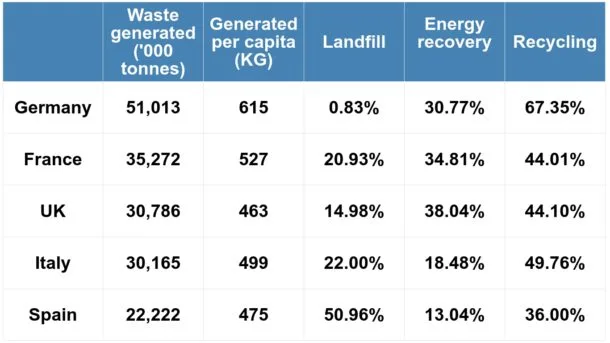
Across the EU, each person generates approximately 85 kg of plastic waste annually. This figure highlights the ongoing challenge of single-use plastic consumption in both households and businesses, placing significant strain on existing waste management systems.

Current Recycling and Recovery Practices
Around 64% of this plastic waste is collected for recycling or energy recovery. Mechanical recycling—the process of turning used plastics into new products—remains the primary method. However, a considerable portion is also incinerated for energy, which, while reducing landfill use, does not contribute to true material circularity. About 34% of plastic waste is still landfilled or escapes proper collection, leading to environmental leakage and lost resources.
Remaining Challenges and Policy Implications
Despite Europe’s robust recycling infrastructure, nearly 40% of all plastic waste is neither truly recycled nor reused. This significant gap highlights the ongoing limitations within the region’s circular economy and underscores the urgent need for reform. The EU’s 2025 plastics directive is specifically designed to address these shortcomings—by aggressively reducing single-use plastics and requiring the adoption of more sustainable, compliant alternatives throughout the value chain.
For tableware manufacturers and businesses, a data-driven understanding of these persistent challenges is essential—not only to ensure compliance with evolving EU regulations, but also to capitalize on the rapidly growing demand for environmentally responsible packaging solutions.
With these realities in mind, it is imperative for businesses to proactively adapt to the changing regulatory landscape. The following five steps offer a strategic and actionable framework to achieve compliance, minimize risk, and position for sustainable growth in the new era of EU plastics policy.
How Businesses Should Prepare: Five Key Steps
1️⃣ Audit & Reset Procurement
Map all current single-use plastic items—cups, cutlery, plates, straws. Establish baseline usage before 2022 to calculate required 2025 reduction.
2️⃣ Source Compliant Alternatives
Look for certified compostable or high-recycled materials, including bagasse, kraft, and recycled PET (rPET). Bioleader® offers bagasse clamshells and trays certified to EN13432 and BPI standards.
3️⃣ Update Supply Contracts
Embed compliance clauses for recycled content in bottle and packaging orders. Require traceability for rPET and compostable certifications.
4️⃣ Revise Product & Menu Design
Optimize offerings to reduce packaging needs (e.g., bulk condiments, refillable dispensers) and highlight eco-friendly containers.
5️⃣ Engage Customers
Display clear disposal icons. Educate consumers on composting, recycling, and proper sorting. Promote sustainability as a brand value.
For restaurant chains, producers, and distributors, proactive adoption is not optional—it’s critical to avoiding fines, business disruption, and losing consumer trust.
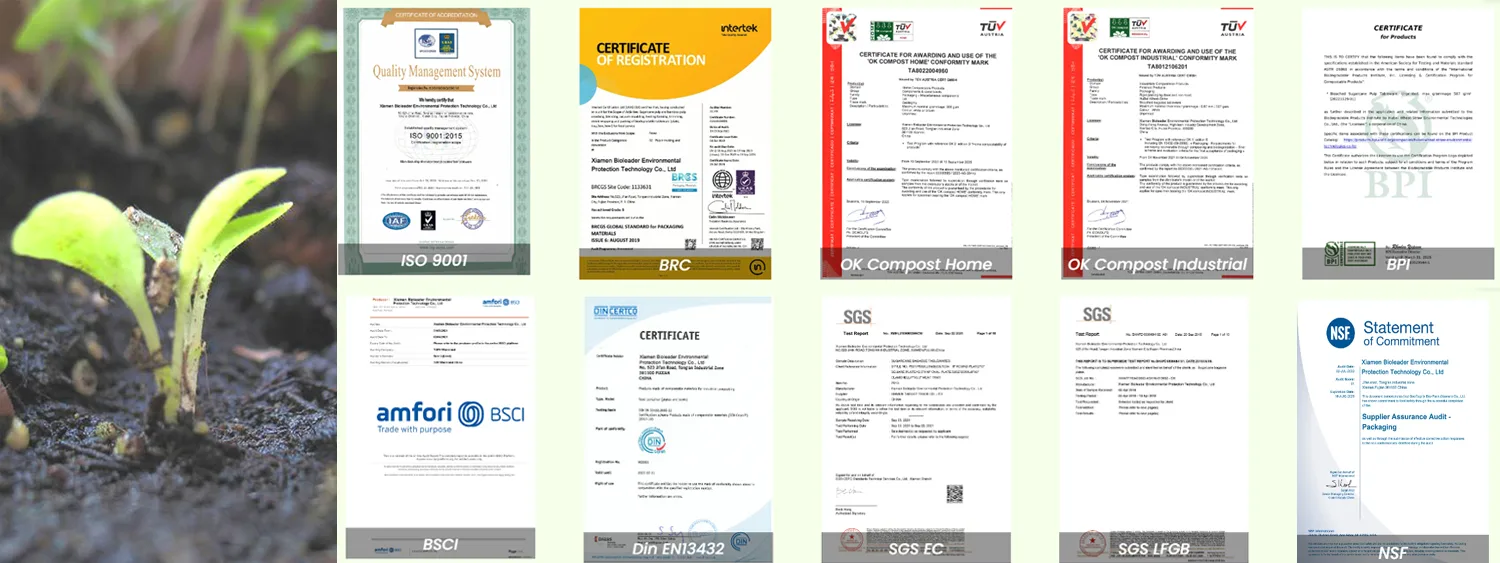
Bioleader Certificates
Expert Interpretation: Industry Needs Insight
“Reducing single-use plastics by 50% is a watershed moment in European environmental policy,” says Dr. Jane Anderson, Senior Research Fellow at London’s Imperial College Centre for Environmental Policy.
“Mandated recycled content in bottles will spur investment in domestic recycling infrastructure—ensuring PET remains within the circular economy.”
Prof. Roland Geyer, co-author of Production, Use, and Fate of All Plastics Ever Made, adds:
“These regulations are not just bans—they are incentives. By specifying minimum recycled content and compostability standards, Europe is reshaping supply chains and steering innovation.”
Their insights signal that the directive is less about restriction and more about building new sustainable business pathways aligned with global environmental goals.
🌱 Bioleader®’s Product Solutions: Designed for the New EU Era
As the EU’s 2025 plastic reduction goals approach, Bioleader® is helping global foodservice businesses transition quickly and confidently with certified, scalable alternatives:
1. Bagasse Tableware: Sustainable Strength from Sugarcane
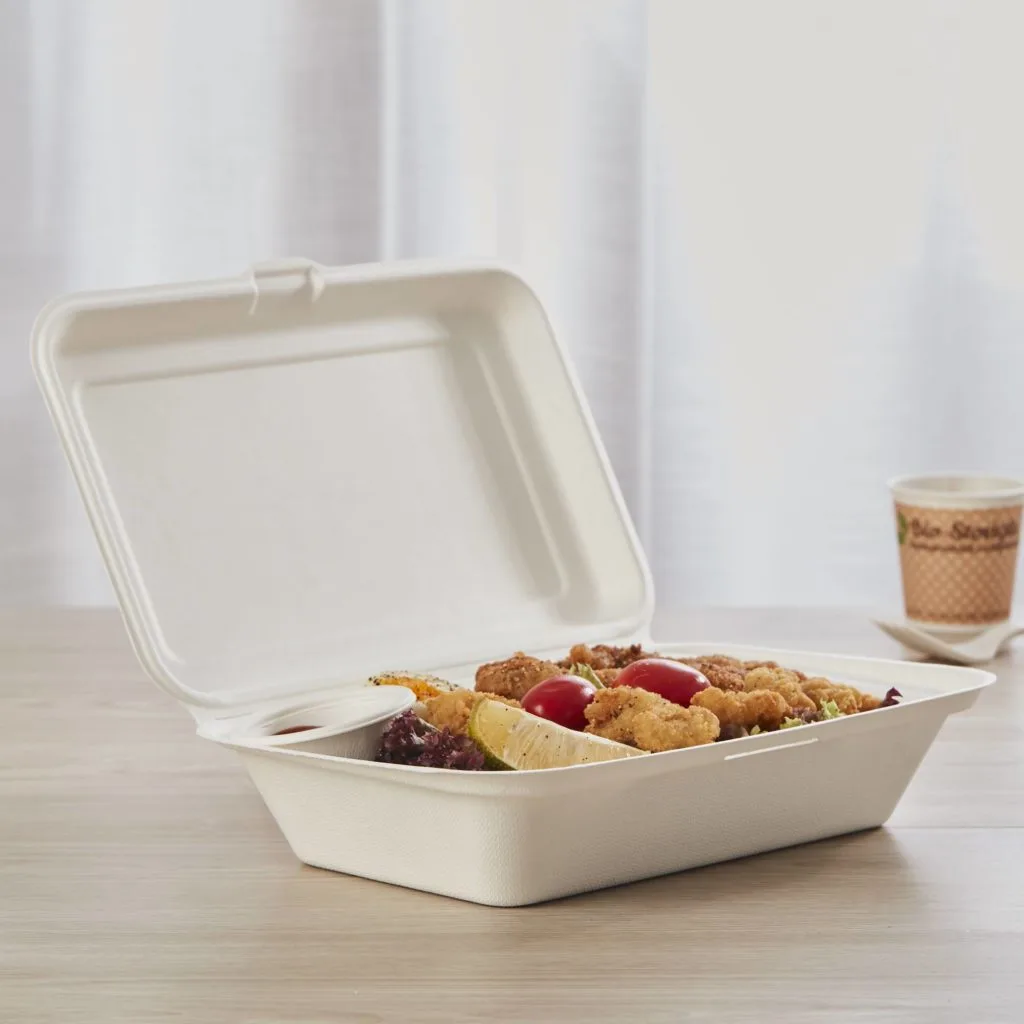
Made from the fibrous residue of sugarcane, Bioleader®’s bagasse series includes:
Clamshell food containers, plates, bowls, and trays
Microwave- and freezer-safe, oil- and leak-resistant
Compostable in under 90 days and certified under EN13432, BPI, and FDA food-grade standards
Durable for both dine-in and delivery use
2. Cornstarch Cutlery: Biodegradable Convenience
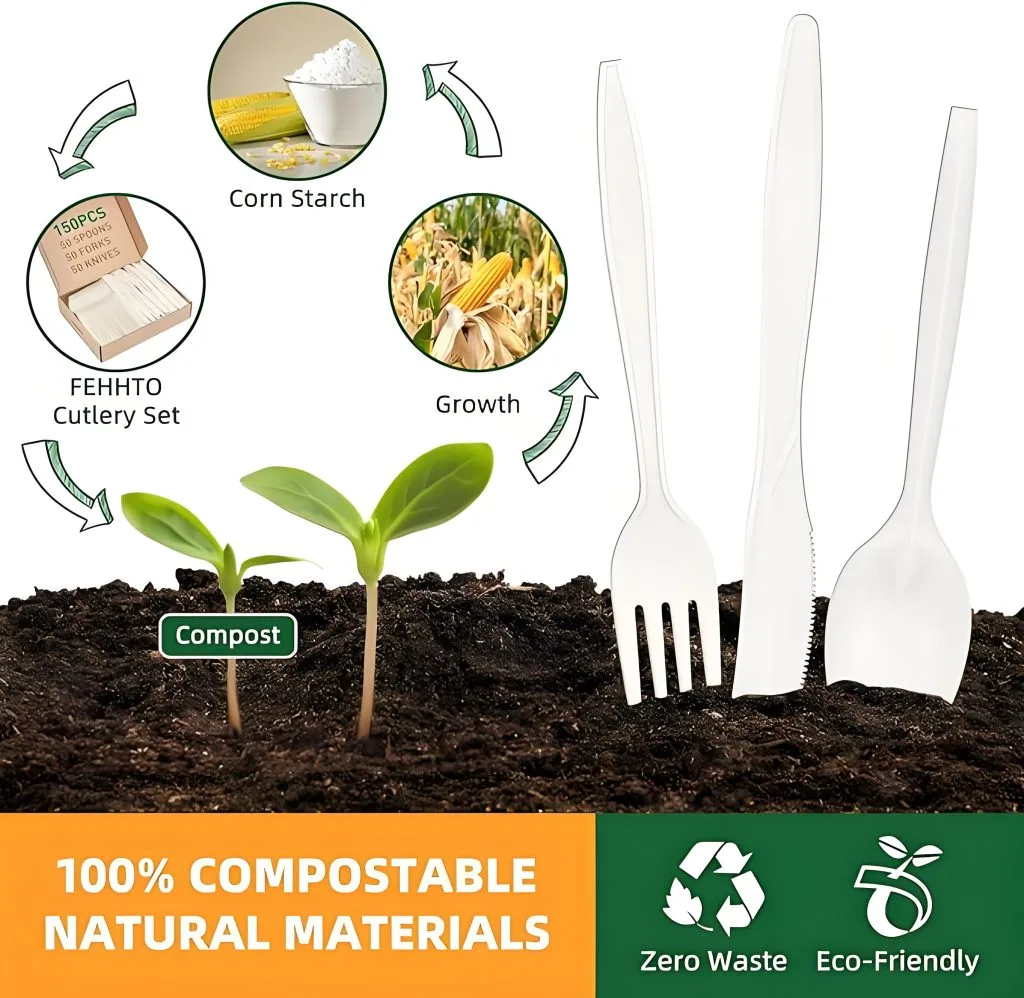
Crafted from renewable corn-based PLA or CPLA blends, our cornstarch utensils include:
Forks, knives, spoons, and sporks with enhanced heat resistance
Available in white, beige, or black to suit aesthetic and branding needs
Ideal for schools, airlines, and QSRs prioritizing plastic-free utensils
Compliant with ASTM D6400 and fully compostable under industrial conditions
3. Eco Paper & PLA Cups: Plastic-Free Beverage Solutions
Bioleader®’s sustainable drinkware line includes:
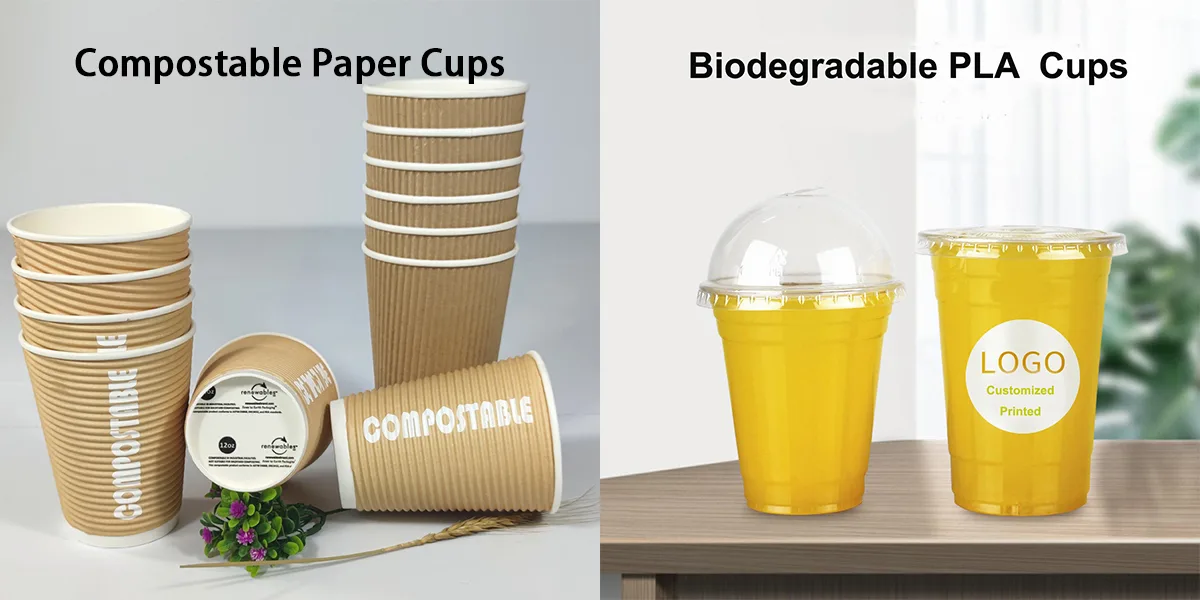
Plastic-free paper cups with PLA or aqueous linings, ideal for coffee, tea, and soup
Clear PLA cold cups with dome or flat lids, perfect for smoothies, juice bars, and events
Sizes range from 4oz to 32oz, compatible with EU drinkware demands
Leak-proof, customizable, and produced in BPI-, FSC®, and EN-certified facilities
Together, these product lines help businesses meet the EU SUP Directive with style, safety, and sustainability.
FAQs
1. What items are banned under the EU Single‑Use Plastics Directive?
Disposable plastic cutlery, plates, straws, stirrers, balloon sticks, and expanded polystyrene containers are banned across the EU from July 2021.
2. Are businesses required to use recycled content in plastic bottles?
Yes. From 2025, all PET beverage bottles must contain at least 25% recycled material, rising to 30% by 2030.
3. Can compostable materials like bagasse or PLA help with the EU plastic rules?
Absolutely. Compostable materials that meet EN13432 or BPI are accepted substitutes for banned items such as cutlery and food containers.
4. What packaging certifications should businesses look for?
Certificates include EN13432, BPI, TÜV Austria OK Compost, and approved rPET documentation for recycled bottles.
5. When will enforcement begin and what are the penalties?
EU member states began implementation from 2021. Financial penalties, product bans, and halted business operations can be enforced from 2025 onwards for non‑compliance.
Final Thought: Compliance Is Just the Start of Innovation
The EU’s Directive is a bold step toward a circular, plastic-free future. By targeting consumption halves and mandating recycled content, it not only protects the environment but reshapes the packaging industry. For companies—from drink producers to restaurants and retailers—this means more than avoiding fines; it’s an invitation to innovate, differentiate, and build brand trust.
Bioleader® is ready to partner with you on that journey. Whether you need bagasse trays, compostable cutlery, or rPET cups, our solutions meet EU standards and help your brand lead the sustainability shift.
References
European Commission – “Single-use plastics – fighting the impact on the environment”
Packaging Europe – “Europe’s Single Use Plastics Directive: What do we know so far?”
Plastics Engineering – “Key 2025 Targets of the EU Single‑Use Plastics Directive”
EUR-Lex – Directive (EU) 2019/904
ICIS – “Confusion over R‑PET legislation in Europe causes ‘chaos’ ahead of 2025”
AGRINFO (EU‑funded) – “Single‑use plastics explained”
Foresight – “New EU Guidelines for Recycled Plastic Bottles”