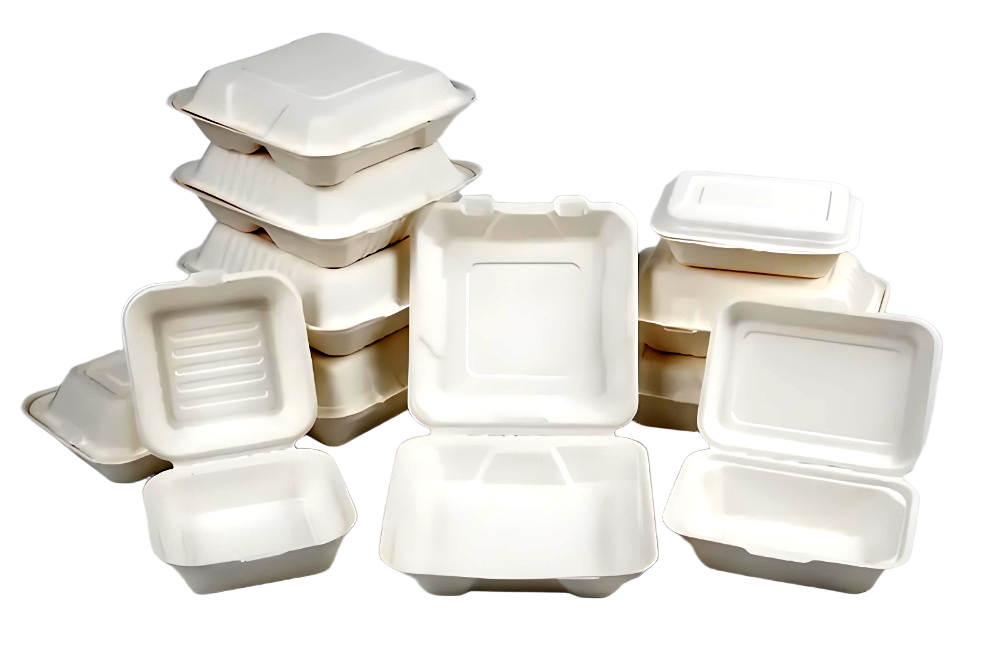
Paper plates have become increasingly popular due to their convenience, affordability, and ease of disposal. Whether you’re hosting a quick gathering, planning a picnic, or simply looking to avoid washing dishes, paper plates often emerge as a practical choice. However, one critical question consumers frequently ask is, “Can you microwave paper plates?” This blog provides an in-depth exploration of the safety and suitability of microwaving paper plates, backed by scientific studies, experimental data, and expert insights.
Can You Put Paper Plates in the Microwave?
Yes, you generally can put paper plates in the microwave, but not all paper plates are created equal. It’s essential to ensure the plates you’re using are explicitly labeled as microwave-safe. Many consumers mistakenly assume that all paper plates are microwave-friendly, which can lead to safety risks and unwanted chemical exposure.
Understanding Microwave Safety Labels
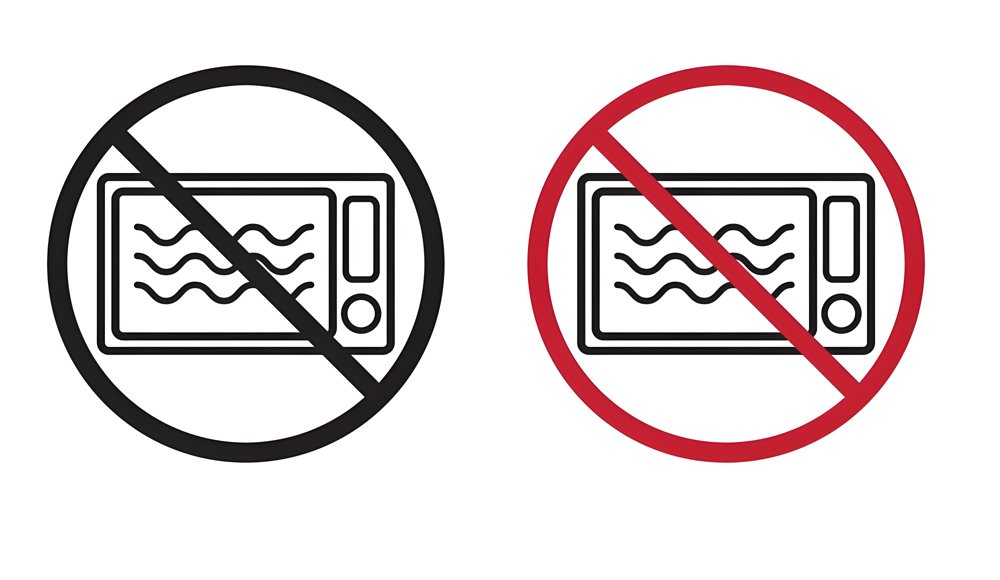
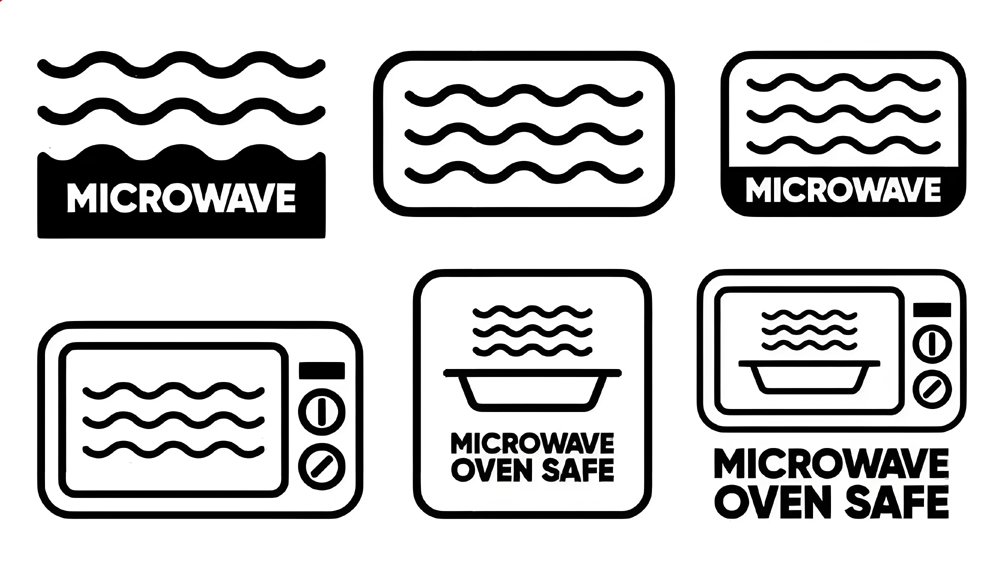
When selecting paper plates, look carefully for a microwave-safe symbol or clear instructions from the manufacturer indicating their suitability. Brands specifically designed for microwave use are typically made from thicker, sturdier materials and are tested under high temperatures to ensure they don’t pose fire hazards or chemical risks.
|  |
Are Paper Plates Microwave Safe?
The microwave safety of paper plates depends significantly on their composition and the materials used in their manufacturing process. While most paper plates are relatively safe, the presence of specific coatings and dyes can affect their microwave compatibility.
Materials and Coatings on Paper Plates
Paper plates come with various coatings that significantly influence their microwave safety. Plates coated with plastic or wax may melt or leach harmful chemicals when heated. Research conducted by the U.S. Department of Agriculture (USDA) highlights the potential risks of chemical migration from certain plastics under heat, emphasizing the importance of using explicitly labeled microwave-safe products.
Conversely, biodegradable or compostable paper plates made with natural, plant-based coatings like polylactic acid (PLA) typically perform better in microwaves. These products minimize chemical exposure and provide safer alternatives for heating food.
Can Paper Plates Go in the Microwave?
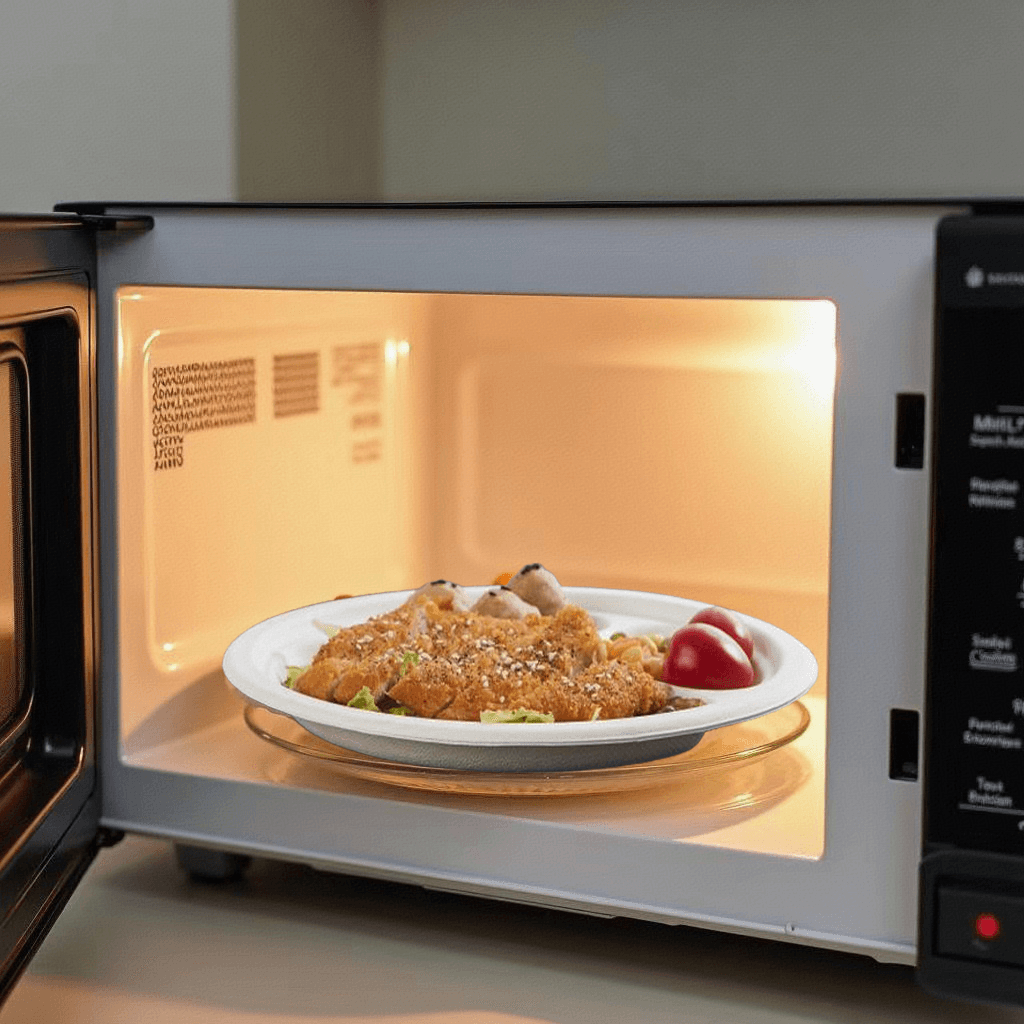
Microwaving paper plates is generally safe when done correctly and with the right product. However, there are essential considerations to ensure safety and prevent unwanted incidents.
Risks of Microwaving the Wrong Paper Plates
Microwaving paper plates not designed for high heat can cause several issues:
- Fire hazard: Thin, untreated paper plates can catch fire due to uneven heat distribution.
- Chemical contamination: Plates with colorful patterns, ink, or plastic linings may leach toxins into food.
According to a study by the American Chemistry Council, microwaving unsuitable containers, including poorly made paper plates, poses significant health risks due to chemical leaching, underscoring the need for careful selection of microwave-safe products.
Identifying Microwave-Safe Paper Plates
Certification and Symbols
Microwave-safe paper plates typically bear certification symbols clearly indicating their safety for heating. These symbols indicate compliance with safety standards set by organizations such as the Food and Drug Administration (FDA) and international safety standards.
Heat Resistance and Durability
Quality microwave-safe paper plates should withstand temperatures without deforming or releasing substances. When selecting plates, opt for sturdy, heat-resistant options labeled explicitly for microwave usage.
Types of Paper Plates and Their Microwave Safety
There are various types of paper plates available, each with unique features affecting their suitability for microwave use.

Standard Paper Plates
Standard paper plates are thin, disposable, and typically inexpensive. However, they are usually not designed for microwave use, as they can become unstable or ignite under high temperatures.
Coated Paper Plates
Coated plates come with a thin layer of wax or plastic. These plates are sturdier than standard plates but pose risks due to potential chemical leaching when heated. Only those specifically marked as microwave-safe should be used.
Compostable Paper Plates
Compostable plates made from natural fibers, like sugarcane (bagasse) or bamboo, typically have good microwave performance. These plates are durable, heat-resistant, and environmentally friendly, making them a reliable choice.
Heavy-Duty Paper Plates
Heavy-duty paper plates are thick, sturdy, and usually clearly labeled as microwave-safe. These plates effectively resist heat without deformation or chemical release, making them ideal for microwaving food.
| Type of Plate | Microwave Safe? | Risk Level |
|---|---|---|
| Standard Paper Plates | Generally No | High |
| Coated Paper Plates | Sometimes | Medium |
| Compostable Plates | Yes | Low |
| Heavy-Duty Plates | Yes | Low |
This comparison chart provides clarity for choosing the right type of plate for microwaving purposes.
Scientific Research and Experimental Data
Studies on Chemical Leaching
Research published in Food Additives & Contaminants found that microwave heating significantly increases the rate of chemical migration from non-certified paper plates, especially those containing plastic coatings and colorful inks. The results emphasized the importance of microwave-safe certifications to avoid harmful exposure.
Thermal Stability Experiments
An experiment conducted by the American Society for Testing and Materials (ASTM) evaluated various paper plates’ thermal stability. Compostable and heavy-duty plates demonstrated stable performance up to 250°F without deformation or significant chemical release. In contrast, standard and wax-coated plates showed signs of deformation and chemical leaching at temperatures as low as 160°F.
Consumer Safety Surveys
According to a consumer safety survey by Consumer Reports, nearly 80% of respondents mistakenly believed that all paper plates were safe to microwave. The report strongly recommends consumers verify labels and certifications to avoid unintended health risks.
Tips for Safely Microwaving Paper Plates
- Always verify labels and certifications before use.
- Never use plates that have metallic trims or coatings.
- Allow food heated on paper plates to stand briefly before handling, as plates can become hot.
Environmental Considerations of Using Paper Plates
Eco-Friendly Options
Choosing environmentally friendly, biodegradable paper plates contributes positively to sustainability efforts. Brands producing compostable and recyclable paper plates offer eco-conscious solutions that reduce environmental impact without compromising microwave safety.
Recommend Bioleader’s Microwave-safe Eco-friendly Sugarcane Bagasse Plates
Bioleader® is a leading Chinese manufacturer specializing in eco-friendly tableware crafted from sugarcane bagasse. Our range of compostable sugarcane bagasse tableware, including plates & dishes, clamshell boxes, food containers, bowls, and trays with lids, offers an environmentally friendly alternative to food packaging.

Conclusion: Microwave Paper Plates Safely
In conclusion, while you can microwave paper plates safely, it’s essential to select products explicitly labeled as microwave-safe. Understanding the materials, certifications, and research associated with paper plates ensures your meals are both convenient and safe.
FAQ
1. Are all paper plates microwave-safe?
Not all paper plates are microwave-safe. Plates without plastic or foil lining are generally safe for short reheating, but always check the packaging for guidance.
2. How long can you microwave a paper plate?
It’s recommended to microwave paper plates for no more than 1–2 minutes at a time to avoid overheating or weakening the plate’s structure.
3. Can paper plates catch fire in the microwave?
While rare, thin or low-quality paper plates can overheat and pose a fire risk if left too long in the microwave or used with greasy, high-fat foods.
4. How do you tell if a paper plate is microwave-safe?
Look for a “microwave-safe” label on the packaging. Avoid plates with coatings, plastic film, or metallic elements, which are not microwave-friendly.
5. Is it safe to microwave food with sauce or oil on paper plates?
Yes, but use high-quality paper plates. Excess oil or sauce can overheat and soak through lower-grade plates, potentially causing mess or safety concerns.
6. What types of paper plates are best for reheating food?
Heavy-duty or compostable paper plates made from bagasse or thicker paperboard materials are best for reheating, as they’re more heat- and leak-resistant.
7. Can you microwave compostable or eco-friendly paper plates?
Most compostable plates, such as those made from bagasse or cornstarch blends, are microwave-safe for short durations, but always confirm with the manufacturer.
Reference Source List
- Can You Microwave Paper Plates? (Is It Safe? What to Know) thekitchn.com
- Cooking with Microwave Ovens www.fsis.usda.gov U.S. Department of Agriculture, Food Safety and Inspection Service
- Can You Put Disposable Paper Plates and Dishes in the Microwave or Oven?bioleaderpack.com BioLeader