- Best for: takeaway brands, delivery operators, restaurants, distributors and procurement teams sourcing paper bowls with lids.
- Main decision: confirm that the selected lid fits the exact bowl size, rim design and food temperature.
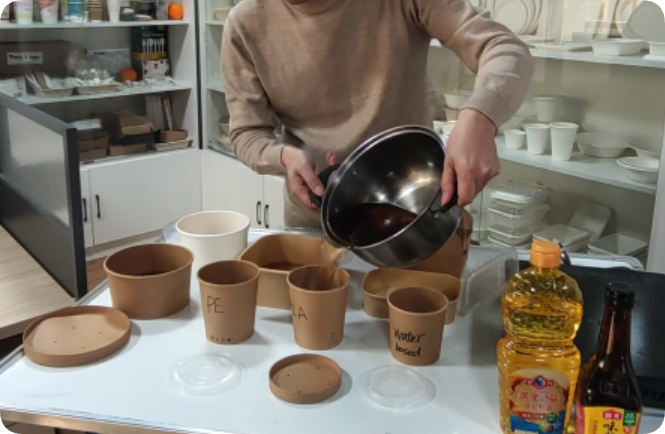
- Buyer action: test filled samples under realistic holding, transport and opening conditions before approving production.
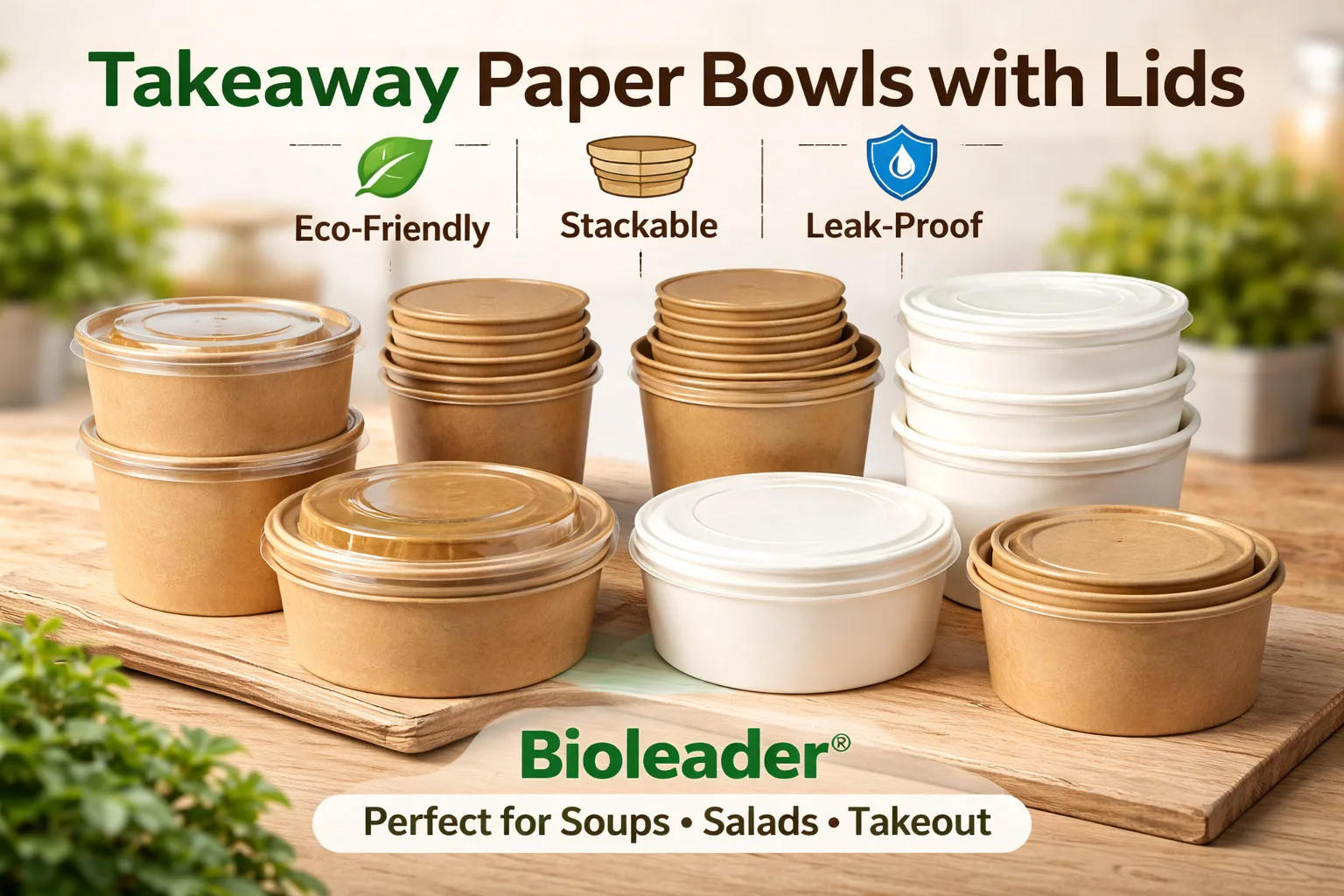
Paper bowls with lids are often purchased for convenience, delivery safety and food presentation, but the lid is also one of the most common sources of buyer complaints. A lid that looks correct in a catalog can feel loose on the rim, deform with hot food, fog heavily, crack during stacking or become difficult for customers to remove cleanly.
For B2B buyers, the key question is not simply whether a bowl has a lid. The key question is whether the bowl, rim and lid work together under the intended food temperature, fill weight, holding time and delivery route. Bioleader® treats lid matching as part of product quality control because small tolerance differences can decide whether a paper bowl performs well in real foodservice use.
Why lid fit defines delivery performance
A paper bowl lid must do several things at once. It should stay attached during handling, resist accidental opening, reduce leakage risk, protect food presentation and remain easy for the customer to remove. If the lid is too loose, the order may spill. If it is too tight, the rim may deform or the customer may damage the bowl while opening it.
Buyers sourcing paper bowls, disposable soup bowls with lids or paper takeaway bowls with lids should test the finished bowl-and-lid combination, not only the separate components. The rim diameter, paperboard stiffness and lid forming tolerance all matter.
Rim design and snap-fit basics
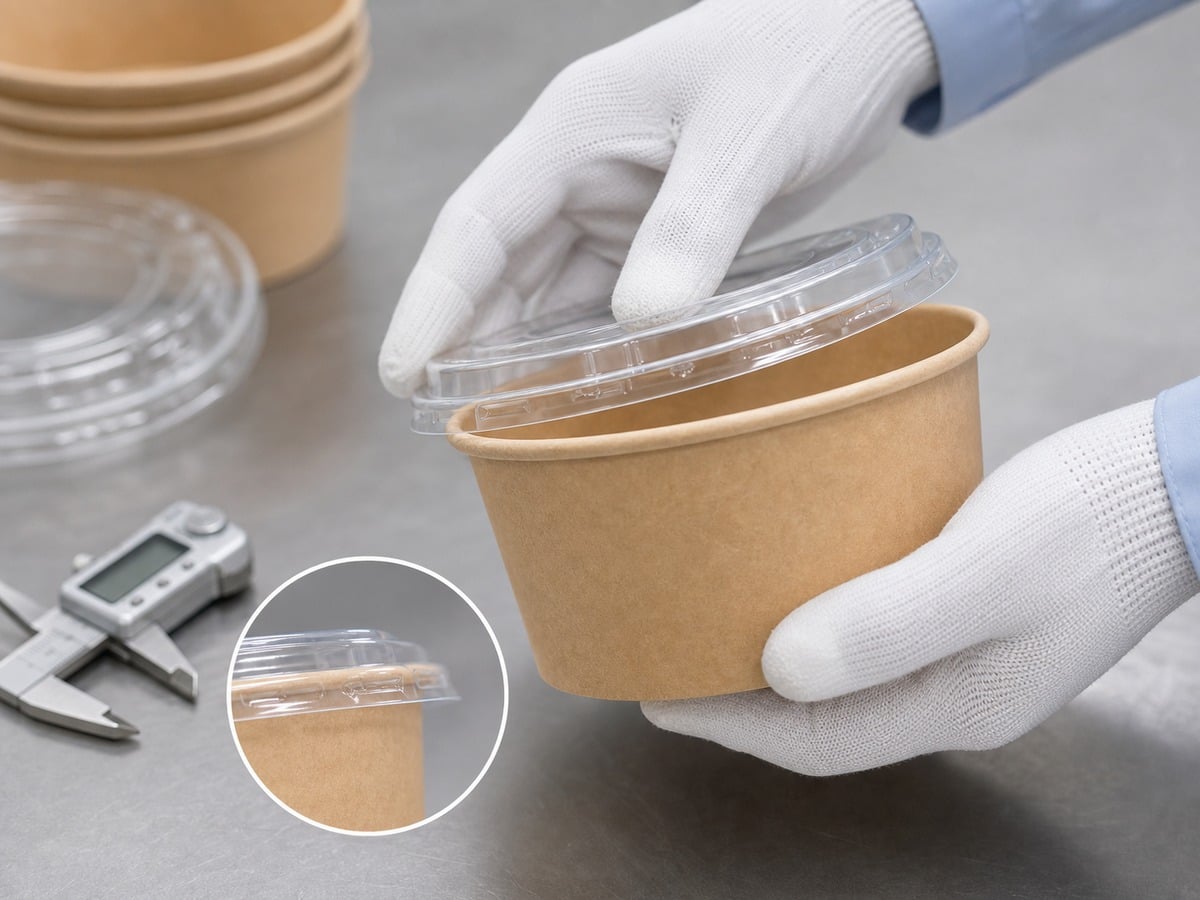
The rim is the contact point between the paper bowl and the lid. A stronger rolled rim may give a more stable snap feel, while a weaker or inconsistent rim can cause loose areas around the lid. Buyers should check whether the lid fits evenly around the full circumference, whether there are visible gaps and whether the lid remains stable after the bowl is filled.
Snap-fit should be evaluated by hand as well as visually. A good fit usually gives a clear seating feel without requiring excessive pressure. The lid should not pop off when the filled bowl is lifted, gently tilted or moved in a delivery bag. For buyers comparing broader paper bowl options, paper bowls with lids size and MOQ guidance can support size and lid planning.
Paper bowls with lids buyer checklist
| Check point | What buyers should test | Risk if skipped |
|---|---|---|
| Rim consistency | Check roundness, rolled rim strength and diameter consistency across samples | Loose lid areas, uneven sealing and poor stacking stability |
| Snap-fit feel | Press lid onto a filled bowl and check seating force, fit sound and removal effort | Spills during delivery or customer frustration when opening |
| Heat exposure | Test the lid with hot soup, noodles or rice meals at expected serving temperature | Lid warping, fogging, softening or rim deformation |
| Transport simulation | Place filled lidded bowls in a bag or tray and simulate delivery movement | Leakage, lid pop-off and food presentation complaints |
| Stacking pressure | Stack filled or empty lidded bowls as they may be packed in real operation | Cracked lids, compressed rims or unstable cartons |
PET, PP and paper lids compared
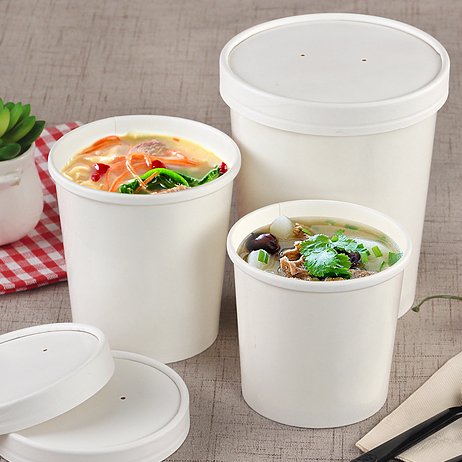
PET lids are often selected for visibility. They help salad, deli and cold food buyers show product freshness and ingredients, but they may not be the best choice for high-heat applications. PP lids may be considered for warmer food because of heat tolerance, but buyers still need to check deformation, fit and food presentation. Paper lids may support a more fiber-based packaging position, but they can change visibility, moisture behavior and customer experience.
There is no single best lid material for every paper bowl. Salad chains may care most about clarity, condensation and presentation. Soup brands may prioritize heat resistance and spill control. Delivery platforms may care about stacking, tamper-evident options or operational speed. Buyers should compare lid material together with the bowl structure and coating, especially when using paper salad bowls or hot soup formats.
Heat resistance and deformation risk
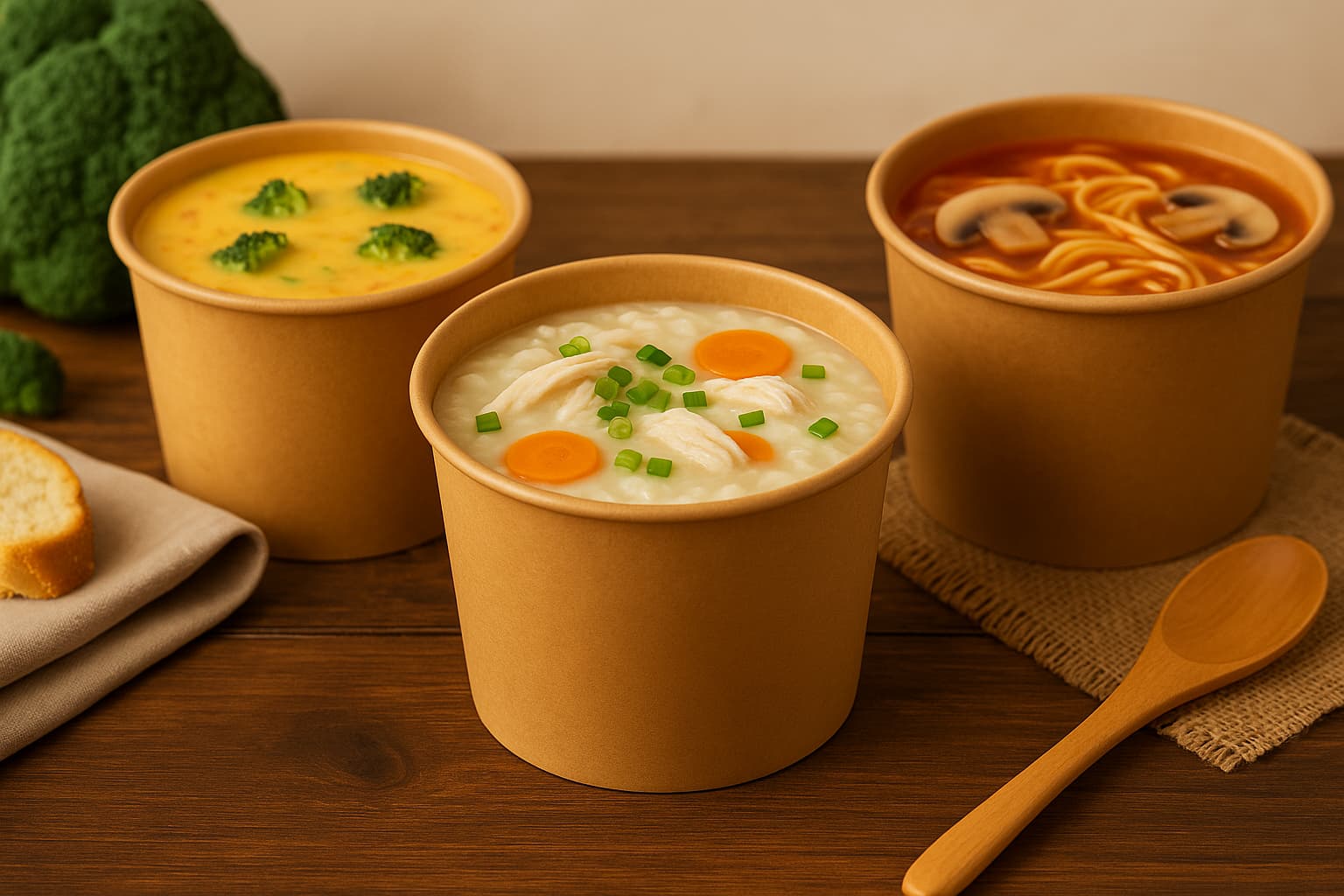
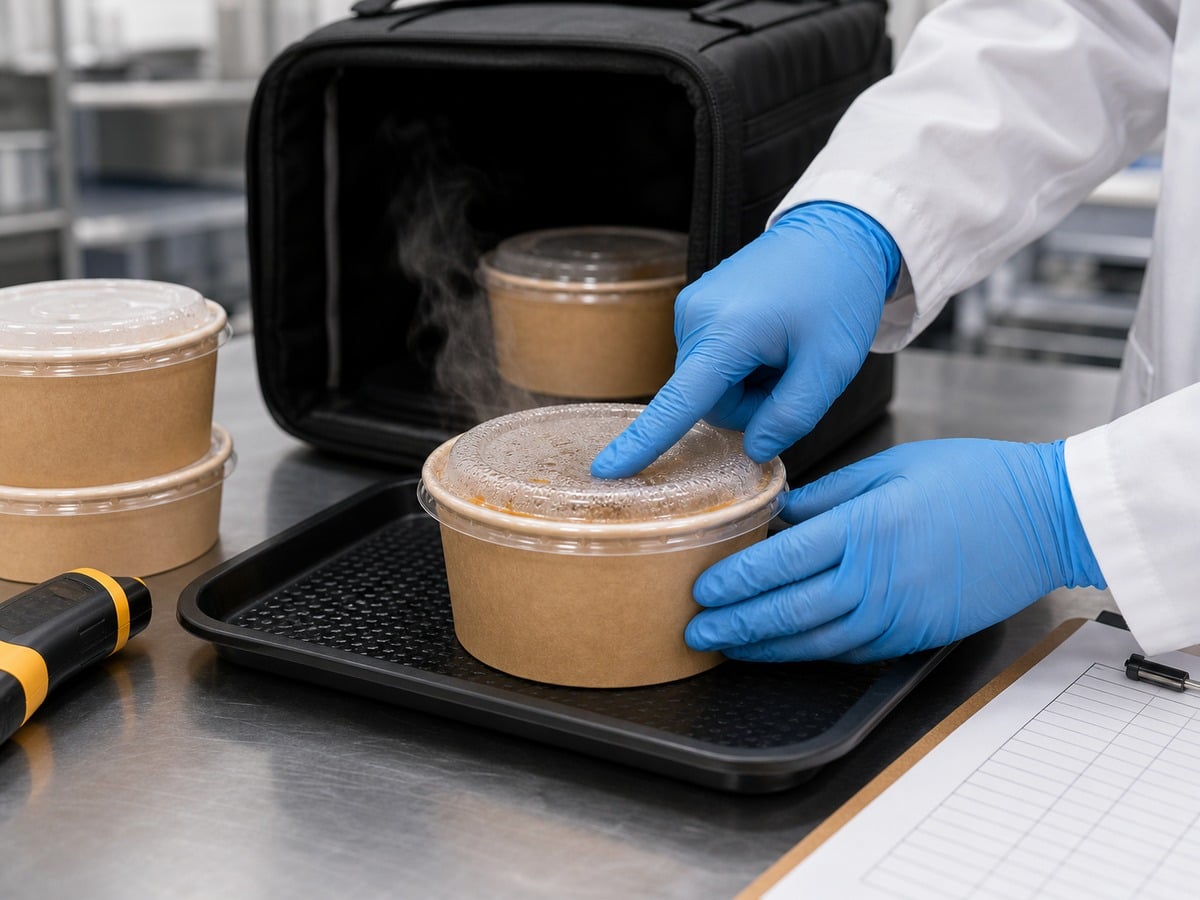
Hot food changes lid behavior. Steam can soften some lids, increase fogging, change fit and place pressure on the rim. If the lid deforms, the bowl may still look acceptable at packing but fail after ten or twenty minutes in a delivery bag. This is why hot-fill testing should include the expected holding time and realistic handling.
Buyers reviewing heat and leak tested paper soup bowls or soup takeaway packaging should check both bowl coating and lid material. A heat-resistant bowl can still disappoint customers if the lid bends, leaks or becomes hard to remove.
Manufacturer insight: test the exact bowl and lid pair
From a manufacturer perspective, lid fit is a tolerance issue. A lid that fits one bowl series may not fit another bowl with the same nominal capacity. Paperboard thickness, rim forming, coating, forming mold and storage condition can all change the result. Bioleader® recommends testing the exact bowl size and lid material that will be used in production.
For custom projects, buyers should not approve lid fit from a different sample family. The final lid should be tested with the final bowl structure, coating, print design and carton packing plan. This helps avoid problems that only appear after the first bulk shipment.
Leakage checks before bulk orders
Leakage does not always mean liquid passes through the paperboard. In many delivery complaints, leakage happens because the lid and rim do not control movement when the bowl is tilted, squeezed or shaken. Buyers should therefore test side tilt, bag movement, stacking and customer opening, not only static water holding.
A useful leakage test should use the real food or a close substitute. Hot soup, oily sauce, salad dressing and rice meals behave differently. If the buyer cannot test every menu item, they should test the highest-risk food first. For broader quality testing context, waterproof and oil resistance testing of paper bowls offers useful supporting guidance.
Sample approval process for paper bowls with lids
| Step | Buyer action | Approval signal |
|---|---|---|
| Confirm food scenario | Define hot or cold food, fill level, delivery time and lid requirement | Supplier recommends bowl and lid based on actual use |
| Check dry fit | Fit lid onto empty bowl and inspect rim contact | Lid seats evenly without gaps or cracking |
| Check filled fit | Test lid after filling the bowl with real or simulated food | Lid remains stable after heat, weight or moisture exposure |
| Simulate delivery | Move, tilt and stack the lidded bowl as in takeaway handling | No pop-off, spill path or major deformation appears |
| Review customer opening | Remove lid after holding time and check bowl rim condition | Lid removes cleanly without tearing the bowl or splashing food |
How Bioleader® supports lid matching
Bioleader® supports B2B buyers by reviewing paper bowl size, rim structure, coating, lid material, food type, custom printing and packing needs together. This is important because lid performance is rarely isolated from the bowl body. A buyer ordering customized paper bowls with lids should confirm both brand appearance and practical lid performance before bulk production.
For buyers sourcing delivery packaging, Bioleader® can help compare PET, PP and paper lid options, prepare samples, review leakage risk and support export order planning. The goal is to make the selected package work for the menu, not just look correct in a product photo.
Product selection path for buyers
Start with the food application, then choose bowl capacity, coating, lid material and carton plan. Buyers can compare related options such as water-based coating paper bowls with lids, disposable soup bowls with lids and kraft paper bowls with lids for food delivery.
Conclusion
Paper bowls with lids should be approved through finished-product testing. Lid material, rim shape, snap-fit, heat behavior and delivery movement all affect whether the package performs well. Buyers who test the exact bowl and lid combination before bulk ordering are more likely to avoid leakage, deformation and customer complaints.
If your team is preparing a lidded paper bowl project for soup, salad or takeaway delivery, Bioleader® can help review bowl structures, lid materials, sample tests, custom printing and export order planning.
FAQ
What lid material is best for paper bowls with lids?
There is no single best lid material for every application. PET lids are often used for visibility, PP lids may support warmer food applications, and paper lids may support a fiber-based packaging position. Buyers should choose based on food temperature, presentation, delivery time and sample test results.
Why do paper bowl lids become loose during delivery?
Lids may become loose because of rim inconsistency, wrong lid size, heat deformation, bowl softening, overfilling or delivery movement. Buyers should test the exact bowl and lid pair with realistic food weight and handling before approving bulk orders.
Can PET lids be used for hot soup bowls?
PET lids are widely used for clarity, but buyers should be cautious with hot soup. Heat and steam can affect lid behavior, fogging and fit. If the application is hot, buyers should test the final sample or consider a lid material better suited to heat exposure.
How should buyers test paper bowls with lids?
Buyers should check dry fit, filled fit, side tilt, delivery movement, stacking and customer opening. The test should use the real food or a close substitute at the intended temperature and holding time.
Are paper lids better than plastic lids?
Paper lids may support a more fiber-based packaging message, but they are not automatically better for every use. Buyers should compare visibility, moisture behavior, heat stability, fit, cost and local disposal expectations before choosing.
How can Bioleader® help with lidded paper bowl sourcing?
Bioleader® can help buyers match paper bowl size, coating, rim design and lid material, then review samples for fit, leakage, heat behavior and packing. This supports safer bulk sourcing for restaurants, distributors and delivery food brands.