PE Vs PLA Paper Cups: A Straightforward Guide | Bioleader®
Actionable coverage of PE vs PLA paper cups: eco-friendly, biodegradable, compostable materials, performance data, and compliance under EN13432 & ASTM D6400. Includes BPI/TÜV references and Food-Contact Tested guidance for safe deployment. Buyer-focused: manufacturer insights, bulk/wholesale buying playbooks, OEM/ODM customization tips, full size range selection.
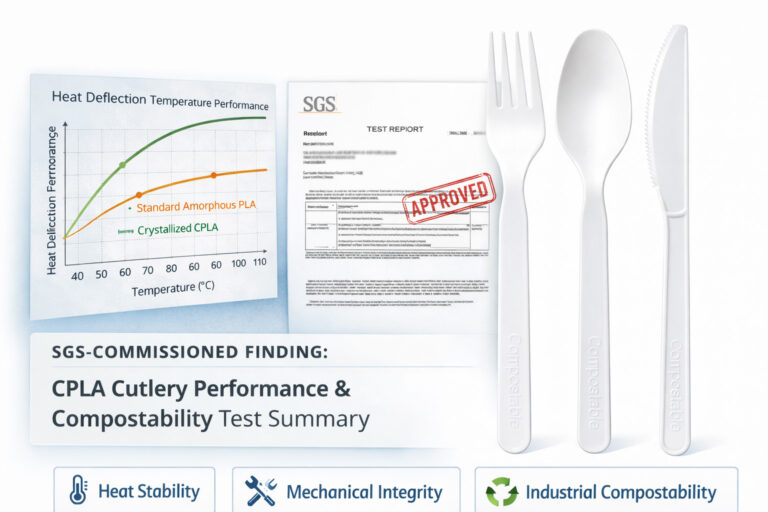
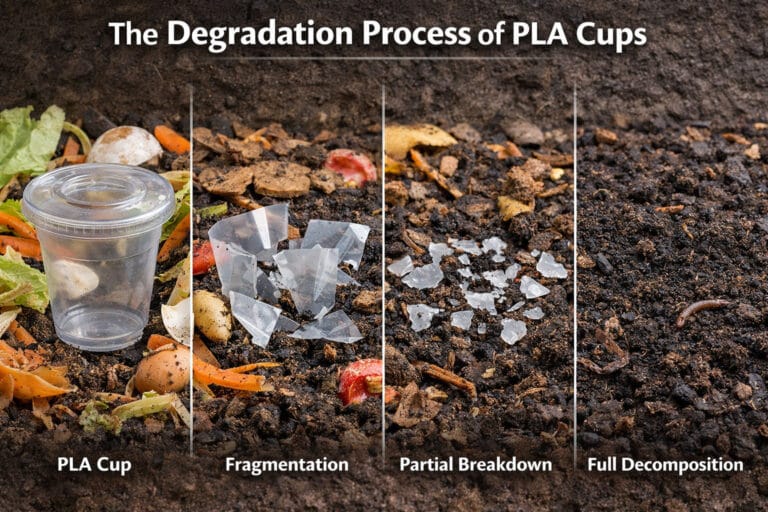
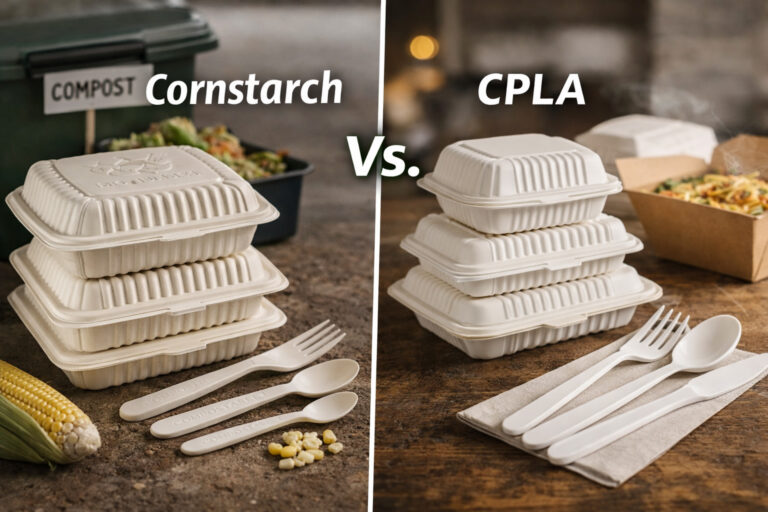
Compostable plastic spoons and forks are typically made from plant-based materials such as cornstarch, PLA (polylactic acid), or CPLA — PE vs PLA paper cups. These materials are biodegradable and designed to break down into natural elements in composting environments.
個別包装されたプラスチック製カトラリーの利点は何ですか?
Individually wrapped plastic cutlery ensures high levels of hygiene, protects against contamination, and provides a convenient and sanitary solution for foodservice environments , PE vs PLA paper cups.
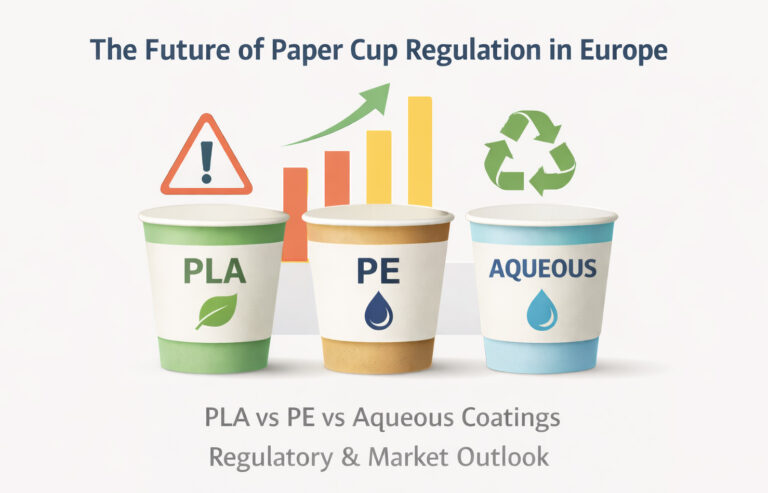
Regulatory Factor PE Lining PLA Lining Aqueous Barrier* Classified as plastic under SUPD Yes Yes Formulation-dependent Mandatory marking Yes Yes Market-dependent EPR inclusion Yes Yes Likely reduced in some cases Branding friction High Moderate Lower Policy tightening risk High Moderate Lower Long-term compliance stability Weak Moderate Stronger *Note: Aqueous classification depends on polymer composition and national interpretation. The model illustrates a core reality: PLA no longer reduces compliance exposure relative to PE. Its advantages must therefore be justified on lifecycle or carbon grounds rather than regulatory grounds. 5.
To contextualize distributor concerns, Bioleader® developed an internal compliance exposure model comparing PE, PLA, and aqueous-coated cups — PE vs PLA paper cups.