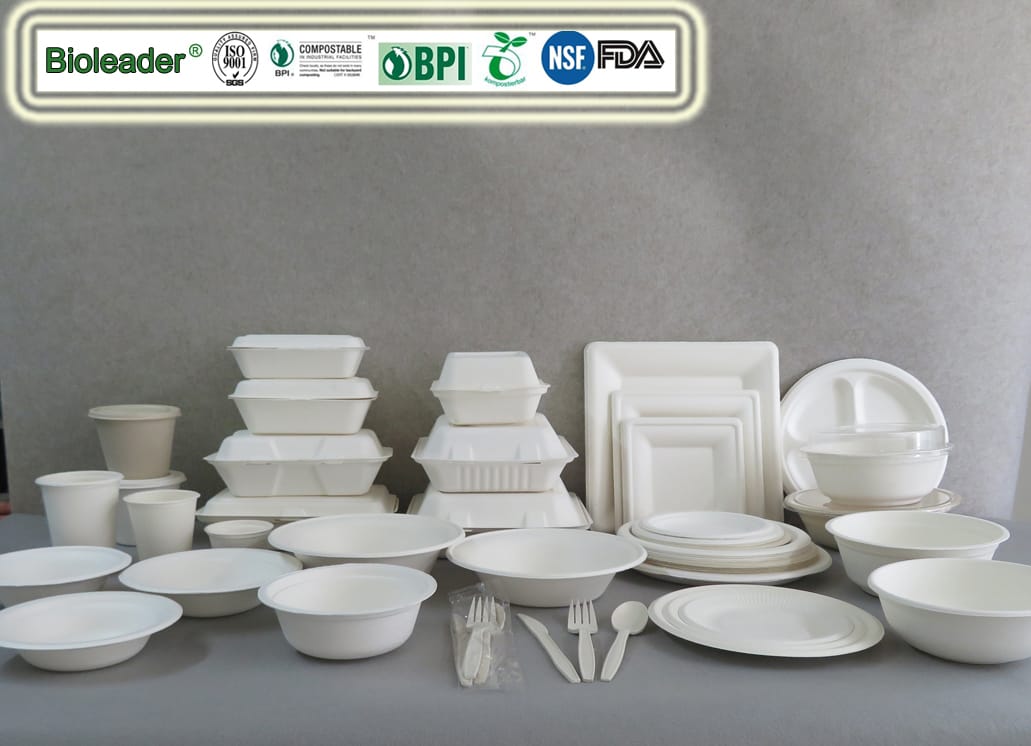
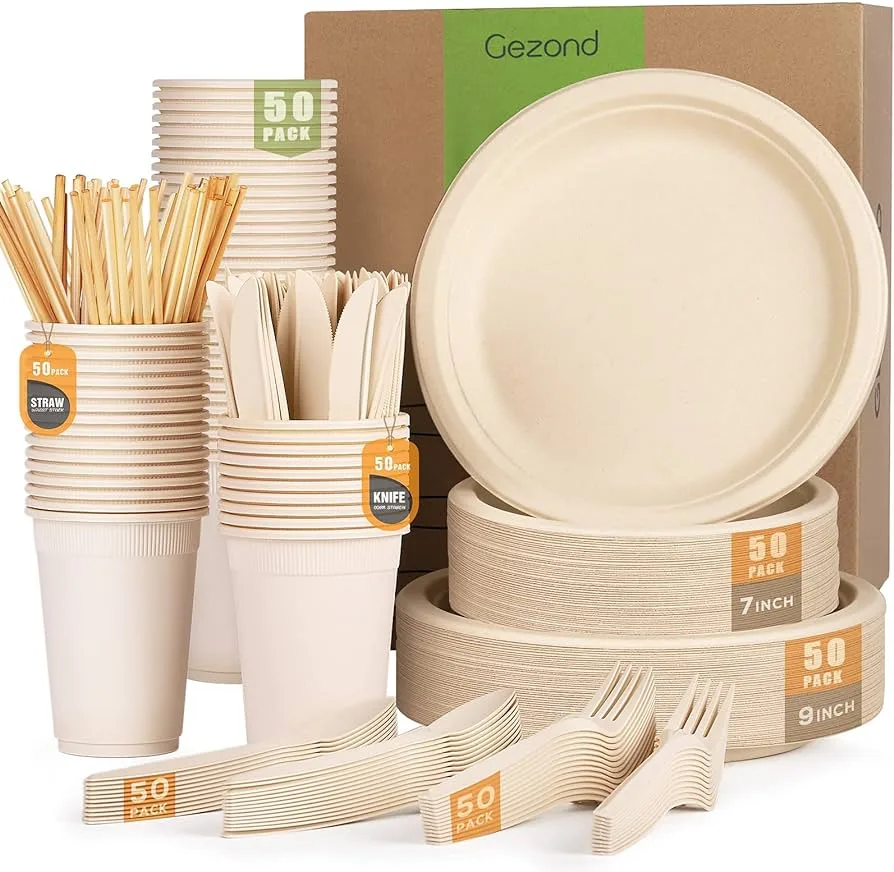
Sintesi rapida: che cos'è il greenwashing?
Il greenwashing è la pratica di far apparire un'azienda, un prodotto, un servizio o un'affermazione ambientale più sostenibili di quanto le prove disponibili supportino.
Può comportare termini vaghi come “green” o “ecologico”, divulgazione selettiva, immagini fuorvianti, affermazioni di certificazione non supportate o dichiarazioni esagerate su riciclabilità, biodegradabilità, compostabilità, contenuto di plastica o materiali rinnovabili.
- Il greenwashing riguarda il divario tra impressione e prove. Un'affermazione non deve essere completamente falsa per creare un'impressione ambientale fuorviante.
- A base vegetale non significa automaticamente senza plastica. Polvere di bambù, lolla di riso, amido o altri ingredienti di origine vegetale possono essere riempitivi o materie prime all'interno di un materiale composito.
- La carta non significa automaticamente riciclabile o senza plastica. Rivestimenti, chimica della resistenza a umido, coperchi e infrastrutture di riciclo locali sono tutti fattori rilevanti.
- Compostabile non significa compostabile ovunque. Compostaggio industriale, compostaggio domestico e biodegradazione sono affermazioni diverse.
- La domanda di verifica migliore è: Che cosa esattamente viene affermato, quale parte del prodotto copre l'affermazione e quali prove la supportano?
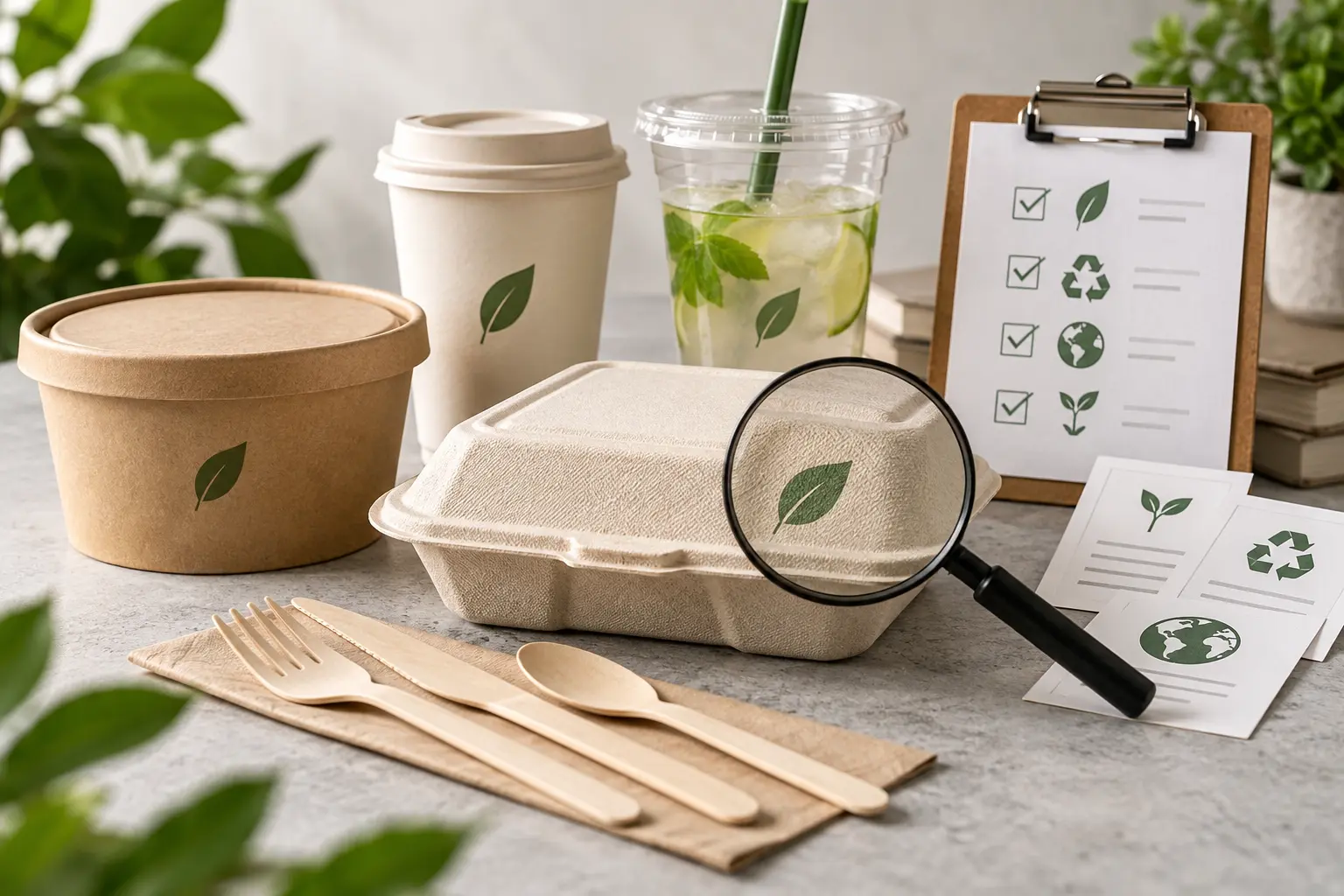
Che cos'è il greenwashing?
Il greenwashing descrive una comunicazione ambientale che fa apparire un prodotto, un'azienda, un servizio o un'attività più vantaggiosi per l'ambiente di quanto i fatti sottostanti supportino ragionevolmente.
In parole semplici, il greenwashing significa far apparire qualcosa più verde di quanto le prove giustifichino.
Il problema può derivare dalle parole usate, dalle informazioni omesse, dalle immagini ambientali, dai loghi in stile certificazione, dai nomi dei prodotti, dai testi del sito web, dal design dell'imballaggio o da affermazioni che si applicano solo a una parte di un prodotto ma sembrano descrivere l'intero prodotto.
Per gli acquirenti di imballaggi alimentari, questa distinzione è particolarmente importante perché un singolo imballaggio può contenere diversi materiali e componenti. Un contenitore di carta può includere un rivestimento barriera, inchiostro da stampa, adesivo e un coperchio separato. Un bicchiere trasparente per bevande fredde può utilizzare un polimero a base biologica ma essere comunque plastica. Un contenitore in fibra modellata può essere prevalentemente fibra vegetale ma richiedere comunque la verifica della sua chimica barriera e della conformità del prodotto finito.
Punto chiave: Il greenwashing non è definito dal fatto che un prodotto utilizzi una parola ambientale. La questione chiave è se l'impressione ambientale creata da quella parola sia proporzionata alle prove che la sostengono.
Definizione di greenwashing in parole semplici
Una definizione operativa utile è:
Il greenwashing è marketing ambientale che comunica un beneficio ambientale più ampio, più forte o più certo di quanto le prove di supporto possano ragionevolmente stabilire.
Ad esempio, affermare che un imballaggio contiene fibra rinnovabile è un'affermazione materiale. Affermare che lo stesso imballaggio è “100% sostenibile” è una conclusione ambientale molto più ampia.
La prima affermazione può spesso essere verificata attraverso i dati di composizione. La seconda richiederebbe una valutazione molto più ampia di materiali, produzione, uso, trasporto e impatti di fine vita.
Greenwash, greenwashing e greenwashed: che cosa significano?
“Greenwash” può essere usato come sostantivo o verbo per riferirsi a una comunicazione ambientale fuorviante. “Greenwashing” normalmente descrive la pratica stessa. Un prodotto o un marchio “greenwashed” è uno presentato in modo da creare un'impressione ambientale più forte dei fatti che lo supportano.
Questi termini descrivono tutti lo stesso problema fondamentale: la comunicazione ambientale è andata oltre la prova ambientale.
Perché le aziende fanno greenwashing?
Le imprese affrontano una pressione crescente da parte di consumatori, rivenditori, catene di ristorazione, autorità di regolamentazione, investitori e team di approvvigionamento per dimostrare progressi ambientali.
Questa pressione può creare miglioramenti legittimi nel design degli imballaggi, ma può anche creare incentivi a semplificare informazioni complesse sui materiali in un linguaggio di marketing più forte.
Una parte del greenwashing può essere deliberata. In altri casi, il problema si sviluppa gradualmente. Un fornitore fornisce un certificato per un materiale, un reparto marketing lo applica a un'intera famiglia di prodotti, un distributore accorcia ulteriormente la formulazione e alla fine una specifica proprietà tecnica diventa uno slogan di sostenibilità generico.
Le cause comuni includono:
- la pressione a differenziare i prodotti in un mercato affollato degli imballaggi sostenibili;
- l'uso di terminologia ambientale prima che le prove siano state esaminate;
- la confusione tra prove a livello di materiale e prove sul prodotto finito;
- presumere che un certificato supporti diverse affermazioni non correlate;
- ignorare componenti come rivestimenti, coperchi, adesivi o additivi;
- non tenere conto delle infrastrutture di riciclo o compostaggio del mercato di destinazione;
- semplificare eccessivamente le informazioni tecniche per la grafica dell'imballaggio o la pubblicità.
Ciò è particolarmente rilevante per imballaggi in carta per alimenti, dove il substrato di carta visibile può rappresentare la maggior parte dell'imballaggio in peso, mentre uno strato barriera o un coperchio molto più piccoli possono comunque incidere materialmente sulle affermazioni di riciclabilità, compostabilità o contenuto di plastica.
Che cos'è il greenwashing nel business e nel marketing?
Il greenwashing nel business si verifica quando la sostenibilità diventa parte del posizionamento commerciale senza adeguata qualificazione, contesto o prove.
Può comparire in descrizioni di prodotti, grafica di imballaggi, schede di rivenditori, presentazioni di vendita, documenti di gara, rapporti di sostenibilità, social media, etichette ambientali e siti web aziendali.
Il greenwashing nel marketing non richiede un'affermazione palesemente falsa. Un'affermazione tecnicamente vera può comunque creare un'impressione complessiva fuorviante se importanti limitazioni sono nascoste.
Ad esempio, un imballaggio può contenere realmente materiale riciclato, ma presentare l'intero imballaggio come “realizzato con materiale riciclato” può essere fuorviante se il contenuto riciclato esiste solo in un piccolo componente.
The same principle applies to food packaging claims such as:
| Affermazione | What the Buyer Needs to Verify |
|---|---|
| Ecologico | Which measurable environmental attribute supports the claim? |
| Senza plastica | Does the claim cover the substrate, coating, lid and complete finished package? |
| Biodegradabile | Under which conditions, test method and timeframe? |
| Compostabile | Industrial composting, home composting or another defined environment? |
| Riciclabile | Is the structure technically recyclable, locally collected and accepted by processors? |
| A base vegetale | Is the plant material the structural material, a polymer feedstock or only a filler? |
| PFAS-free | What formulation declaration, testing approach and product scope support the statement? |
| Sostenibile | Sustainable compared with what, across which lifecycle stages and using which criteria? |
7 Common Types of Greenwashing
1. Vague Environmental Claims
Words such as “green,” “eco-friendly,” “environmentally friendly,” “natural,” “responsible” and “sustainable” can communicate a broad environmental benefit without explaining what has actually improved.
A more defensible claim identifies a specific characteristic. “Contains 80% recovered fiber,” for example, is more measurable than simply saying “green packaging.”
2. Claims Without Adequate Evidence
A technically specific statement can still be weak if there is no evidence behind it. Examples include claiming home compostability without appropriate product-level support or making a chemical-content statement without defining what has been tested or declared.
3. Hidden Trade-Offs
A company may highlight one genuine environmental benefit while leaving out another characteristic that changes the overall interpretation.
A package may use renewable fiber while also requiring a polymer barrier. A cup may use a bio-based polymer while still requiring industrial composting. One genuine attribute should not automatically become a claim about the whole lifecycle.
4. Misleading Green Imagery
Leaves, forests, soil, green color schemes, recycling arrows and kraft-paper appearance can create an environmental impression before any technical statement is read.
Such imagery is not inherently misleading, but it becomes risky when the visual message is broader than the evidence.
5. Misuse of Certifications and Labels
A certificate may be genuine but used outside its intended scope. Common problems include applying a raw-material certificate to a finished article, using industrial compostability evidence to imply home compostability, or presenting one certified SKU as proof for an entire product range.
Certification reduces uncertainty only when the product, standard, certificate scope and environmental claim actually match.
6. Irrelevant Environmental Claims
A technically true statement can still mislead if it promotes the absence of a substance that would not normally be present, or highlights a minor environmental feature as though it defines the entire product.
7. Exaggerated End-of-Life Claims
Recyclable, biodegradable and compostable describe different processes. They should not be treated as synonyms.
A technically recyclable item may never enter an actual recycling system. An industrially compostable package may not break down in a home compost pile. A biodegradable material may require defined temperature, moisture, microbial activity and time.
Greenwashing Examples in Sustainable Food Packaging
Foodservice packaging is particularly susceptible to greenwashing because several environmental characteristics are often compressed into one short marketing message.
A takeaway package may include a substrate, barrier layer, ink, adhesive, lid, seal, label and food-contact treatment. Changing one element does not automatically change the environmental profile of the complete packaging system.
| Marketing Claim | Why It May Be Misleading | Better Verification Question |
|---|---|---|
| “Eco-friendly cup” | No measurable environmental attribute is defined. | What specific material or lifecycle benefit is being claimed? |
| “Biodegradable container” | Conditions and timeframe are not specified. | According to which test and under what disposal conditions? |
| “Compostable packaging” | Industrial and home composting are different environments. | Which standard, certificate and composting environment apply? |
| “Recyclable paper cup” | Technical recyclability does not prove actual collection and recycling. | Is the complete structure accepted in the destination market? |
| “Plant-based cup” | Plant-derived material can still be a polymer. | What is the finished material composition? |
| “Plastic-free bowl” | A coating or lid may change the scope of the claim. | Does the statement cover the bowl body, barrier and lid? |
| “Bamboo tableware” | Bamboo may be only a filler in a synthetic resin matrix. | What material actually forms the structure of the finished article? |
When “Plant-Based” Tableware Is Not What It Appears to Be
One of the clearest examples of environmental marketing risk occurs when the name of a plant material becomes the identity of the entire product.
Terms such as “bamboo tableware,” “bamboo fiber plate,” “rice husk tableware,” “plant-fiber dinnerware” and “natural tableware” can create the impression that the finished article consists mainly or entirely of natural plant material.
That is not always the case.
Some rigid reusable products marketed with bamboo or other ground plant materials have been manufactured as plastic composite articles in which the plant material functions as a filler.
Distinzione importante: Bamboo, rice husk and other agricultural residues are not inherently “toxic.” The concern is the complete food-contact material system. A plant powder may be combined with a synthetic resin, and the finished article must be evaluated according to its actual formulation, authorization status, intended use and migration performance.
Bamboo Fiber Tableware: A Documented Greenwashing Example
The European Commission has taken enforcement action against plastic food-contact articles containing bamboo and other unauthorized plant-based additives. These products were frequently marketed as “natural,” “eco-friendly,” “compostable” or “recyclable,” even though the structural material was plastic and the bamboo was used as a filler.
The German Federal Institute for Risk Assessment also distinguishes genuine bamboo products from so-called “bamboo ware” made from melamine-formaldehyde resin with bamboo fibers or powder as filler.
This distinction matters for two reasons.
First, adding bamboo powder does not transform a non-biodegradable synthetic resin into a biodegradable natural material.
Second, food-contact safety depends on the finished composite. Authorities have documented cases in which melamine and formaldehyde migrated from certain plastic composite products into food, particularly under demanding use conditions.
The correct conclusion is not “bamboo is toxic.” The correct conclusion is that a natural-sounding ingredient cannot be used as a substitute for disclosure of the complete material composition.
Rice Husk Tableware Requires the Same Verification
Rice husk is another agricultural residue commonly associated with natural-looking tableware. The European Commission’s enforcement work also identified rice husks among plant-based additives found in problematic plastic food-contact articles.
Again, the presence of rice husk does not tell a buyer what the finished product actually is.
A procurement team should ask:
- What percentage of the finished article is plant material?
- What resin, binder or polymer holds the structure together?
- Is the plant material structural fiber or only a filler?
- What food-contact rules apply in the destination market?
- What migration testing supports the intended temperature and food type?
- What evidence supports biodegradable or compostable claims?
| Product Name or Marketing Impression | What Must Actually Be Verified |
|---|---|
| Bamboo tableware | Bamboo content plus the complete resin or binder system. |
| Rice husk tableware | Rice husk content plus the complete polymer matrix. |
| Plant-fiber tableware | Whether fiber forms the structure or functions only as a filler. |
| Natural tableware | Full finished-product composition and applicable food-contact evidence. |
| Senza plastica | Whether synthetic polymer, resin, coating or other plastic component remains. |
| Compostabile | Finished-product standard, test scope, certificate and composting environment. |
Why Molded Sugarcane Fiber Is a Different Material System
The bamboo-composite example should not be used to conclude that all products containing agricultural residues are equivalent.
In molded-fiber manufacturing, plant fiber can form the primary structural body of the finished article. Bioleader®’s stoviglie monouso in bagassa di canna da zucchero, for example, is produced from pulped sugarcane fiber that is formed into plates, bowls, trays and takeaway containers.
That is materially different from adding plant powder to a synthetic resin and naming the finished plastic composite after the filler.
However, molded fiber still requires verification. Buyers should review fiber composition, barrier chemistry, water and oil resistance, food-contact documentation, PFAS-related information, compostability evidence where claimed, and any separate lids or accessories.
For commercial takeaway applications, the same approach should be applied when evaluating contenitori alimentari in bagassa: the material name is the starting point, not the end of the supplier audit.
Manufacturer Insight: The Finished Construction Matters More Than the Marketing Name
From a manufacturing perspective, a product name such as “paper,” “bamboo,” “bagasse,” “cornstarch” or “plant-based” is not enough to determine the finished article’s environmental profile. The useful specification is the complete construction: structural material, additives, barrier system, lid, printing, intended temperature, food-contact conditions and applicable end-of-life evidence.
Paper Packaging Is Not Automatically Plastic-Free
Paper has a natural visual identity, which can encourage buyers to assume that paper food packaging contains no polymer barrier.
That assumption is often incorrect.
Foodservice cups and bowls normally require resistance to water, oil, beverages or hot foods. Depending on the structure, this can involve PE, PLA, aqueous barrier technology or other coating systems.
Therefore, the statements “paper-based,” “plastic-free,” “recyclable” and “compostable” are not interchangeable.
A paper product should not inherit all four claims simply because its main substrate is paper.
Water-Based Coated Paper Cups: Why Claim Scope Matters
Water-based or aqueous barrier technology is a useful example of why a material description should not automatically become an environmental conclusion.
Bioleader® fornisce bicchieri di carta con rivestimento a base d’acqua as an alternative barrier configuration for buyers comparing conventional PE-laminated, PLA-coated and aqueous-coated cup structures.
The important technical point is that “water-based” describes how the barrier system is formulated or applied; it does not, by itself, prove every downstream environmental claim.
Buyers should still confirm the coating chemistry, coating weight, finished-cup structure, applicable food-contact evidence, certification scope and destination-market requirements.
Bioleader® discusses those variables separately in its technical guide to per bicchieri e ciotole.
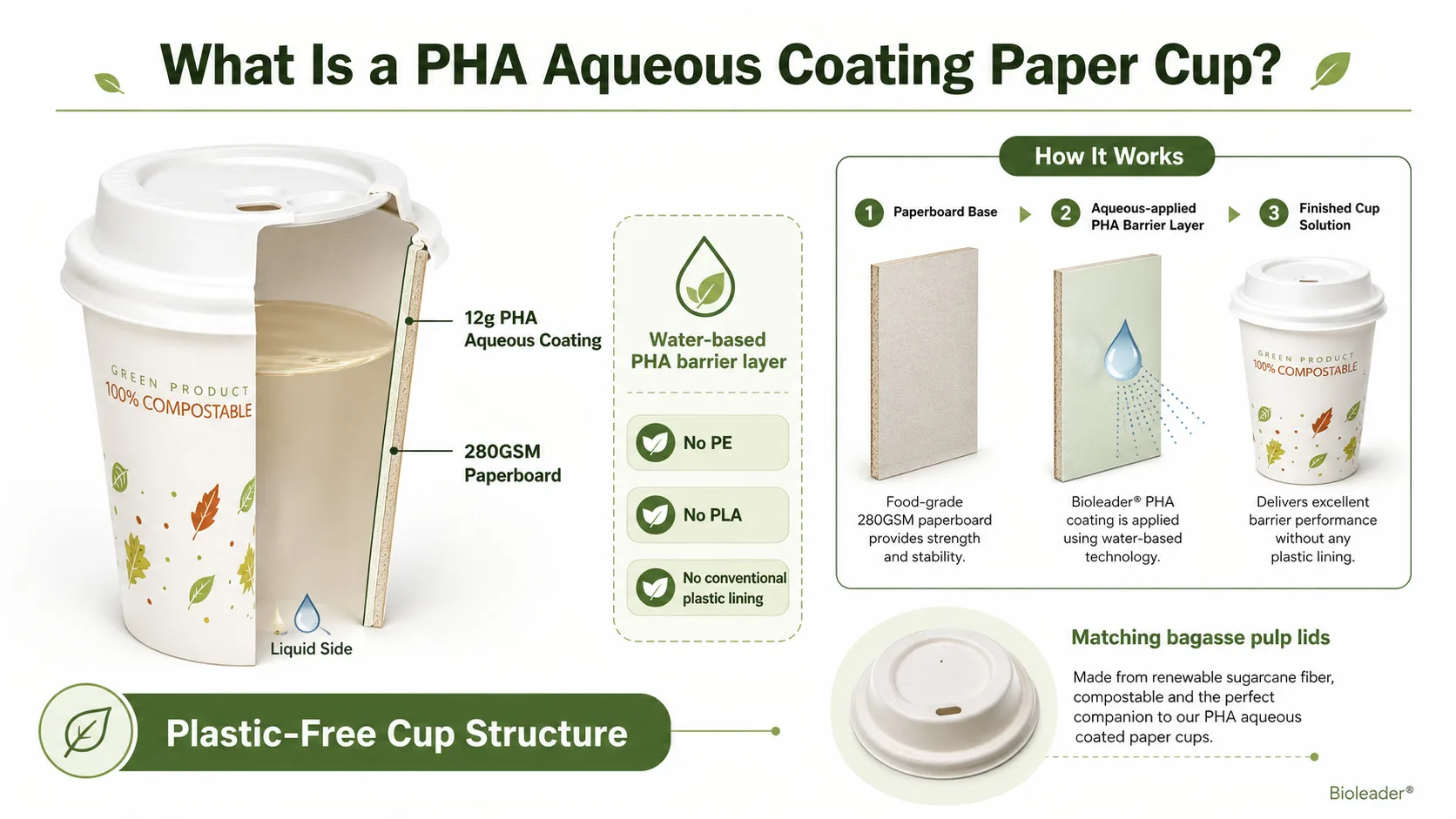
Better claim logic: “This cup uses a specified aqueous barrier structure” is a construction statement. “This cup is completely environmentally friendly” is a much broader lifecycle claim and requires substantially more evidence.
Water-Based Paper Bowls Show Why the Lid Must Be Included
The same problem becomes even clearer with takeaway bowls.
di Bioleader® ciotole di carta con rivestimento a base acqua e coperchi can be supplied with different bowl and lid configurations.
This means a statement about the bowl body may not automatically describe the complete package.
A fiber-based or aqueous-coated bowl could be combined with a kraft paper lid, PET lid, PP lid or another closure depending on the food application. Each configuration changes the appropriate environmental claim.
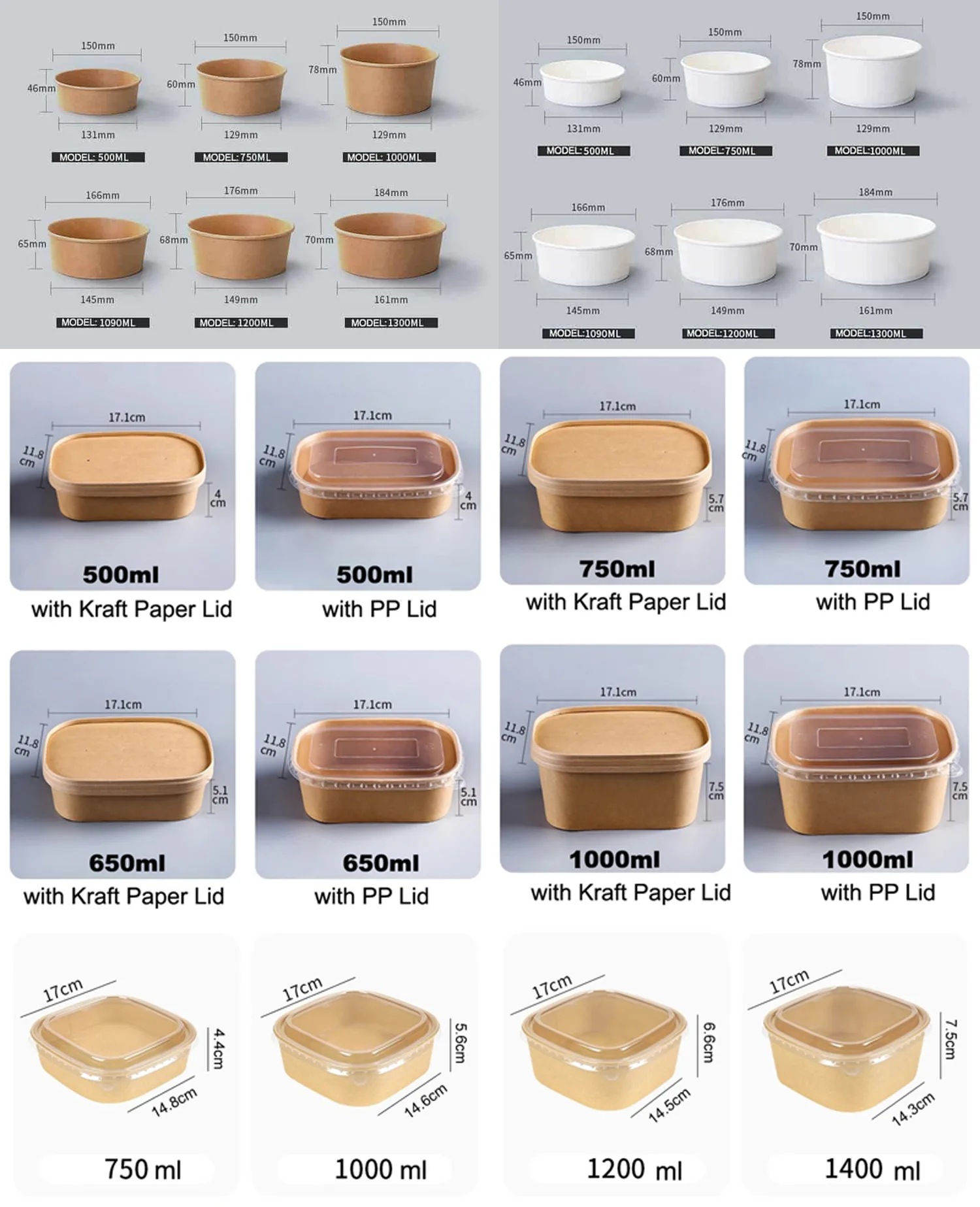
For private-label buyers, this is particularly important because the bowl and lid are normally marketed as one takeaway package.
A product-system claim must therefore be checked at product-system level.
Plant-Based Plastic Is Still Plastic
Another common source of confusion is the assumption that “plant-based” means “plastic-free.”
Non è così.
PLA, for example, is a polymer that can be produced from renewable biological feedstocks. Bioleader®’s bicchieri compostabili PLA are intended primarily for cold beverages and relevant industrial-composting pathways where suitable systems exist.
The accurate environmental story is therefore not simply “made from plants.” Buyers need to distinguish among:
- renewable feedstock;
- finished polymer identity;
- industrial compostability;
- home compostability;
- recyclability;
- plastic classification under applicable regulation;
- and local collection or composting infrastructure.
Likewise, plant-derived or compostable materials used in posate biodegradabili e compostabili should be evaluated according to the actual compound, finished-product certification, temperature performance and destination-market rules rather than the presence of a plant-derived ingredient alone.
Plant-derived ≠ plastic-free. Bio-based ≠ biodegradable. Biodegradable ≠ certified compostable. Certified industrially compostable ≠ home compostable.
Cornstarch Tableware Is Also a Formulation Question
“Cornstarch tableware” is another category where the product name can create a stronger material impression than the technical specification supports.
Commerciale stoviglie in amido di mais should be treated as a formulation-sensitive product category rather than assuming that the finished article consists only of starch.
For procurement purposes, buyers should ask what polymer or carrier system is used, how much starch is present, what temperature range applies, whether the finished SKU has relevant food-contact documentation, and whether any compostability claim applies to the exact formulation being purchased.
The principle is the same as with bamboo powder or rice husk:
A highlighted agricultural ingredient does not define the complete finished material.
Compostable Packaging Can Still Be Greenwashed
Compostability is one of the most commonly oversimplified environmental claims.
An industrially compostable product is not automatically home compostable. A compostable cup body does not make a conventional lid compostable. A certified raw material does not automatically prove that every finished article manufactured from that material carries the same certification status.
Even correctly certified compostable packaging still requires an appropriate end-of-life pathway if composting is expected to provide the intended environmental benefit.
The useful procurement question is therefore:
Which finished product, according to which standard, under which composting conditions, with which included components?
For a deeper supplier-verification framework, see Bioleader®’s guide to verifying truly compostable food packaging.
Recyclable Does Not Mean Recycled in Practice
Recyclability presents a similar problem.
A package may be technically capable of being recycled while actual recycling depends on collection, sorting, processor acceptance, contamination, recovered-material quality and the existence of a viable end market.
This distinction is particularly important for coated paper packaging, paper cups, PET or PP lids and multimaterial foodservice formats.
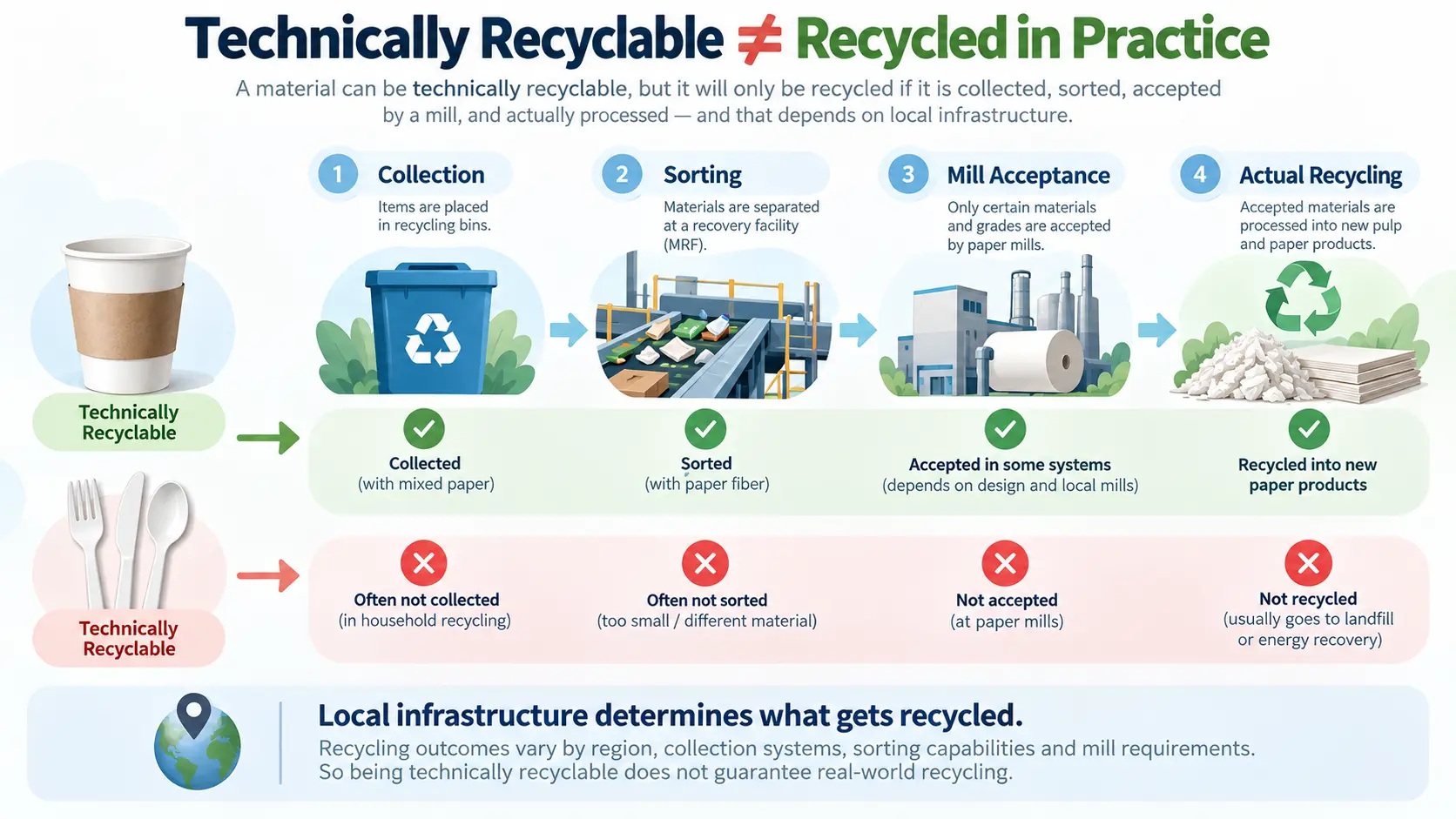
Bioleader® examines this issue separately in Perché “tecnicamente riciclabile” non è la stessa cosa di “riciclato nella pratica”.
The practical lesson is simple: recyclability is not only a material property; it is also a system outcome.
How to Spot Greenwashing
The fastest way to test an environmental claim is to replace the marketing word with a verification question.
Greenwashing Verification Checklist
- Define the claim: What does “eco-friendly,” “natural,” “green,” “biodegradable” or “recyclable” actually mean in this case?
- Definire il prodotto: Does the claim apply to the raw material, coating, finished container, lid or complete packaging system?
- Check the composition: What materials, binders, coatings, polymers, additives and accessories are present?
- Check the evidence: Is there an applicable certificate, test report, declaration, technical data sheet or recognized methodology?
- Check the scope: Does the evidence refer to the exact SKU and formulation being purchased?
- Check the conditions: What temperature, food type, composting environment or recycling system is required?
- Check the destination market: Is the wording appropriate under local law and local waste-management conditions?
- Check excluded components: Does the environmental claim also apply to the lid, coating, straw, label and secondary components?
A supplier that can explain the limitations of a claim is often more useful to a professional buyer than one that simply repeats the strongest possible sustainability terminology.
Certifications Help, but One Certificate Does Not Prove Everything
Third-party certification and laboratory testing can substantially improve the credibility of environmental claims, but each document answers a specific question.
| Tipo di evidenza | What It May Support | Cosa non dimostra automaticamente |
|---|---|---|
| Rapporto di prova per contatto alimentare | Compliance with specified food-contact test conditions. | Compostability, recyclability or overall sustainability. |
| Industrial compostability certificate | Compliance with the relevant industrial composting certification scope. | Home compostability or universal access to composting infrastructure. |
| Home compostability certificate | Defined home-composting performance within the certificate scope. | Every SKU made from a similar raw material. |
| PFAS declaration or test | Information about PFAS formulation or measured fluorine-related criteria according to the document. | Compostability or recyclability. |
| Quality-management certification | Management and process-control systems. | An environmental performance claim for every finished product. |
The strongest documentation chain is:
claim → product → component → test or standard → document → destination market.
Bioleader® mantiene una risorsa dedicata certificate and test report resource for buyers reviewing available product and compliance documentation. Buyers should still verify the applicable certificate scope for the exact SKU being sourced.
Are There Laws Against Greenwashing?
Yes. Environmental marketing is increasingly subject to consumer-protection and claim-specific requirements, although the legal framework differs by market.
Stati Uniti
The U.S. Federal Trade Commission’s Green Guides advise marketers not to make broad, unqualified general environmental benefit claims such as “green” or “eco-friendly.” Environmental qualifications should be clear, specific and supported by appropriate evidence.
Regno Unito
The UK Competition and Markets Authority’s Green Claims Code emphasizes that environmental claims should be truthful and accurate, clear and unambiguous, should not omit important information, should make fair comparisons, should consider relevant lifecycle impacts and should be substantiated.
Unione Europea
Directive (EU) 2024/825 strengthens EU consumer protection against misleading environmental claims. Member States were required to apply their transposing measures from 27 settembre 2026.
The Directive specifically addresses generic environmental claims and gives examples including terms such as “environmentally friendly,” “eco-friendly,” “green,” “biodegradable” and “biobased” when they create an unsupported impression of excellent environmental performance.
Bioleader® covers the European framework separately in its detailed guide to EU Greenwashing Rules 2026 for food packaging claims.
Nota di conformità: Environmental terminology that is acceptable in one market should not automatically be copied into another. B2B buyers should review the destination country’s consumer-protection rules, food-contact requirements, packaging regulations and accepted end-of-life terminology before approving artwork or marketing claims.
How Businesses Can Avoid Greenwashing
Avoiding greenwashing does not require businesses to stop communicating environmental improvements. It requires them to communicate more precisely.
A strong environmental claim is normally:
- Specific: it identifies the environmental characteristic being discussed.
- Scoped: it states which material, component, SKU or lifecycle stage is covered.
- Supported: appropriate technical evidence exists.
- Qualified: important limitations and conditions are not hidden.
- Consistent: websites, packaging artwork, distributor listings and sales documentation use the same claim boundaries.
Compare the following:
| High-Risk Wording | More Defensible Approach |
|---|---|
| 100% eco-friendly packaging | Identify the specific material attribute and supporting evidence. |
| Completely plastic-free | Define whether the statement covers the container, coating, lid and accessories. |
| Fully biodegradable | State the applicable test conditions, standard and product scope. |
| riciclabili al 100% | Identify the relevant recycling pathway and market limitations. |
| Made from bamboo | Disclose whether bamboo is structural material or a filler in another matrix. |
How Packaging Buyers Can Avoid Greenwashing
The best packaging decision rarely begins with an environmental slogan. It begins with the application.
Procurement teams should first define:
- food or beverage type;
- hot or cold serving temperature;
- oil, water and moisture exposure;
- storage and takeaway duration;
- microwave, refrigerator or freezer requirements;
- required lid or closure;
- destination country;
- intended recycling or composting route;
- required food-contact and environmental documentation;
- the exact environmental claims that will appear on packaging or marketing materials.
Only after the application is defined should materials be compared.
| Tipo di imballaggio | Useful Buyer Question | Common Claim Risk |
|---|---|---|
| Bagassa di canna da zucchero | What is the finished fiber formulation and barrier system? | Assuming plant fiber alone proves every sustainability claim. |
| Paper cup or bowl | Which barrier coating and lid are included? | Assuming “paper” means plastic-free, recyclable or compostable. |
| Carta con rivestimento acquoso | What is the actual coating chemistry and product-level evidence? | Assuming “water-based” automatically means plastic-free. |
| Tazza fredda in PLA | Which compostability route and destination-market rules apply? | Confusing bio-based with plastic-free or home compostable. |
| Stoviglie monouso in amido di mais | What is the full formulation? | Assuming the finished article consists entirely of starch. |
| Bamboo or rice-husk composite | What is the structural resin or binder? | Marketing the plant filler as though it defines the complete product. |
Sample Evaluation Before Bulk Purchasing
For B2B sourcing, sustainability claims should be checked together with physical performance. A sample evaluation can include hot-water or hot-food testing, oil resistance, leakage, lid fit, stacking strength, microwave suitability where applicable, coating integrity and comparison with the supplier’s technical documents.
Environmental credibility is stronger when the physical sample, specification sheet, test report, certificate scope and commercial claim all describe the same product.
A Manufacturer’s View: Better Sustainability Claims Are Usually More Specific
Packaging manufacturing involves trade-offs that are often invisible in a marketing slogan.
Different foods require different barriers. Different temperatures require different material structures. Different lids can change the environmental profile of the same bowl. Printing, coatings, wet-strength requirements, storage conditions and destination-market regulations can all affect the finished specification.
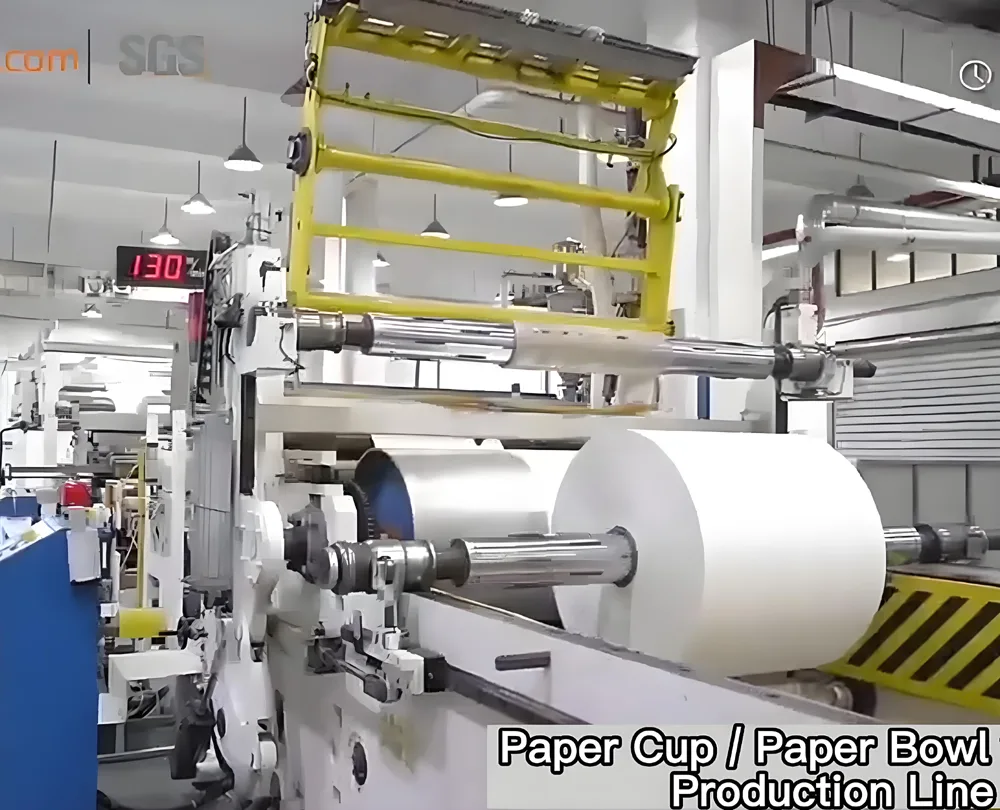
Bioleader® Approfondimento del produttore
As a manufacturer supplying multiple foodservice packaging material systems, Bioleader® does not treat a bagasse clamshell, aqueous-coated paper cup, paper bowl, PLA cold cup, cornstarch product and compostable cutlery set as though they should all carry the same environmental message.
The stronger approach is to define the product structure first, then match the environmental claim to the relevant test, certificate, declaration, destination market and actual disposal pathway.
From Environmental Slogan to Evidence Chain
For procurement teams, one practical way to reduce greenwashing risk is to convert every environmental statement into an evidence chain.
| Fase | Domanda dell'acquirente |
|---|---|
| 1. Claim | What exactly is being claimed? |
| 2. Scope | Which component or finished SKU does the claim cover? |
| 3. Composition | What materials and additives are actually present? |
| 4. Evidence | Which report, certificate, declaration or technical specification supports it? |
| 5. Conditions | Under which use or end-of-life conditions is the statement valid? |
| 6. Market | Is the terminology appropriate in the destination country? |
| 7. Communication | Does the website, label and sales material stay within the evidence boundary? |
The strongest sustainability claim is often not the most dramatic claim. It is the claim that remains accurate after a buyer asks for the specification, certificate, test scope and destination-market explanation.
How Bioleader® Supports Claim-Ready Food Packaging Sourcing
Bioleader® manufactures and supplies foodservice packaging across molded sugarcane fiber, paper packaging, aqueous-coated paper formats, PLA cups, cornstarch-based products and compostable cutlery.
For international B2B buyers, the sourcing process can include product specifications, material information, samples, available food-contact documentation, compostability documentation where applicable, coating options, lid matching, custom printing and export support.
The objective is not to apply one universal “eco-friendly” claim to every material. The objective is to help buyers select a packaging structure whose performance, documentation and environmental communication are appropriate for the actual application and destination market.
Conclusion: Specific Environmental Facts Are Stronger Than Green Promises
Greenwashing is not simply the use of the color green, a leaf icon or the word “sustainable.” It is the gap between what an environmental message causes people to believe e what the available evidence can reasonably support.
That gap can result from vague wording, hidden material components, misleading imagery, misuse of certifications, exaggerated end-of-life claims or presenting one genuine environmental attribute as though it defines an entire product.
The bamboo and rice-husk composite examples demonstrate why a natural-sounding ingredient is not enough. Water-based coatings show why a technology name is not an end-of-life conclusion. Paper packaging shows why substrate and coating must be considered together. PLA shows why plant-derived does not mean plastic-free. Recyclability demonstrates why technical capability does not guarantee real-world recovery.
For sustainable food packaging procurement, the practical rule is straightforward:
Define the product. Define the component. Define the claim. Define the conditions. Then match the statement to the evidence.
That is a stronger basis for supplier selection, regulatory review and credible environmental communication than any unsupported green slogan.
Frequently Asked Questions About Greenwashing
Che cos'è il greenwashing?
Il greenwashing è la pratica di far apparire un prodotto, un'azienda, un servizio o un'attività più responsabili dal punto di vista ambientale rispetto a quanto le prove disponibili supportino. Può comportare un linguaggio vago, informazioni selettive, immagini fuorvianti, etichette non supportate o affermazioni esagerate sulla riciclabilità, la biodegradabilità, la compostabilità, il contenuto di plastica o altre caratteristiche ambientali.
Cosa significa greenwashing in parole semplici?
Il greenwashing significa far apparire qualcosa più verde di quanto i fatti giustifichino. L'impressione ambientale comunicata all'acquirente o al consumatore è più ampia o più forte delle prove a sostegno dell'affermazione.
Qual è un esempio di greenwashing?
Un esempio è commercializzare un composito plastico contenente polvere di bambù come se l'articolo finito fosse interamente realizzato in bambù naturale. Altri esempi includono definire un imballaggio “ecologico” senza specificare il beneficio, presentare un imballaggio compostabile industrialmente come compostabile a casa, oppure descrivere un imballaggio come riciclabile senza considerare le effettive condizioni di raccolta e trattamento.
Perché le aziende fanno greenwashing?
Le aziende possono ricorrere al greenwashing a causa della pressione competitiva, della domanda dei consumatori di prodotti sostenibili, di controlli interni deboli sulle dichiarazioni o di una semplificazione eccessiva delle informazioni tecniche. Il greenwashing può essere intenzionale, ma può anche verificarsi quando una proprietà o una certificazione autentica di un materiale viene estesa in modo errato a una dichiarazione di marketing molto più ampia.
Come si può riconoscere il greenwashing negli imballaggi?
Cerca termini ambientali vaghi, informazioni mancanti sui materiali, ambito di certificazione poco chiaro, dichiarazioni non supportate di assenza di plastica o compostabilità, immagini naturalistiche fuorvianti e affermazioni che ignorano rivestimenti, coperchi o altri componenti. Chiedi cosa contiene il prodotto finito, quali prove supportano la dichiarazione e se l'affermazione si applica nel mercato di destinazione.
Le stoviglie monouso in fibra di bambù o lolla di riso sono tossiche?
Bambù e lolla di riso di per sé non dovrebbero essere descritti come intrinsecamente tossici. La preoccupazione riguarda alcuni prodotti compositi per il contatto con gli alimenti in cui la polvere vegetale è combinata con una resina sintetica. Le autorità europee hanno documentato additivi vegetali non autorizzati nei materiali plastici destinati al contatto con gli alimenti e casi che coinvolgono la migrazione di sostanze come melamina e formaldeide. Gli acquirenti dovrebbero valutare la formulazione completa del materiale e la conformità del prodotto finito.
I bicchieri di carta con rivestimento a base d'acqua sono automaticamente senza plastica?
No. “A base acquosa” descrive una tecnologia di rivestimento o un sistema di applicazione; di per sé non determina la classificazione normativa del bicchiere finito. La risposta dipende dalla chimica del rivestimento, dal peso del rivestimento, dalla struttura completa del bicchiere, dalla documentazione di supporto e dalla definizione utilizzata nel mercato di destinazione.
Un prodotto certificato può comunque essere oggetto di greenwashing?
Sì. Un certificato autentico può comunque essere presentato in modo fuorviante se il suo ambito viene esteso oltre ciò che effettivamente copre. Ad esempio, una certificazione di compostabilità industriale non dovrebbe essere utilizzata per lasciare intendere la compostabilità domestica, e un certificato di materia prima non dovrebbe essere automaticamente considerato come certificazione di ogni singolo SKU finito.
Riferimenti e approfondimenti
- Commissione Federale del Commercio degli Stati Uniti — Dichiarazioni ambientali: sintesi delle Green Guides
- U.S. Federal Trade Commission — Green Guides, 16 CFR Part 260
- UK Competition and Markets Authority — Green Claims Code
- Unione Europea — Direttiva (UE) 2024/825 sulla responsabilizzazione dei consumatori per la transizione verde
- European Commission — Bamboo-zling: Enforcement Action on Plastic Food Contact Materials Containing Bamboo and Other Plant Additives
- German Federal Institute for Risk Assessment — Questions and Answers on Melamine-Formaldehyde Resin Tableware and “Bamboo Ware”