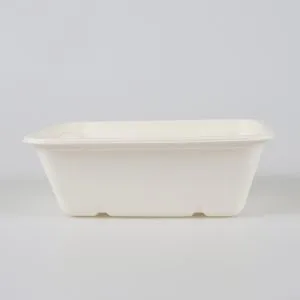
アモイバイオリーダー環境保護技術有限公司 使い捨ての環境に優しい生分解性食器やテイクアウト食品包装の専門メーカーです!
当社の主な製品は次のとおりです:
① サトウキビバガス食器: バガスの食品容器、バガスのクラムシェルボックス、バガスのボウル、バガスの皿、 トレイ、カップ、カップの蓋。
② コーンスターチ食器: コーンスターチのクラムシェル・ボックス、コーンスターチのフード・コンテナー、コーンスターチのプレート、コーンスターチのカップ、そして コーンスターチ・カトラリー;
③ 食品用紙包装: 紙コップ、紙スープボウル、紙サラダボウル、食品用紙箱。
④ 生分解性コンポスタブル・カトラリー: スプーン, フォーク, ナイフ, スポーク, カスタムパック♡ 個包装のカトラリーセット。
エコフレンドリーな使い捨て食品包装ソリューションサービスをワンストップで提供します。
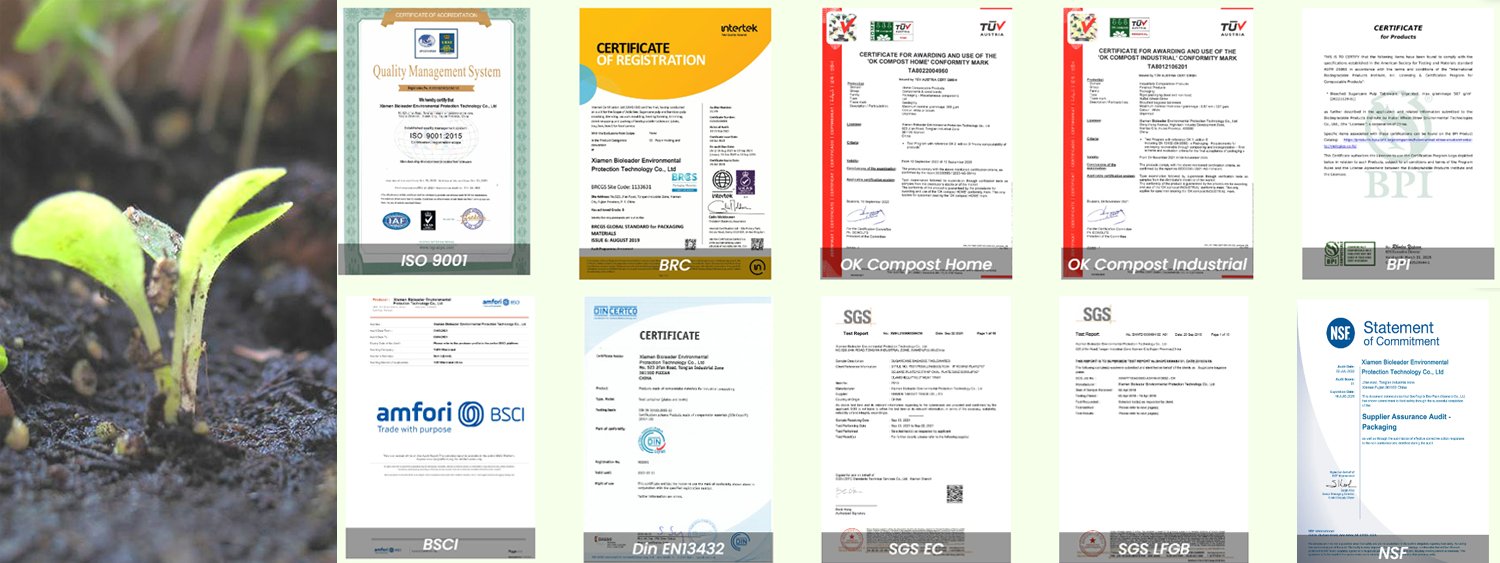
EN13432/ASTM D6400(堆肥化可能性)、BPI/TÜV、LFGB/FDA食品適合性など、第三者機関の報告書を用いて、認証取得をリードし、すべてのSKUを検証しています。ISO主導の工程管理とロットレベルのトレーサビリティは、一貫した性能と国境を越えたコンプライアンスを保証します。
SKU別証明書パック (レポートID、有効性、モデルマッピング)
ロットトレーサビリティ サンプルと全記録を保持
iqc / ipqc / oqc マルチゲート品質チェック
主要指標耐熱・耐油性、耐漏液性試験、積層荷重、短サイクルマイクロ波
カバレッジ:EN13432, ASTM D6400, BPI/OK compost, LFGB, FDA 21 CFR, EU 1935/2004 (該当する場合)
リクエストに応じて: 48時間以内に監査ファイルと最新の証明書。
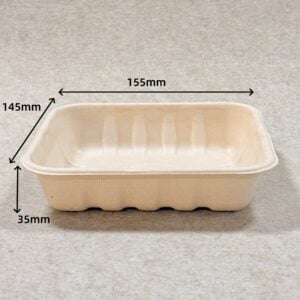
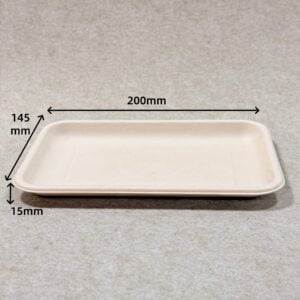
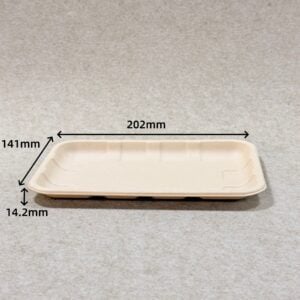
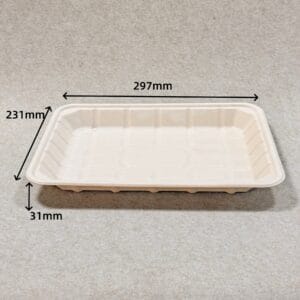
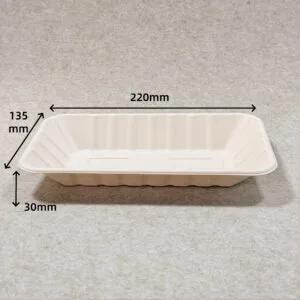
For distributors and importers, the tray fits well into plastic-reduction and sustainable produce packaging projects across different international markets. Fruit Tray Compared with Plastic and Foam Comparison Item Biodegradable Fruit Tray Plastic Tray Foam Tray Raw Material Sugarcane fiber, renewable pulp Petroleum-based plastic Petroleum-based foam Environmental Positioning Biodegradable, plastic-free direction Conventional plastic packaging Weak sustainability image Appearance Natural, matte, premium Glossy, clear or colored Basic and low-cost look Structural Strength Good for fruit and light produce Good depending on material Lightweight but less premium Brand Image Stronger eco-friendly value Standard packaging perception Often outdated in eco-focused markets End-of-Life Story Better aligned with biodegradable messaging Recycling or disposal dependent Mostly landfill-oriented Plastic-free Value Yes No No Cost Level Mid-range Low to mid-range Low Main Advantage Sustainable image and natural shelf appeal Familiarity and transparent options Low cost and light weight Main Limitation Not transparent and not designed for heavy liquid foods Plastic reduction pressure Poor environmental reputation Buying Guide When selecting a biodegradable fruit tray, buyers should evaluate more than size and price. The right tray should match fruit type, product weight, packing method, shelf display needs, and the sustainability objectives of the packaging program. Important buying points include tray dimensions, depth, rigidity, stackability, carton loading efficiency, and whether the tray needs to work with labels, wrapping film, or retail-ready display systems.
環境に優しい使い捨てトレイが好まれる、調理済みのフルーツポーションや軽い生鮮食品の用途に使用できる。.
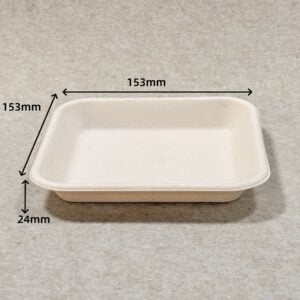
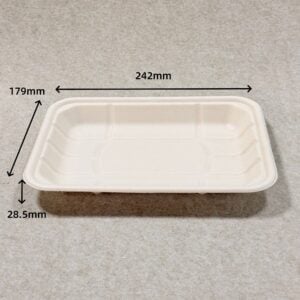
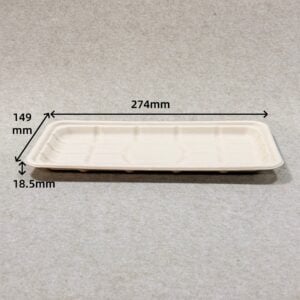
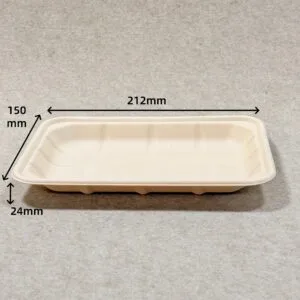
For distributors and food packaging buyers, this tray supports low-plastic packaging strategies and compostable foodservice category expansion. Snacks Tray Compared with Plastic and Foam Comparison Item Compostable Snacks Tray Plastic Tray Foam Tray Raw Material Sugarcane fiber, renewable pulp Petroleum-based plastic Petroleum-based foam Environmental Positioning Compostable, plastic-free direction Conventional plastic packaging Weak sustainability image Appearance Natural, matte, premium Glossy, clear or colored Basic and low-cost look Structural Performance Good for snacks and light foods Good depending on resin and design Lightweight but less premium Brand Value Strong eco-friendly image Standard food packaging perception Often outdated in eco-focused markets End-of-Life Story Better aligned with compostable messaging Recycling or disposal dependent Mostly landfill-oriented Plastic-free Value Yes No No Cost Level Mid-range Low to mid-range Low Main Advantage Sustainable foodservice image and natural presentation Familiarity and transparent options Low cost and light weight Main Limitation Not transparent and not intended for heavy liquid foods Plastic reduction pressure Poor environmental reputation Buying Guide When selecting a compostable snacks tray, buyers should consider more than dimensions and price. The right tray should match product type, foodservice workflow, serving format, and the sustainability direction of the overall packaging program. Important buying factors include tray size, depth, rigidity, stackability, carton loading, and whether the tray needs to work with wraps, labels, or takeaway packaging systems , plastic free tray.
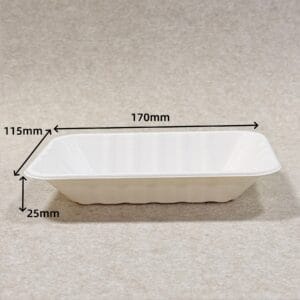
It works well for light fresh food items, produce packs, and retail-ready food packaging that requires a neat and professional display — plastic free tray.
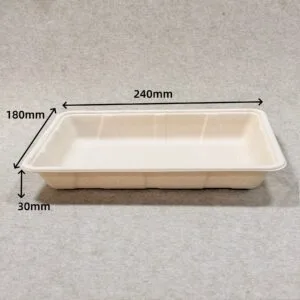
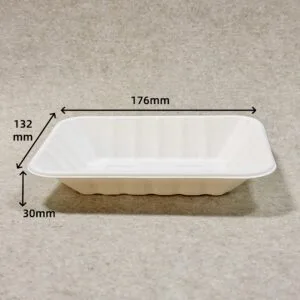
The tray can also be used for selected seafood and other chilled food products that need a plastic-free molded pulp tray format — plastic free tray.
Jゼロ・ウェイスト・パッケージングを目指す世界的な運動に参加する。
バイオリーダー を提供している:
📦 大量注文のサポートと迅速な配達
✍️ カスタムブランディングとOEMソリューション
🌍 世界的なエコ包装への対応
カタログを入手 製品リスト & お問い合わせ👉
Copyright © 2015-2026 厦門生物リーダー環境保護有限公司|無断複写・転載を禁じます。. プライバシーポリシー | AIポリシー | サイトマップ
バイオリーダーパックへようこそ🌿
クイック見積もり、カスタマイズ&サンプル詳細を取得します。私達はあなたの調達の必要性を助けるためにオンラインです!
📩 カタログと価格表が必要ですか?メールでお問い合わせください: [email protected]
6~12時間以内の応答。.
(時差の関係上、不在の場合はメールかメッセージをお願いします)
応答時間< 8h | カタログ一覧
WhatsAppはこちら